8 Gorgeous Cellar Door Ideas That Make a Lasting First Impression
A cellar door is the single most photographed element of any winery visit, yet most homeowners and winery owners treat it as an afterthought. Research consistently shows that first impressions form within seven seconds of seeing an entrance, and a cellar door is no exception [9]. Whether you are designing a residential wine cellar or a full-scale winery tasting room, the door you choose communicates quality, personality, and craftsmanship before a single bottle is opened.
Disclosure: This post contains affiliate links. As an Amazon Associate, we earn from qualifying purchases, and at no extra cost to you.
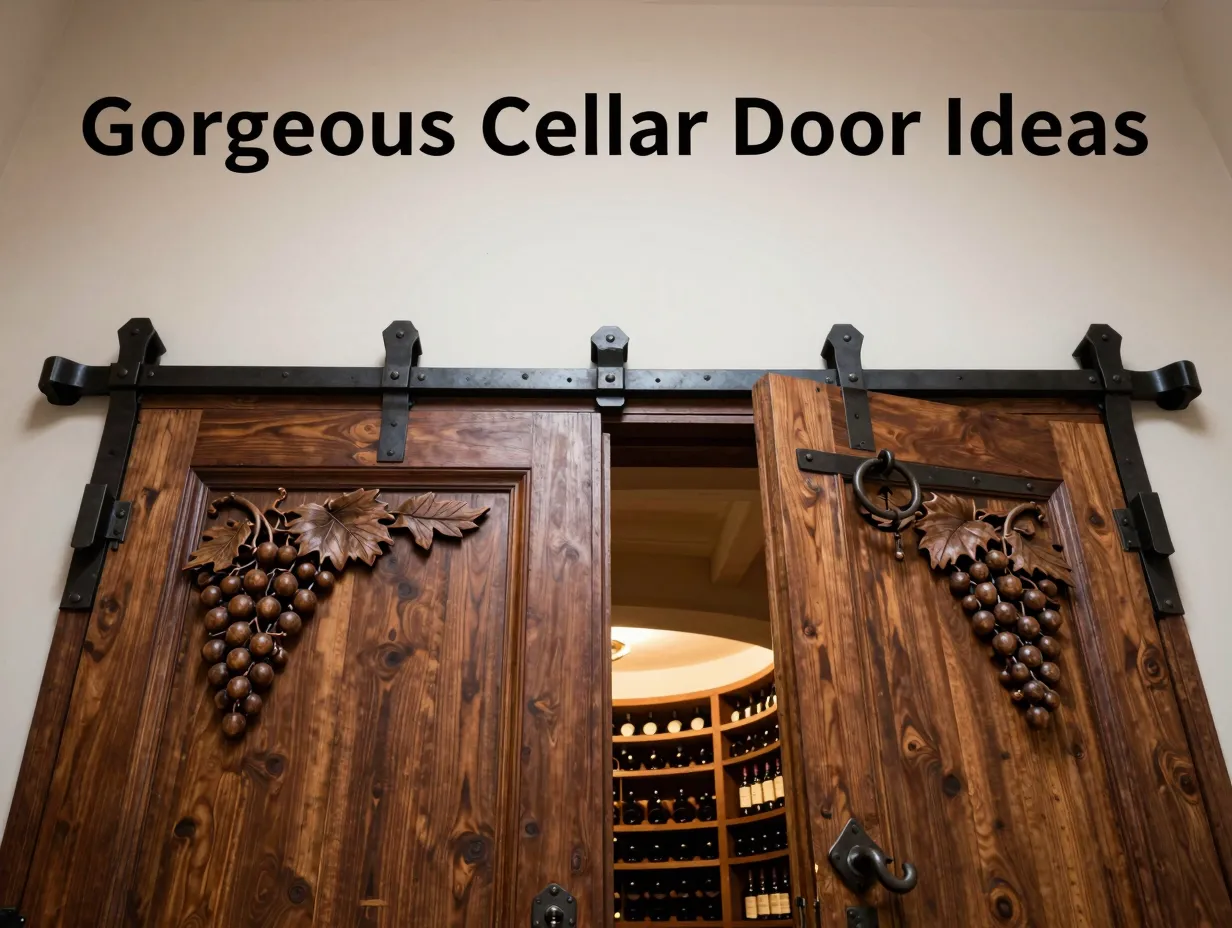
This guide walks through 8 gorgeous cellar door ideas that make a lasting first impression, covering materials, styles, insulation needs, and design philosophy. I have pulled from real-world architectural projects, specialist millwork studios, and winery design experts to give you ideas that are both beautiful and functional.
Key Takeaways
- A well-chosen cellar door communicates your wine collection‘s quality and your personal aesthetic before anyone steps inside.
- Material choice, from solid wood to frameless glass, directly affects both visual impact and climate control performance.
- Insulated metal doors achieve R-values of R-8 to R-10, while insulated wooden doors reach R-4 to R-6, making insulation a critical design factor [2].
- Hand-crafted details such as forged iron, carved panels, and speakeasy grilles elevate a door from functional to iconic.
- The best cellar doors integrate seamlessly with the surrounding architecture, telling a coherent story about the space and the wines within.
Why Your Cellar Door Deserves More Attention Than You Think
Most people spend months selecting wine racks, lighting, and temperature control systems for their cellar, then spend about twenty minutes choosing the door. I have seen this pattern repeatedly when speaking with custom cellar designers. The door is the first thing guests see and the last thing they remember. It frames the entire experience.
First Drop Wines, a boutique Australian producer, puts it plainly: a well-designed cellar door gives context to the wines and the region, making visitors feel like they have stepped into the heartbeat of the winery [3]. That philosophy applies equally to a residential wine cellar in a suburban home. The door is not just a barrier. It is a statement.
Beyond aesthetics, cellar doors serve a critical functional role. Wine requires stable temperature and humidity. A poorly sealed or inadequately insulated door undermines every other climate control measure you have invested in. The best designs balance visual drama with genuine thermal performance.
What to consider before choosing a cellar door:
- The architectural style of the surrounding space
- The size and scale of the opening
- Required insulation values for your climate
- Budget for custom versus semi-custom options
- Hardware and finish compatibility with existing fixtures
8 Gorgeous Cellar Door Ideas That Make a Lasting First Impression
Below are eight distinct styles, each with its own character, material profile, and ideal use case. Whether you prefer old-world grandeur or clean contemporary lines, one of these ideas will resonate.
1. The Hand-Carved Antique-Style Wooden Door
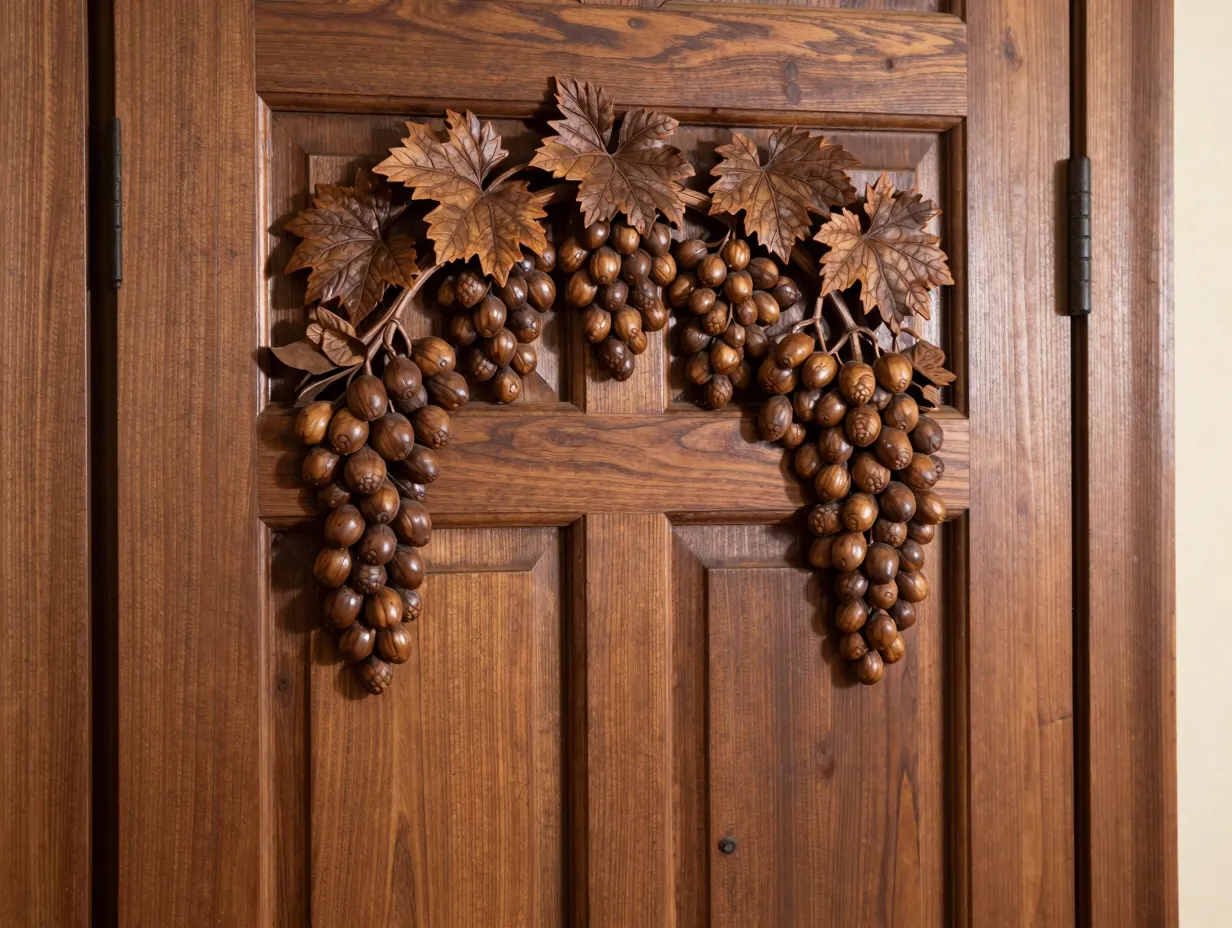
Nothing signals craftsmanship like a door that was shaped entirely by hand. Hand-crafted antique-style doors use traditional joinery and carving techniques to produce pieces that are genuinely one of a kind [1]. I once visited a private cellar in Napa Valley where the owner had commissioned a walnut door with grapevine carvings running from the base panel to the crown. Guests stopped at the threshold every single time, running their fingers along the carved tendrils before even thinking about wine.
These doors are available in a range of wood species, including mahogany, walnut, cherry, and white oak. Each species carries a different color tone and grain pattern, allowing for significant customization. The carving can be as restrained or as elaborate as the space demands.
Best suited for: Traditional wine cellars, Mediterranean-style homes, formal dining room adjacencies.
Key considerations:
- Wood species selection affects both color and long-term durability
- Carved details require periodic refinishing to maintain their depth
- Custom sizing is standard, so unusual opening dimensions are not a problem
2. The Embassy Style with Forged Iron and Glass
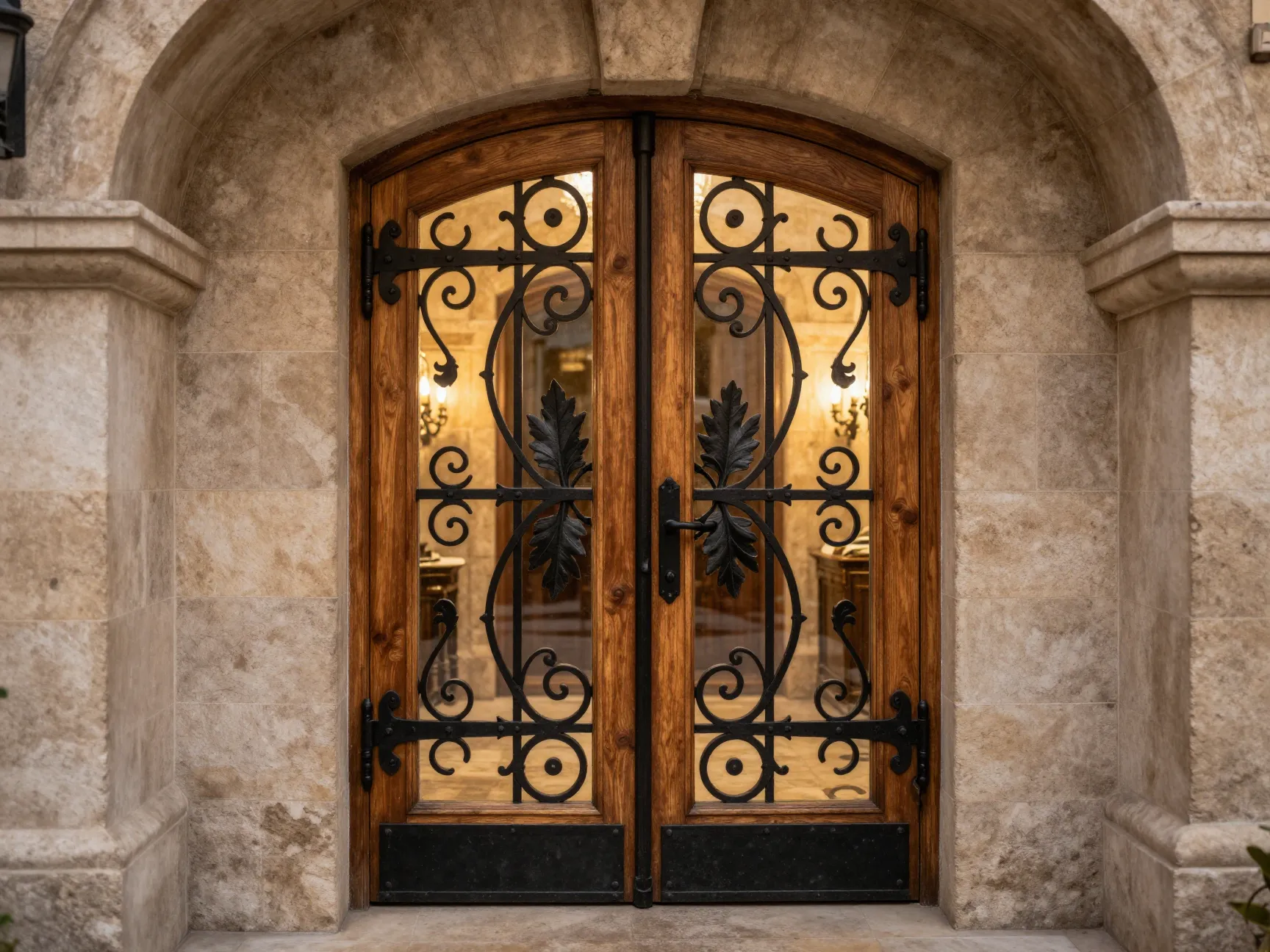
The Embassy style is one of the most recognized cellar door designs in the luxury residential market. It combines hand-carved wood panels with decorative glass inserts and forged iron detailing [1]. The iron work is typically custom fabricated, meaning the scrollwork, leaf patterns, or geometric grilles are unique to each installation.
The glass inserts serve a dual purpose. They allow light to pass through, giving the cellar interior a warm, amber glow when viewed from outside. They also create a visual connection between the entry space and the cellar, building anticipation before the door even opens.
Estate Millwork notes that the combination of iron and glass in cellar door design creates a sense of old-world European elegance that pairs naturally with stone flooring and barrel-vaulted ceilings [8]. If your cellar has any of those architectural features, an Embassy-style door will feel completely at home.
Best suited for: Grand wine cellars, formal tasting rooms, homes with European architectural influences.
3. The Barolo Solid Panel Door
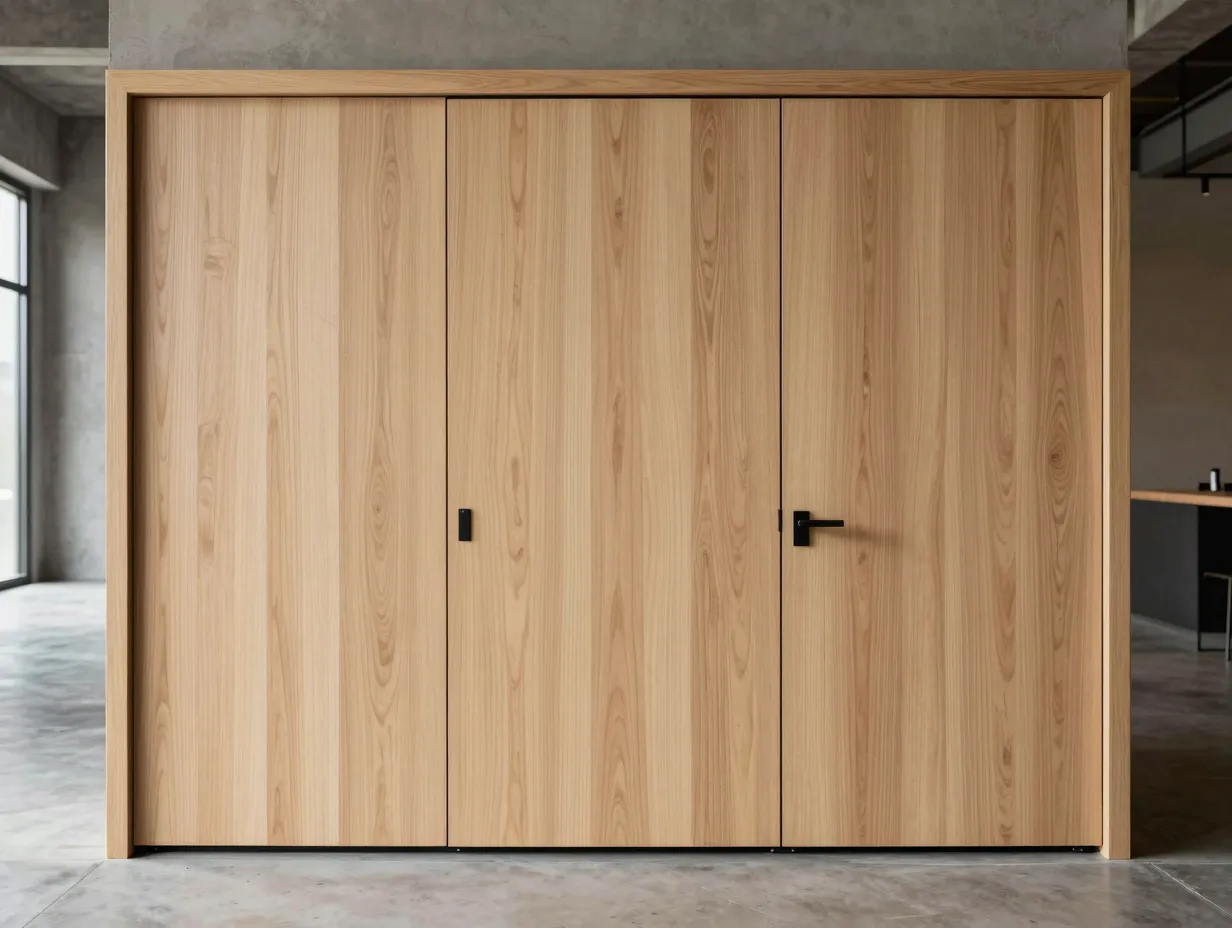
Named after one of Italy’s most celebrated wine regions, the Barolo door is defined by its clean, solid construction. Available in both full solid-wood and full-length glass versions, it prioritizes simplicity and weight [1]. There are no carvings, no iron accents, and no glass inserts in the solid variant. What you get instead is a door that commands attention through sheer presence.
The solid Barolo works particularly well in contemporary settings where the design language is minimal. A thick slab of quarter-sawn white oak, finished in a matte natural oil, can be just as striking as an ornately carved mahogany door. The difference is in the philosophy: restraint versus ornament.
The full-length glass version of the Barolo is discussed in more detail under the glass door section below, but it is worth noting here that the same clean framing applies. The glass variant simply replaces the wood panel with a floor-to-ceiling glazed unit.
Best suited for: Contemporary and transitional interiors, urban lofts, modern residential wine rooms.
4. The Tuscan Speakeasy Door
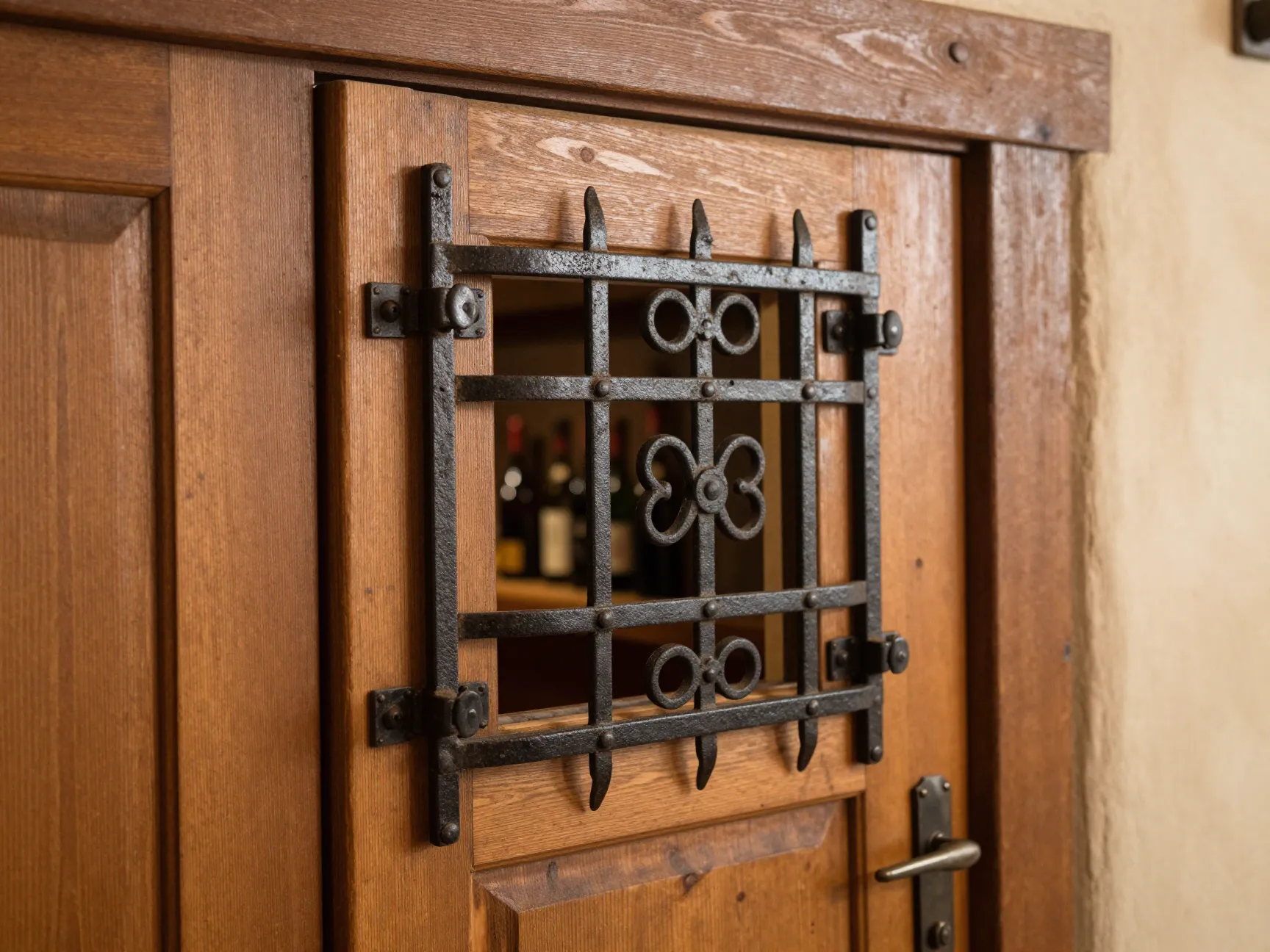
The speakeasy door is one of the most charming cellar door ideas available, and the Tuscan variant is its most refined expression. A speakeasy door features a small hinged panel, typically at eye level, that opens independently of the main door [1]. The panel is usually fitted with a hand-crafted iron grille, allowing a partial view into the cellar without opening the full door.
The theatrical quality of this design is hard to overstate. When I first encountered a Tuscan speakeasy door at a winery in the Barossa Valley, the host slid open the small panel to let the cool, wine-scented air drift through before inviting us inside. It was a deliberate, memorable moment that set the tone for the entire tasting experience.
For residential use, the speakeasy panel adds a playful, interactive element that guests love. Children are particularly delighted by it, which makes it an unexpectedly family-friendly design choice.
Best suited for: Rustic and Tuscan-inspired interiors, entertainment-focused wine rooms, hospitality settings.
5. The Vienna Full-Length Glass and Iron Door
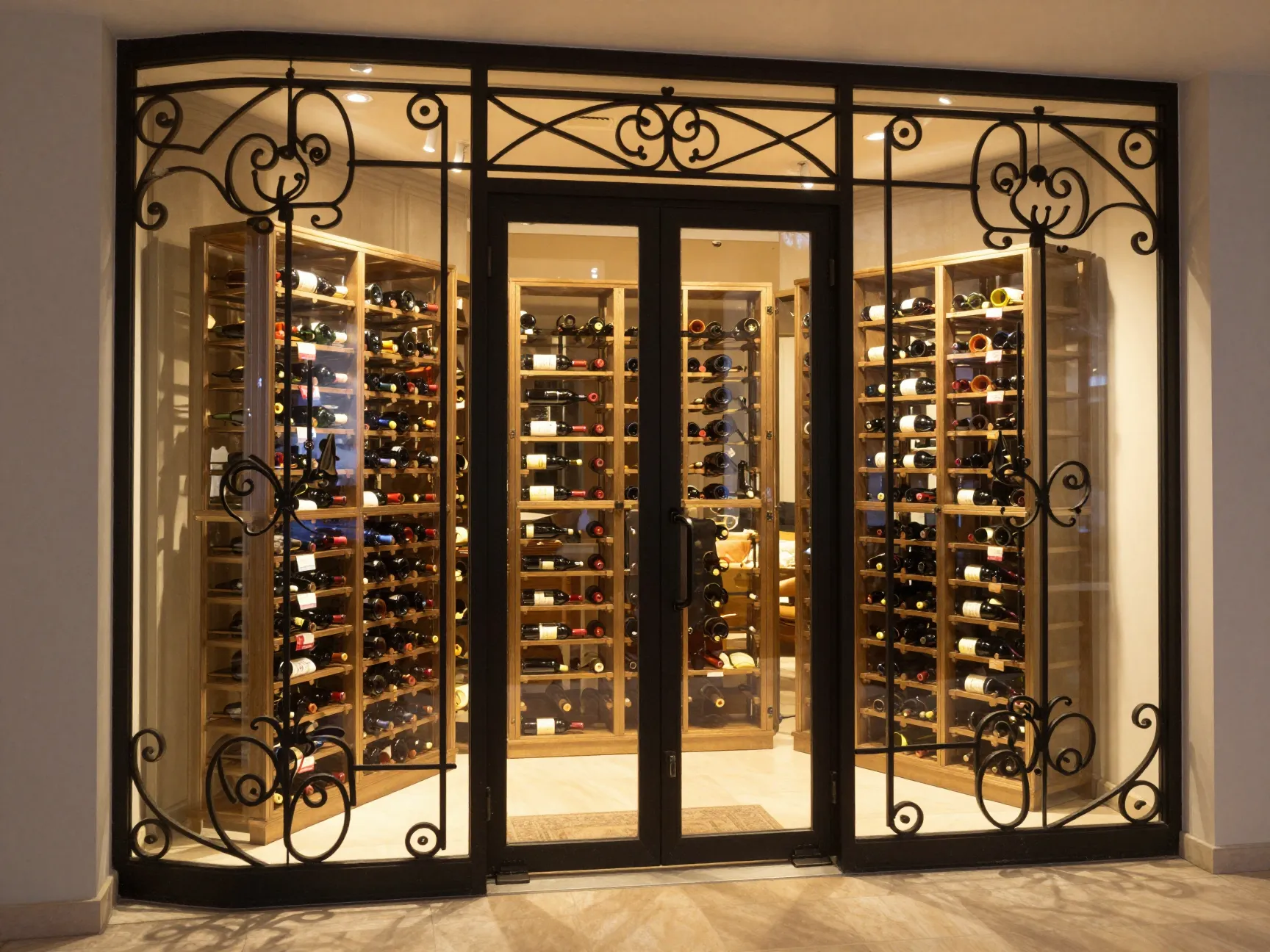
The Vienna style takes the Embassy concept and scales it up dramatically. Instead of glass inserts within a predominantly wood panel, the Vienna features hand-crafted iron work laid over a full-length glass panel [1]. The result is a door that is almost entirely transparent, with the iron providing both structural support and decorative drama.
This design works exceptionally well when the cellar interior is itself a visual showpiece. If your wine racks are custom built from reclaimed timber, or your bottles are arranged in a dramatic floor-to-ceiling display, the Vienna door turns the cellar into a living exhibit visible from the adjacent room.
Custom Wine Cellar specialists note that glass doors maximize the visual impact of a cellar’s interior, creating a display effect that enhances the perceived value of the collection [2]. The Vienna takes that principle to its logical extreme.
Best suited for: Showcase wine cellars, open-plan living spaces, hospitality venues where the cellar is a focal point.
6. Full Frameless Glass Cellar Doors
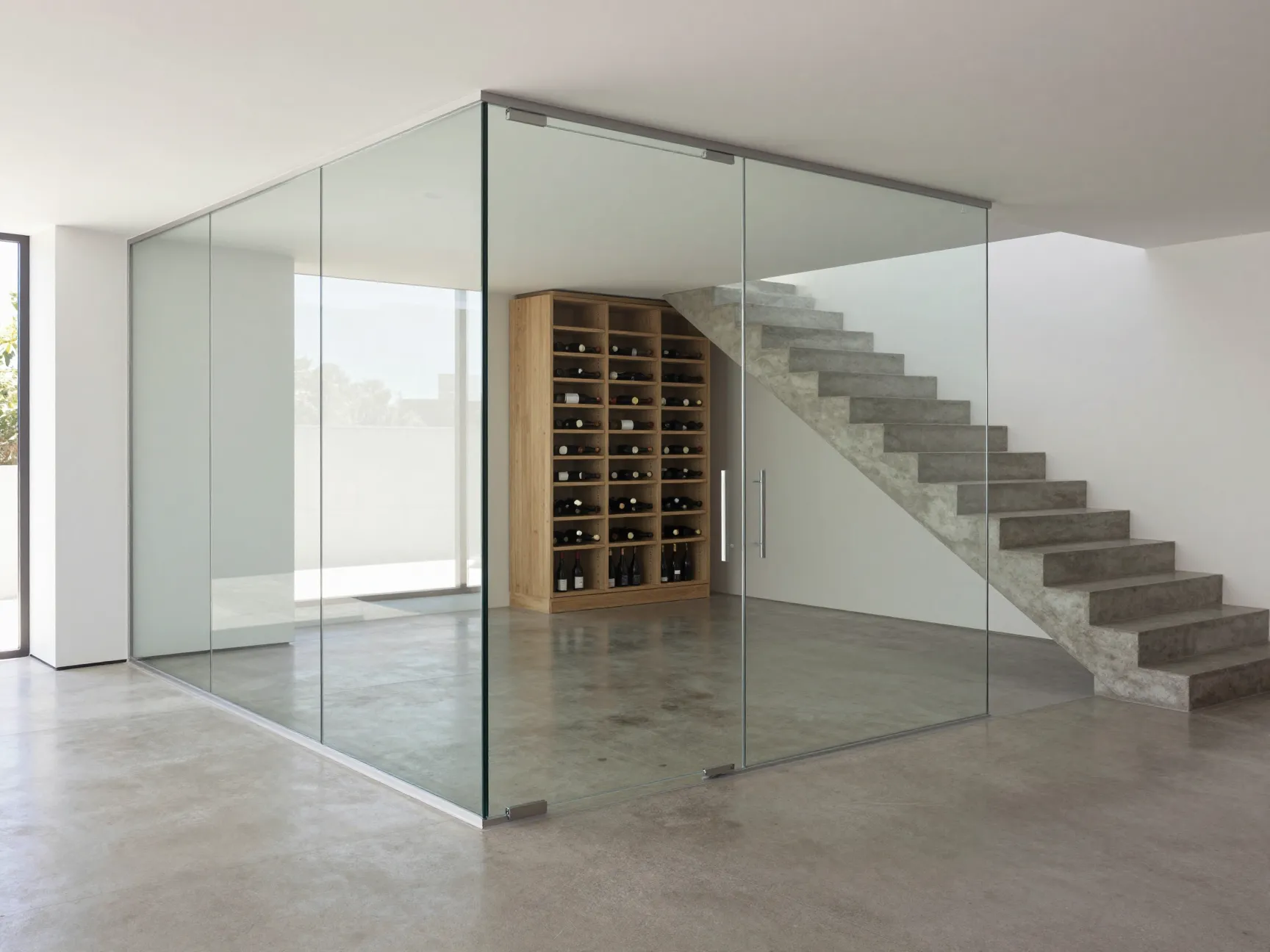
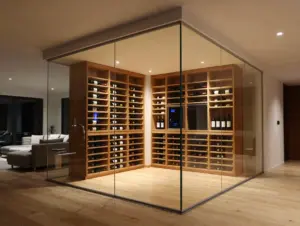
If the Vienna represents glass with iron structure, the frameless glass door represents glass in its purest form. These doors use structural glazing technology to eliminate visible frames entirely, creating an almost invisible barrier between the living space and the cellar [6].
Infinity Glass and Glazing notes that custom frameless glass wine cellar doors can be fabricated with tempered or laminated safety glass, meeting both aesthetic and building code requirements [6]. The glass can be clear, low-iron (for maximum clarity), or lightly tinted to reduce UV exposure, which is a genuine concern for wine stored near natural light sources.
The frameless aesthetic pairs naturally with high-end contemporary architecture. Think polished concrete floors, floating staircases, and minimal hardware. In these settings, a frameless glass cellar door feels less like a door and more like a window into a curated world.
A practical note on insulation: Frameless glass doors typically have lower R-values than insulated wood or metal alternatives. If your cellar requires strict climate control, discuss thermal glazing options with your fabricator before committing to this style.
Best suited for: Ultra-modern interiors, open-plan homes, commercial wine bars and restaurants.
7. Insulated Metal Doors with Architectural Finishes
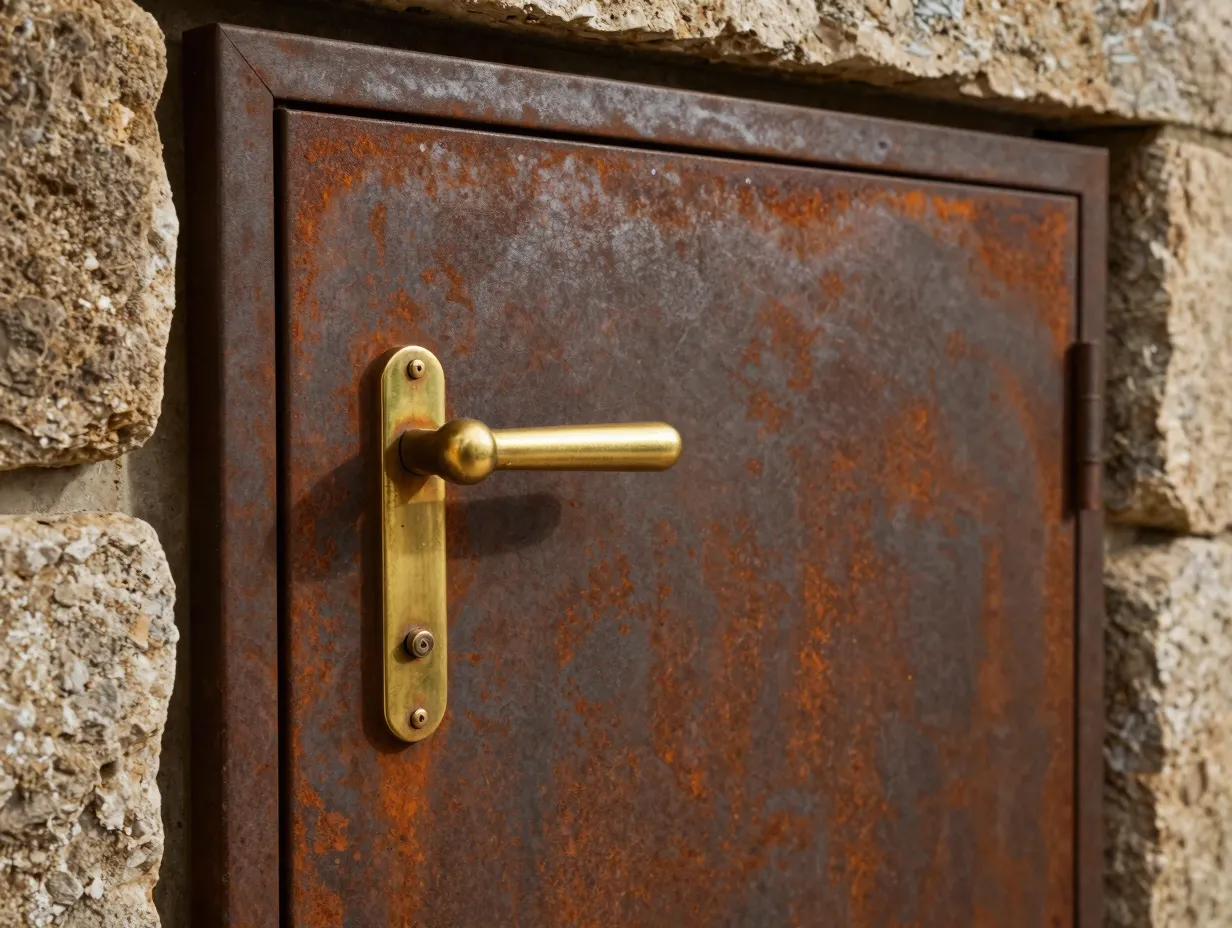
Metal cellar doors are the workhorses of climate-controlled wine storage, but modern fabrication techniques have transformed them into genuine design statements. Insulated metal doors achieve R-values of R-8 to R-10, significantly outperforming wood in thermal efficiency [2]. For serious collectors storing wine at precise temperatures, this performance advantage is decisive.
The architectural finish options available in 2026 are broader than ever. Powder-coated steel in matte black, bronze, or gunmetal grey creates a dramatic industrial aesthetic. Corten steel, with its warm rust-toned patina, suits winery settings with natural stone or rammed earth walls. Brushed stainless steel reads as clean and contemporary.
Genuwin Cellars highlights that pairing luxury metal finishes with custom hardware, such as hand-forged pulls or lever handles in aged brass, elevates a functional door into a design centerpiece [7]. The hardware choice is often the detail that makes the difference between a door that looks expensive and one that actually feels it.
Best suited for: High-performance climate-controlled cellars, industrial-style interiors, commercial wine storage facilities.
Insulation comparison at a glance:
| Door Material | Typical R-Value | Best For |
|---|---|---|
| Insulated Metal | R-8 to R-10 | Maximum climate control |
| Insulated Wood | R-4 to R-6 | Balanced performance and aesthetics |
| Standard Glass | R-1 to R-2 | Visual impact, moderate climate needs |
| Frameless Glass | R-1 to R-1.5 | Maximum transparency, minimal insulation |
8. Reclaimed Timber Doors with Custom Hardware
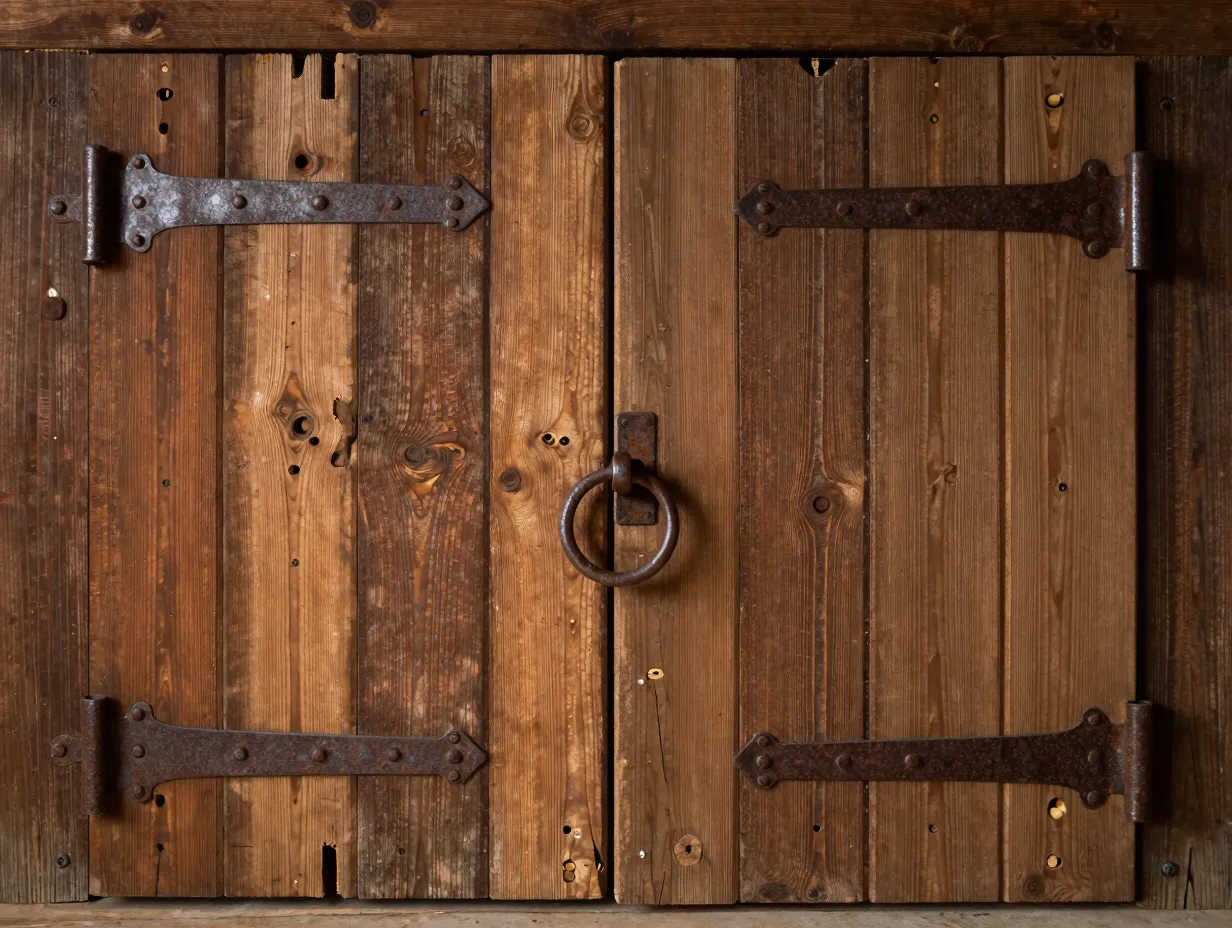
The eighth idea on this list of 8 gorgeous cellar door ideas that make a lasting first impression is perhaps the most personal: a door built from reclaimed timber. Old-growth wood salvaged from barns, industrial buildings, or demolished heritage structures carries a history that new timber simply cannot replicate. The grain is tighter, the color is richer, and the imperfections, nail holes, saw marks, and weathering, tell a story.
Architectural projects at wineries like Tarrawarra Estate in the Yarra Valley have demonstrated how reclaimed and natural materials can create cellar entrances that feel deeply connected to the land [4]. St Huberts Estate similarly uses material authenticity to create a sense of place that resonates with visitors long after they leave [5].
For residential use, a reclaimed timber door can be paired with hand-forged iron strap hinges, a heavy ring pull, or a mortise lock with an aged brass finish. The result is a door that looks like it has been in the family for generations, even if it was installed last year.
Best suited for: Rustic wine cellars, farmhouse-style homes, winery tasting rooms seeking authentic connection to the land.
Tips for sourcing reclaimed timber doors:
- Work with a specialist millwork studio that can assess structural integrity before fabrication
- Request documentation of the timber’s origin if provenance matters to you
- Discuss finish options carefully, as reclaimed wood often responds differently to stains and oils than new timber
How to Choose the Right Style for Your Space
With eight strong options in front of you, the decision can feel overwhelming. I recommend narrowing your choices by answering three questions first.
What is the dominant architectural language of the surrounding space? A frameless glass door will look out of place in a stone-walled Tuscan cellar. A hand-carved antique door will feel incongruous in a polished concrete loft. Match the door to the room, not just to your personal preference.
What are your climate control requirements? If you are storing a serious collection of age-worthy wines, insulation performance is non-negotiable. An insulated metal door or a well-sealed insulated wood door will serve you far better than a beautiful but thermally inadequate glass panel.
What experience do you want guests to have? A speakeasy door creates theatre. A frameless glass door creates transparency. A solid Barolo door creates gravitas. Think about the emotional response you want to trigger before the door even opens, because that response will shape how people feel about everything inside.
Design Integration: The Door as Brand Statement
For winery cellar doors specifically, the design choice carries additional weight. First Drop Wines describes the cellar door experience as the moment when a visitor steps into the heartbeat of the winery [3]. That heartbeat needs to be audible from the entrance.
A door that reflects the winery’s character, whether that means rugged reclaimed timber for a natural wine producer or polished iron and glass for a prestige Cabernet house, creates immediate alignment between expectation and experience. Visitors who feel that alignment are more likely to trust the wines, engage with the story, and return.
Estate Millwork reinforces this point, noting that elegant cellar doors signal to guests that the same care and attention applied to the entrance has been applied to every other aspect of the cellar [8]. It is a powerful form of non-verbal communication.
Entryway design research supports this broadly: a well-designed entry creates a psychological priming effect that influences how people perceive everything that follows [9]. Your cellar door is not just a door. It is the opening sentence of a story you are telling about your wine.
Conclusion
The 8 gorgeous cellar door ideas that make a lasting first impression covered in this guide range from the hand-carved grandeur of antique-style wooden doors to the stripped-back elegance of frameless glass. Each option has a distinct character, a specific material profile, and a clear best-use context.
My strongest recommendation is this: do not treat the cellar door as the last decision in your design process. Treat it as the first. Let the door set the tone, and build the rest of the cellar around the experience it creates.
Actionable next steps for 2026:
- Identify your cellar’s dominant architectural style and shortlist two or three door options that align with it.
- Get a thermal assessment from a climate control specialist to determine the minimum R-value your door needs to achieve.
- Request samples of wood species, metal finishes, or glass types before committing to a fabricator.
- Visit at least one showroom or completed installation in person. Photographs do not capture the weight, texture, and presence of a well-made cellar door.
- Budget for quality hardware. The pull, the lock, and the hinges are the tactile details guests will notice every single time they open the door.
A cellar door that makes a lasting first impression does not happen by accident. It happens because someone made deliberate, informed choices about material, craft, and design. Make those choices with intention, and the door will reward you every time it swings open.
References
[1] Wine Cellar Doors – https://vinogrotto.com/wine-cellar-doors/?utm_source=openai
[2] Doors – https://www.customwinecellar.com/services/doors?utm_source=openai
[3] What Makes A Great Cellar Door – https://firstdropwines.com/blogs/first-drop-journal/what-makes-a-great-cellar-door?utm_source=openai
[4] Tarrawarra Estate Cellar Door – https://architectureau.com/articles/tarrawarra-estate-cellar-door/?utm_source=openai
[5] St Huberts Estate – https://architectureau.com/articles/st-huberts-estate/?utm_source=openai
[6] Custom Glass Wine Cellar Doors Dfw – https://www.infinityglassandglazingtx.com/blog/custom-glass-wine-cellar-doors-dfw?utm_source=openai
[7] Luxury Materials And Finishes For Custom Wine Cellars – https://www.genuwinecellars.com/luxury-materials-and-finishes-for-custom-wine-cellars/?utm_source=openai
[8] Elegant Wine Cellar Doors – https://www.estatemillwork.com/blog/elegant-wine-cellar-doors.html?utm_source=openai
[9] Entryways Make A Lasting Impression – https://www.seattlestagedtosell.com/entryways-make-a-lasting-impression/?utm_source=openai