8 Mixology Aesthetic Trends Every Home Bartender Needs to Try Now
Home cocktail culture has grown by over 30 percent since 2020, and in 2026, it shows no sign of slowing down. The bar cart is no longer just a piece of furniture — it is a statement of personal style, culinary curiosity, and creative ambition. If you have been mixing the same gin and tonic for the past three years, you are leaving a lot of flavor, beauty, and experience on the table.
Disclosure: This post contains affiliate links. As an Amazon Associate, we earn from qualifying purchases, and at no extra cost to you.
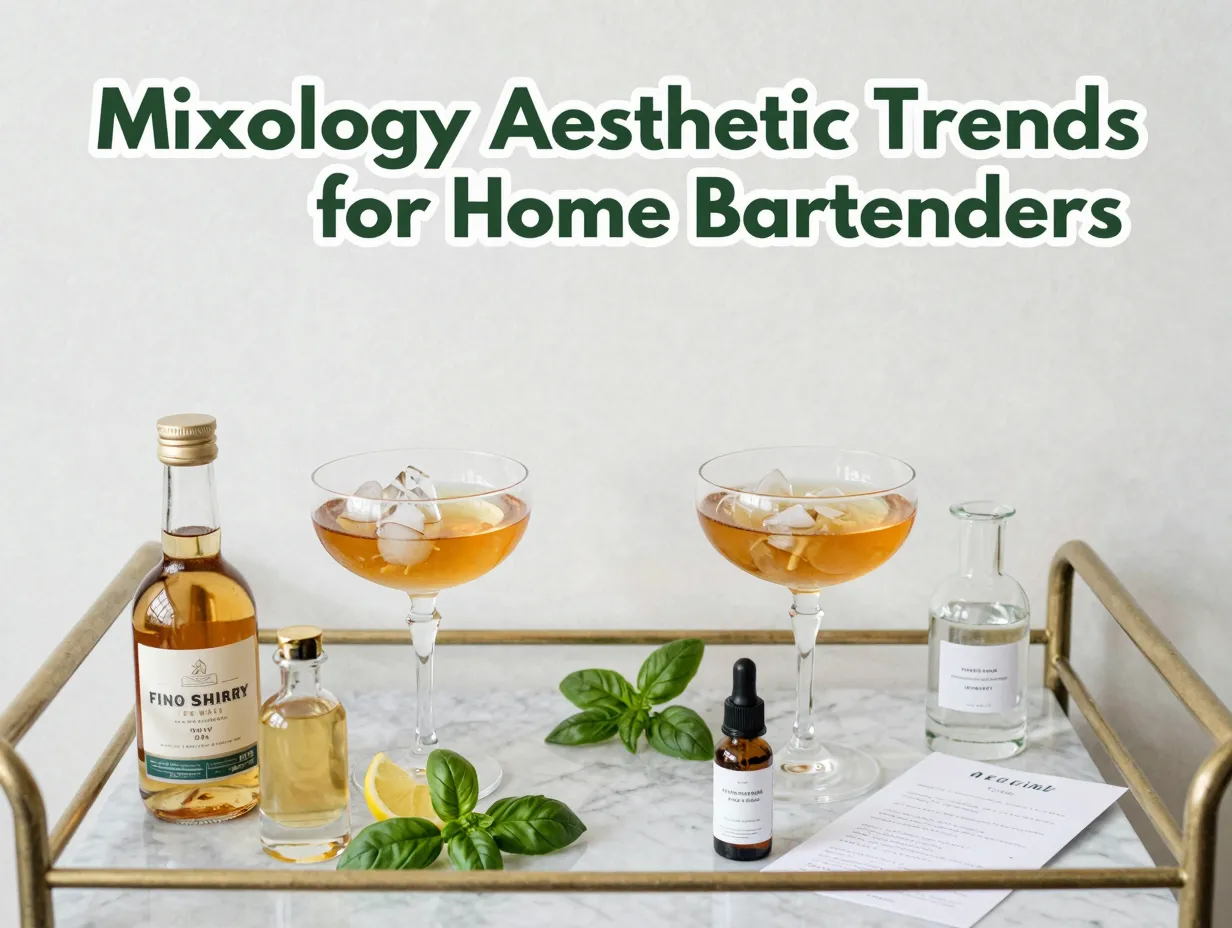
The 8 mixology aesthetic trends every home bartender needs to try now are not just about what goes into the glass. They are about how a drink looks, feels, and tells a story. From functional wellness cocktails to minimalist presentations that belong in a design magazine, these trends are reshaping what it means to entertain at home. Whether you are a seasoned shaker or a curious beginner, each of these movements offers something genuinely exciting to explore.
Key Takeaways
- Functional cocktails using adaptogens and nootropics are blending wellness with flavor in 2026.
- Minimalist presentation and clear ice are replacing elaborate garnishes as the new standard of elegance.
- Low-ABV and non-alcoholic options are expanding what “cocktail culture” means for everyone.
- Fermentation techniques like kombucha and miso are adding depth and complexity to home drinks.
- Gamification and interactivity are turning cocktail-making into a social experience, not just a skill.
The 8 Mixology Aesthetic Trends Every Home Bartender Needs to Try Now
The following eight trends have been identified by industry analysts, bar professionals, and beverage media as the defining movements of 2026 [1][2][3][4][5]. Each one is accessible at home with the right ingredients and a willingness to experiment.
1. Functional Cocktails: Drinking With Purpose
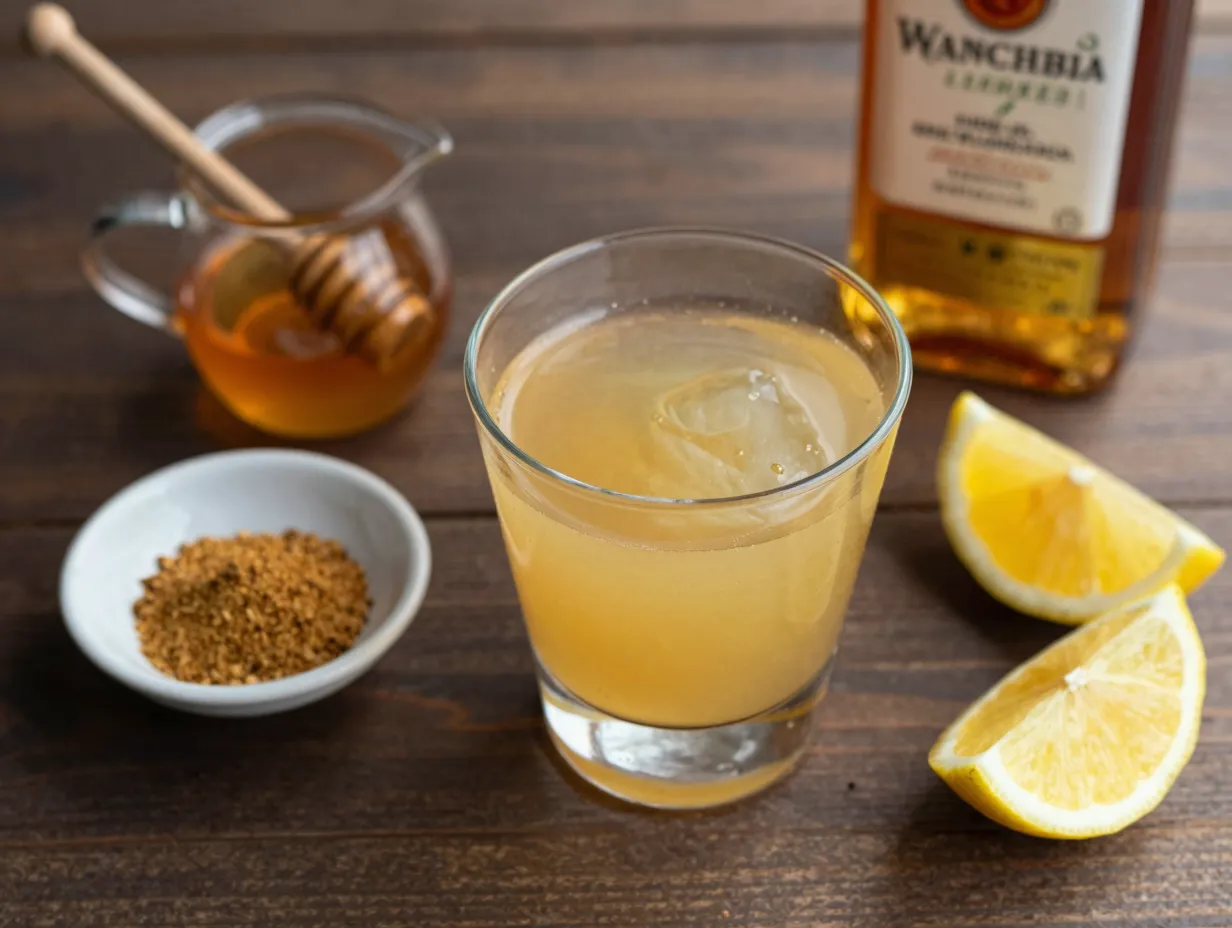
The most significant shift in home mixology right now is the move toward drinks that do more than taste good. Functional cocktails incorporate adaptogens, nootropics, and superfoods — ingredients like ashwagandha, lion’s mane mushroom, and turmeric — to create beverages that support mood, focus, and overall wellness [1].
I first tried an ashwagandha-spiked mezcal sour at a friend’s dinner party, and the conversation it started was worth as much as the drink itself. Guests wanted to know what was in it, why it tasted earthy but bright, and whether they could make it at home.
How to try it at home:
- Add a quarter teaspoon of ashwagandha powder to a classic whiskey sour recipe.
- Blend lion’s mane mushroom tincture into a citrus-forward gin cocktail.
- Use matcha as both a flavor component and a visual garnish in a vodka-based drink.
The key is balance. Adaptogens can be bitter or earthy, so pair them with acidic citrus or sweet honey syrups to round out the flavor profile. This trend aligns perfectly with the broader wellness movement and gives guests a reason to feel good about what they are drinking.
“The best cocktail is one that serves the whole person — not just the palate.”
2. Low-ABV and Non-Alcoholic Options: Inclusive Sipping
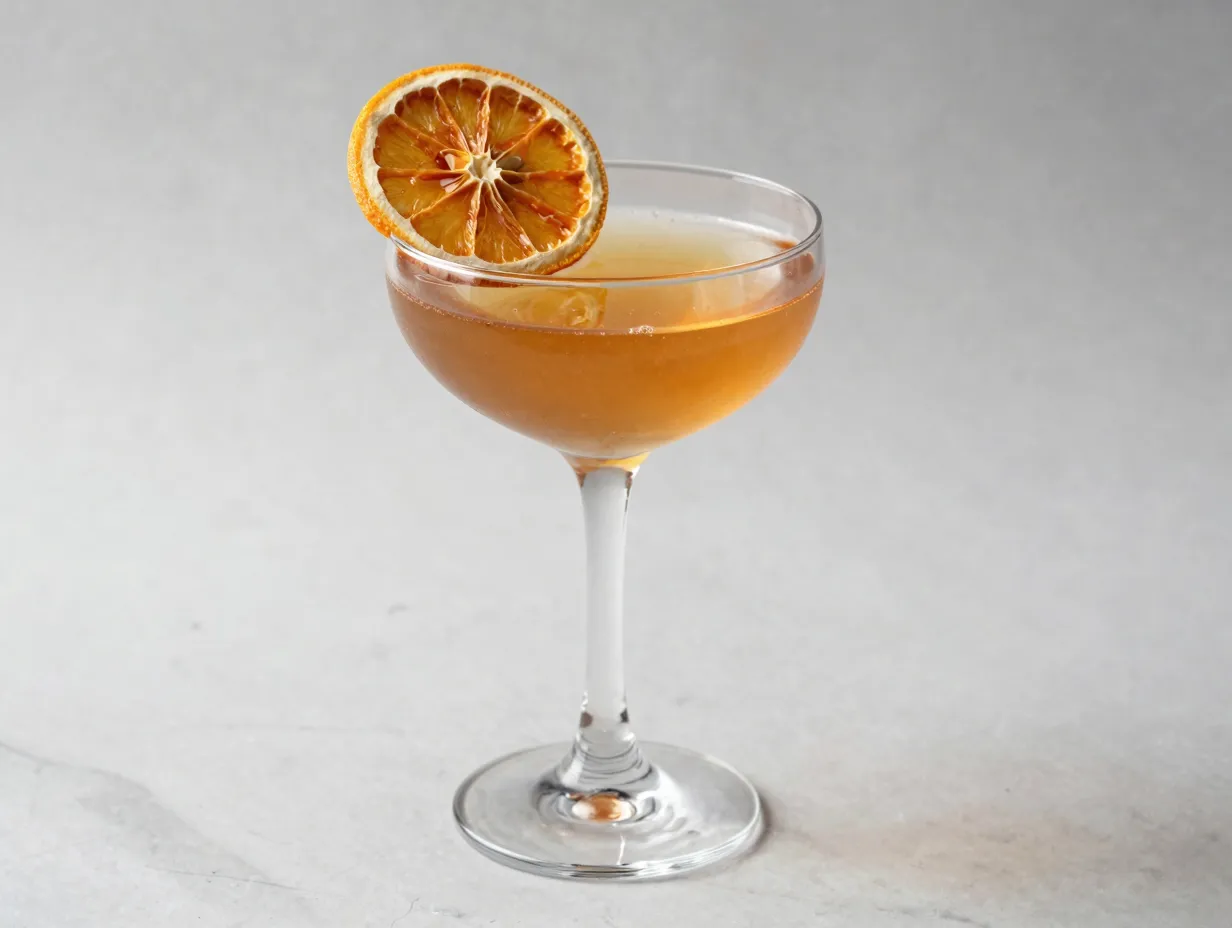
One of the most culturally important shifts in 2026 is the normalization of low-alcohol and alcohol-free cocktails. Consumers are increasingly seeking beverages that allow for longer social interactions without overconsumption [2]. This is not about abstinence — it is about choice, inclusivity, and flavor.
The non-alcoholic spirits market has matured dramatically. Brands now offer distilled botanicals that mimic the complexity of gin, whiskey, and amaro without a drop of ethanol. For home bartenders, this opens up an entirely new creative space.
| Category | Example Ingredients | Flavor Profile |
|---|---|---|
| Non-alcoholic spirits | Seedlip, Lyre’s, Monday | Botanical, complex |
| Low-ABV bases | Sake, dry vermouth, wine | Light, nuanced |
| Functional mocktails | Adaptogen blends, shrubs | Earthy, tangy |
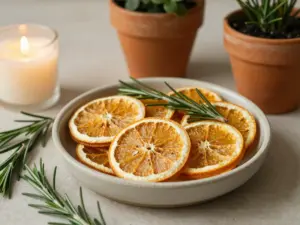
Why this matters aesthetically: A beautifully crafted zero-proof cocktail in a coupe glass, garnished with a dehydrated citrus wheel, looks identical to its alcoholic counterpart. The visual experience is the same. The inclusivity it offers is not.
3. Sustainable and Local Ingredients: The Garden-to-Glass Movement
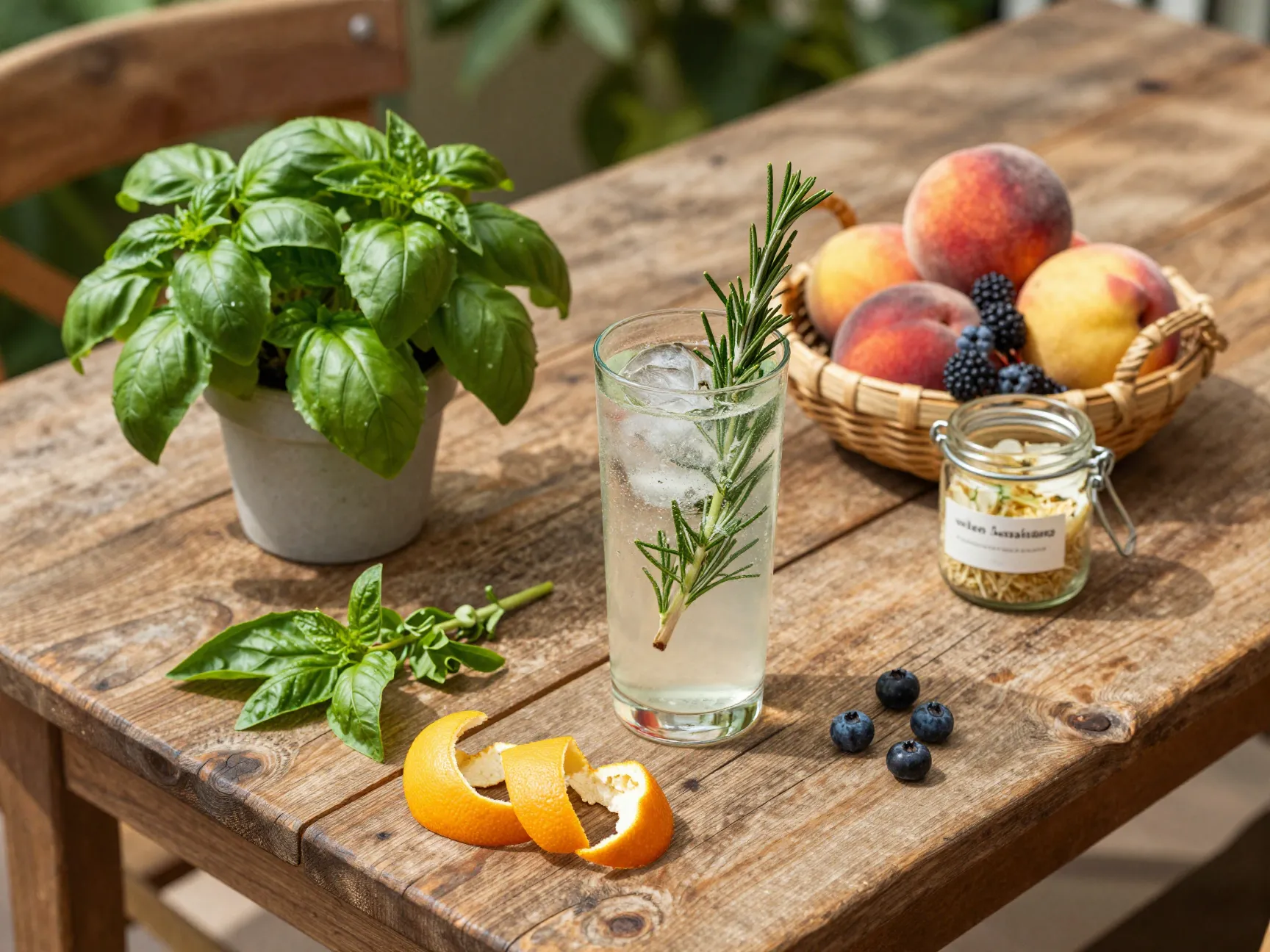
Sustainability is no longer a buzzword — it is a bartending philosophy. In 2026, the emphasis on locally sourced, seasonal ingredients has moved from professional bar programs into home kitchens and gardens [3]. Home bartenders are using herbs, fruits, and botanicals from their own gardens or local farmers’ markets to reduce their environmental footprint and support local economies.
Last summer, I grew a small container garden of lemon verbena, Thai basil, and rosemary specifically for cocktails. The difference in flavor compared to store-bought herbs was remarkable — brighter, more aromatic, and far more satisfying to use.
Practical steps for sustainable home mixology:
- Grow mint, basil, and thyme in small pots on a windowsill.
- Visit your local farmers’ market for seasonal fruits to use as syrups or garnishes.
- Use citrus peels and fruit scraps to make oleo saccharum instead of discarding them.
- Compost spent citrus and herb waste from your bar sessions.
This trend also encourages creativity. When you are limited to what is in season, you are forced to experiment with combinations you might never have considered otherwise.
4. Fermentation Techniques: Complexity From Culture
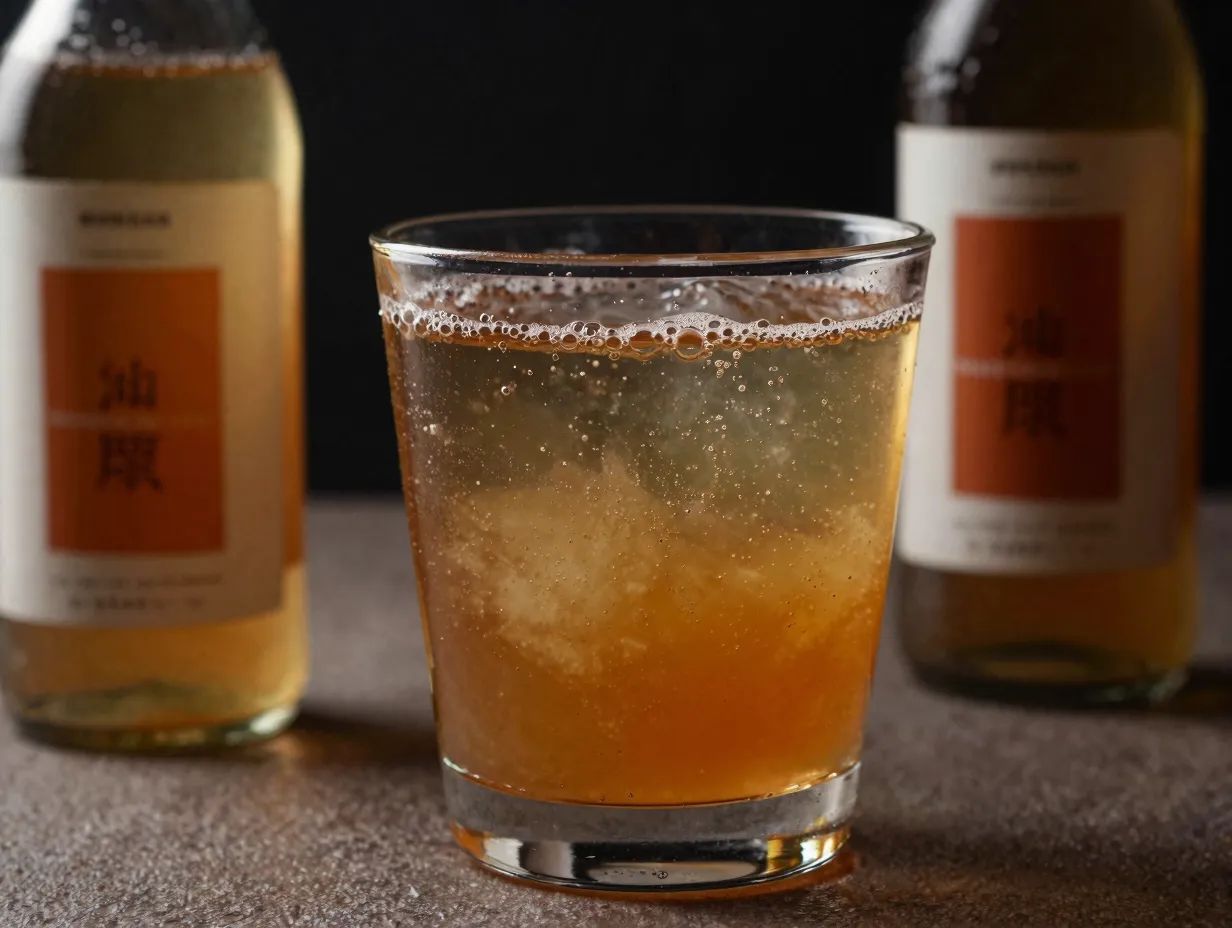
Fermented ingredients are having a major moment in cocktail culture. Kombucha, kefir, miso, and lacto-fermented fruits are being incorporated into drinks to add depth, umami, and a layered complexity that no single spirit can achieve alone [3].
This trend sits at the intersection of the culinary world and the bar world. Chefs have long used fermentation to build flavor — now home bartenders are doing the same.
Fermented ingredients worth exploring:
- Kombucha: Use as a mixer in place of soda water for a tangy, probiotic-rich effervescence.
- Miso: Fat-wash a spirit with white miso butter for a savory, silky base.
- Shrubs: Make drinking vinegars from fermented fruit and apple cider vinegar to add acidity and sweetness.
- Tepache: Ferment pineapple rinds with piloncillo and cinnamon for a Mexican-inspired mixer.
The aesthetic appeal here is also strong. Kombucha-based cocktails have a natural cloudiness and depth of color that looks stunning in a clear glass. Fermentation is essentially free flavor — it just requires time and patience.
5. Minimalist Presentation: Less Is More Elegant
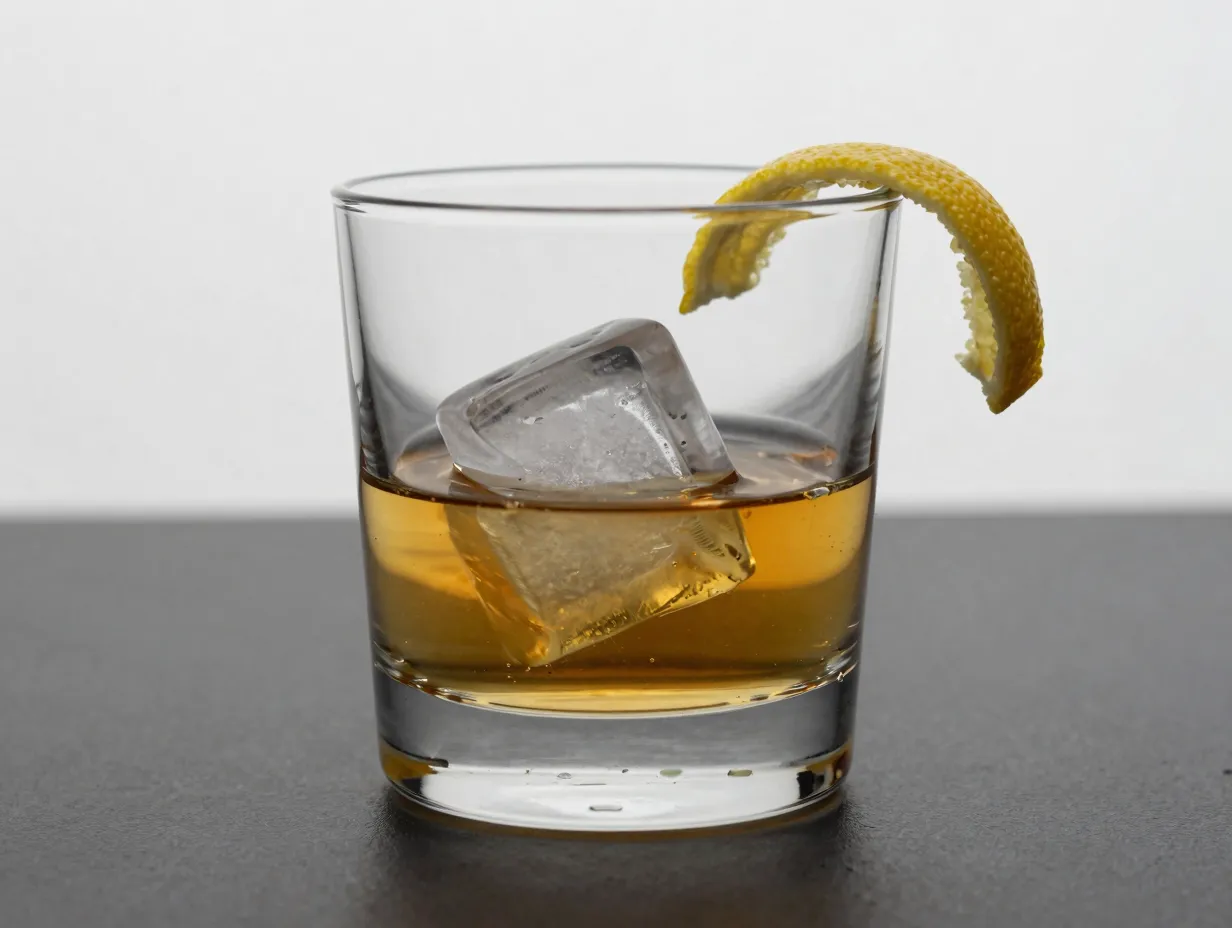
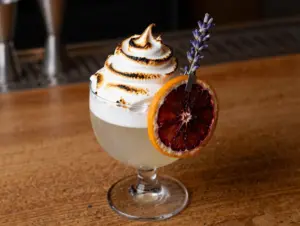
The maximalist garnish era — towering skewers of fruit, flaming orange peels, elaborate sugar sculptures — is giving way to something far more refined. In 2026, minimalist cocktail presentation is the dominant aesthetic [4]. Clean lines, crystal-clear ice, and a single, intentional garnish are the hallmarks of this trend.
Clear ice is perhaps the single biggest upgrade a home bartender can make. Directional freezing techniques using a small cooler produce large, transparent blocks that can be cut into spears or cubes. The visual impact is immediate and dramatic — a crystal-clear spear in a whiskey glass elevates the entire experience.
Minimalist presentation principles:
- Use one garnish, chosen deliberately for both flavor and visual impact.
- Invest in clear, heavy-bottomed glassware with simple silhouettes.
- Let the color of the cocktail itself be the visual statement.
- Avoid over-garnishing — a single expressed lemon peel is often more elegant than a citrus wheel, a sprig, and a dehydrated slice combined.
“Restraint is a skill. In cocktail presentation, knowing what to leave out is as important as knowing what to add.”
This aesthetic photographs beautifully, which matters in 2026 when sharing a home cocktail on social media is part of the ritual for many enthusiasts.
6. The Highball Resurgence: Simple, Refreshing, Endlessly Versatile
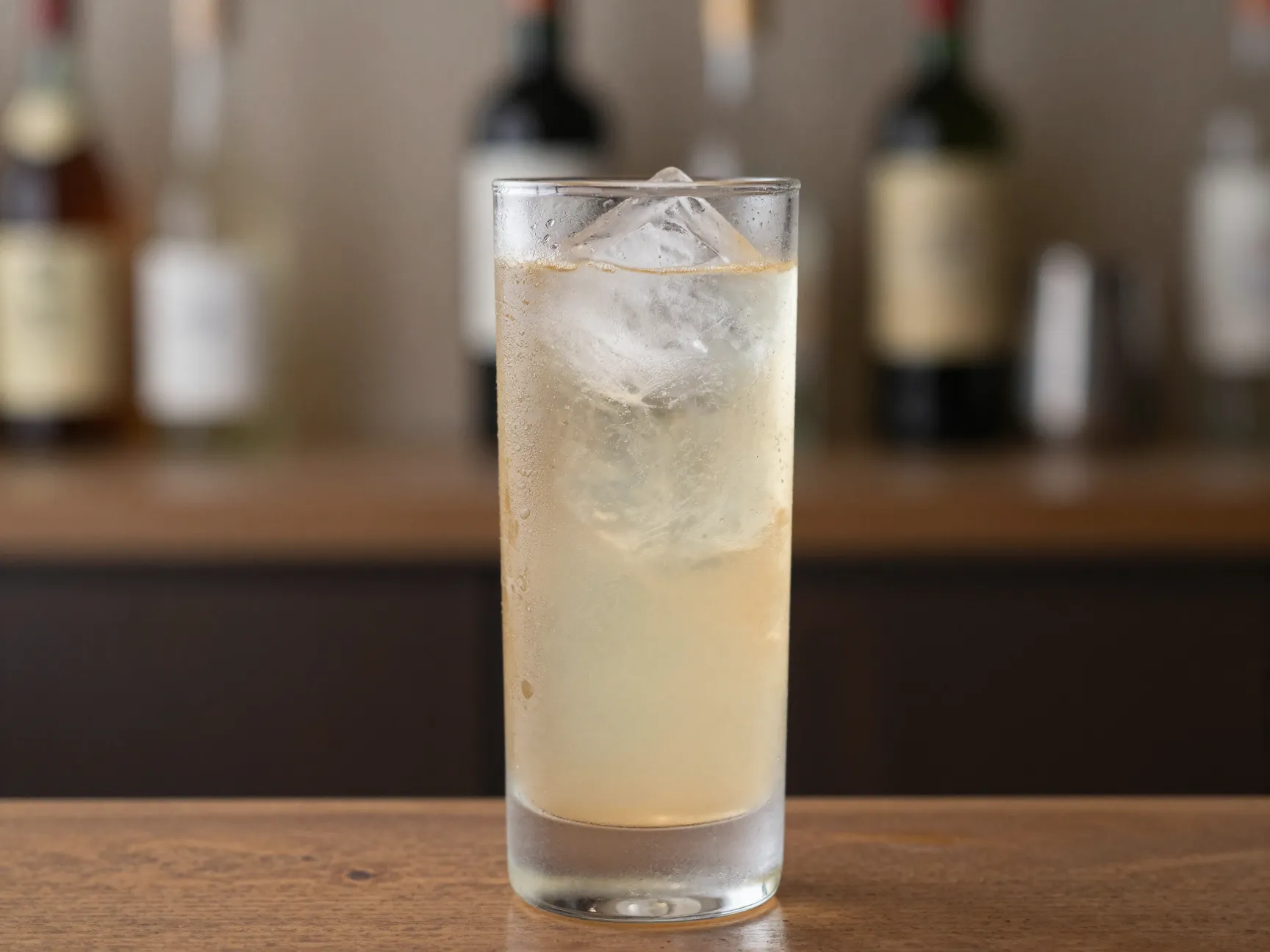
Classic highball cocktails — spirit over ice, topped with a sparkling mixer — are making a powerful comeback [5]. Their appeal lies in their simplicity, their refreshing nature, and their versatility as a canvas for experimentation.
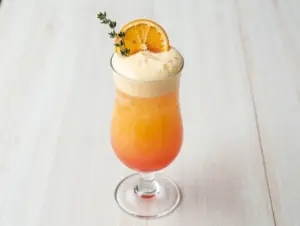
The Japanese whisky highball, made with a precise ratio of whisky to chilled sparkling water and served in a tall, frosted glass, has become a benchmark of elegant simplicity. But the format extends far beyond whisky. Gin highballs with tonic, tequila highballs with grapefruit soda, and rum highballs with coconut water are all expressions of the same philosophy: let the spirit speak.
What makes a great highball:
- Temperature: The glass, the ice, and the mixer should all be as cold as possible.
- Ratio: A standard starting point is one part spirit to three parts mixer, adjusted to taste.
- Carbonation: Pour the mixer gently down the side of the glass to preserve bubbles.
- Ice: Use a single large ice spear to minimize dilution while keeping the drink cold.
The highball’s aesthetic is inherently minimalist, which connects it naturally to trend number five. It is also one of the most forgiving formats for home bartenders who are still building their skills.
More of the 8 Mixology Aesthetic Trends Every Home Bartender Needs to Try Now
The final two trends on this list push the boundaries of what home cocktail culture can be — one by making the experience interactive, and the other by redefining convenience.
7. Gamification in Mixology: Make It an Experience
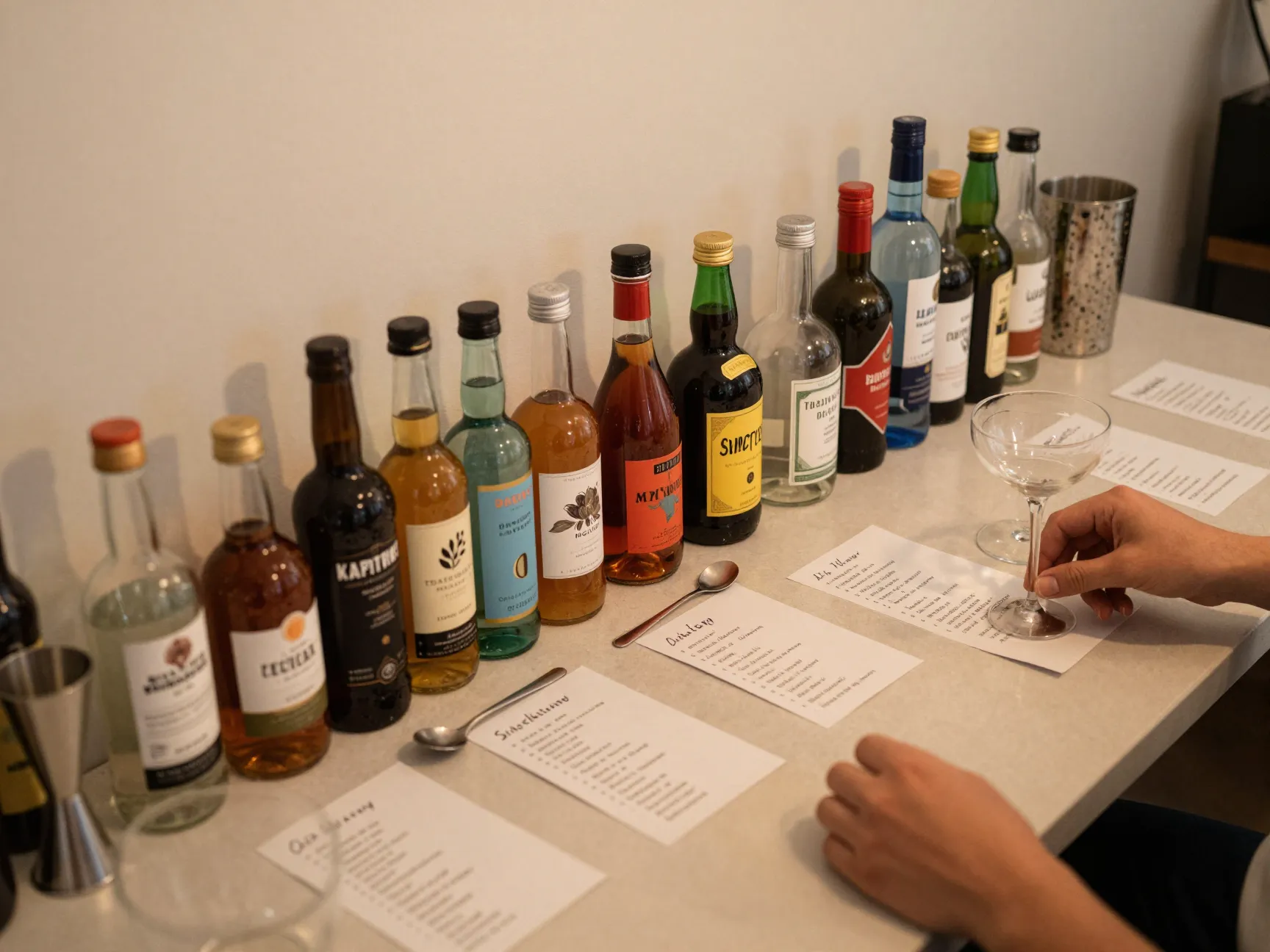
One of the most exciting developments in 2026 home bartending is the introduction of interactive, game-like elements into the cocktail experience [3]. This trend transforms the act of making and drinking cocktails from a passive activity into an engaging, participatory one.
Think of it this way: instead of simply handing a guest a finished drink, you invite them into the process. DIY cocktail kits laid out on the bar, choose-your-own-adventure flavor menus, and interactive garnishing stations all fall under this umbrella.
Ideas for gamifying your home bar:
- Set up a “build your own” cocktail station with labeled bottles of spirits, syrups, and mixers, and a simple recipe card for guidance.
- Create a blind tasting flight where guests guess the base spirit in three unmarked cocktails.
- Offer a “modifier menu” — a small card listing three optional add-ins (a dash of bitters, a float of amaro, a pinch of smoked salt) that guests can choose to customize their drink.
- Host a cocktail competition among guests, with a panel of “judges” and a mystery ingredient round.
The social dimension of this trend is its greatest strength. It turns a dinner party into a shared creative experience, and it makes even non-drinkers feel included in the ritual. The aesthetic element comes from the visual design of the station itself — small labeled bottles, handwritten cards, and thoughtfully arranged tools create a scene that is both functional and beautiful.
8. Fortified Wines as Primary Ingredients: The Sophisticated Shift
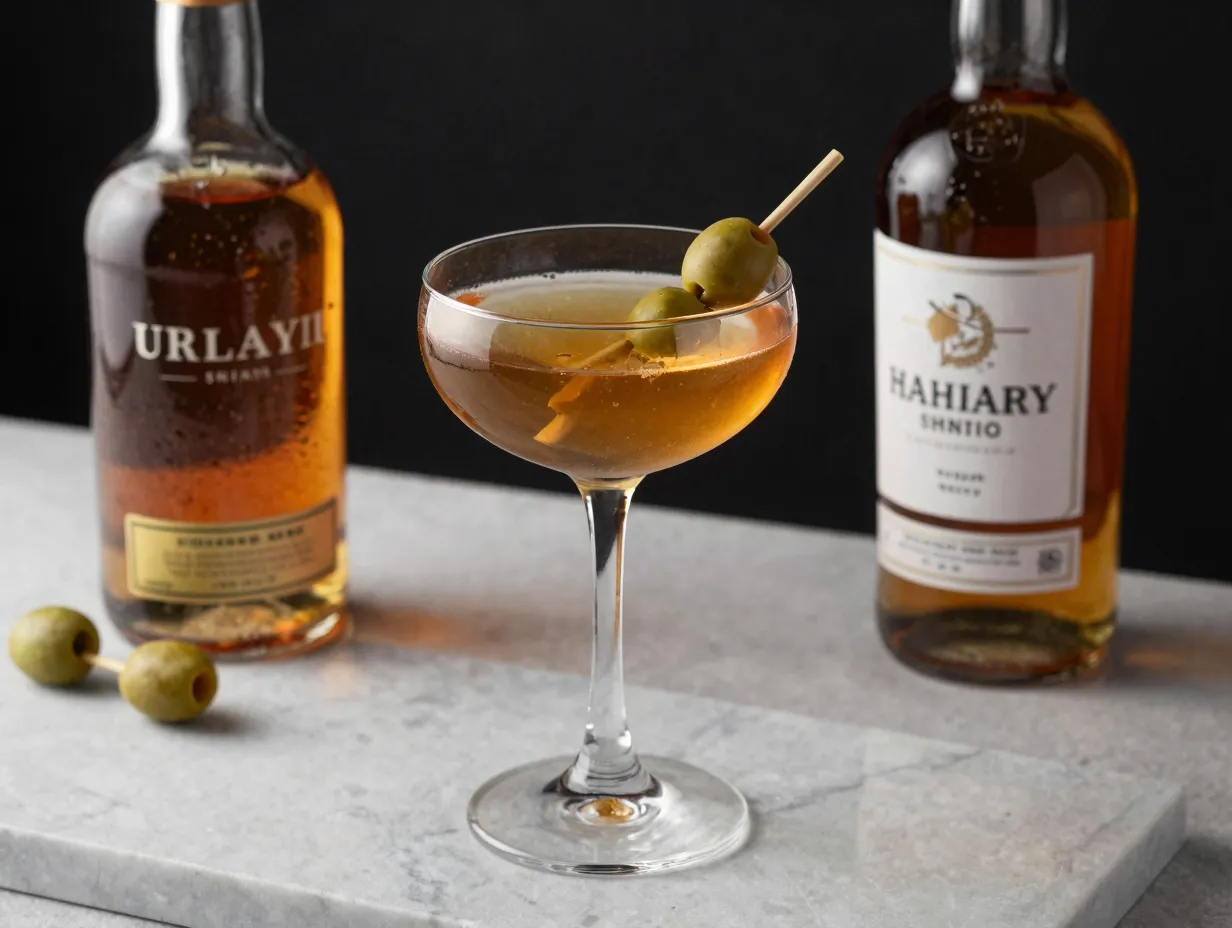
The final trend on this list is perhaps the most underappreciated by home bartenders. Fortified wines — sherry, port, vermouth, Madeira, and Marsala — are moving from supporting roles to center stage in 2026 cocktail culture [5].
For too long, vermouth sat in the back of the refrigerator, used only as a whisper in a martini. Sherry was something your grandmother kept on the shelf. In 2026, these perceptions are changing rapidly among serious home bartenders who have discovered the extraordinary complexity these wines bring to a glass.
Why fortified wines deserve a starring role:
| Fortified Wine | Flavor Notes | Best Paired With |
|---|---|---|
| Fino Sherry | Dry, nutty, saline | Gin, white rum, citrus |
| Oloroso Sherry | Rich, walnut, dried fruit | Bourbon, rye, amaro |
| Tawny Port | Caramel, orange peel, spice | Brandy, aged rum |
| Dry Vermouth | Herbal, floral, light | Vodka, gin, sparkling wine |
| Madeira | Oxidized, honeyed, acidic | Cognac, apple brandy |
A classic Bamboo cocktail — equal parts dry sherry and dry vermouth, with a dash of bitters — is one of the most elegant, low-ABV drinks you can make at home. It requires no shaking, no elaborate technique, and no expensive equipment. It is sophisticated by nature.
The aesthetic of fortified wine cocktails tends toward amber tones, elegant glassware, and minimal garnish — a perfect olive, a single lemon twist — which aligns beautifully with the minimalist presentation trend discussed earlier.
How to Start Applying These Trends at Home
Understanding these eight trends is one thing. Putting them into practice is another. Here is a practical framework for integrating them into your home bar without feeling overwhelmed.
Start with one trend per month. January might be the month you master clear ice and minimalist presentation. February could be your exploration of fermented mixers. By the end of eight months, you will have a working knowledge of all eight trends.
Invest in a few key tools:
- A directional freezing container for clear ice
- A fine mesh strainer for clarifying cocktails
- Small labeled dropper bottles for bitters and tinctures
- A set of coupe glasses and tall highball glasses
Build a functional pantry:
- Kombucha (plain, unflavored) for use as a mixer
- One bottle each of fino sherry and dry vermouth
- A non-alcoholic spirit for inclusive entertaining
- A selection of adaptogen powders or tinctures
- Fresh seasonal herbs from a local market or your own garden
The goal is not to implement all eight trends simultaneously. The goal is to develop a personal aesthetic — a home bar identity — that reflects your taste, your values, and your curiosity.
Conclusion
The 8 mixology aesthetic trends every home bartender needs to try now represent more than a list of techniques. They represent a philosophy: that the home bar is a space for creativity, wellness, inclusivity, and genuine hospitality. In 2026, the most compelling cocktails are not necessarily the most complicated ones. They are the ones made with intention.
Your actionable next steps:
- Choose one trend from this list that excites you most and commit to trying it this week.
- Visit your local farmers’ market and identify one seasonal ingredient to build a cocktail around.
- Purchase a bottle of fino sherry or dry vermouth and make a Bamboo cocktail tonight.
- Set up a simple DIY cocktail station the next time you have guests and observe how it changes the energy of the room.
- Experiment with clear ice — even a basic cooler method will produce results that transform your presentation immediately.
The bar cart is yours. These trends are your invitation to use it in ways you have never considered before.
References
[1] What S Next In Mixology Trends For 2026 – https://advancedmixology.com/a/s/blogs/art-of-mixology/what-s-next-in-mixology-trends-for-2026?utm_source=openai
[2] Cocktail Trends Worth Trying At Home In 2026 – https://www.homebarmenu.com/bar-talk/trends/cocktail-trends-worth-trying-at-home-in-2026/?utm_source=openai
[3] Mixology 2026 I Dieci Trend Che Cambiano Cocktail Bar E Modo Di Bere 425040596 – https://www.repubblica.it/economia/rapporti/osserva-italia/trend/2025/12/15/news/mixology_2026_i_dieci_trend_che_cambiano_cocktail_bar_e_modo_di_bere-425040596/?utm_source=openai
[4] Next Gen Cocktail Trends 2026 – https://www.anuga.com/magazine/articles/next-gen-cocktail-trends-2026.php?utm_source=openai
[5] Three Cents The Cocktail Bar Trends Defining 2026 – https://www.suppermag.com/stories/products/three-cents-the-cocktail-bar-trends-defining-2026/?utm_source=openai