8 Easy Red Wine Vinegar Salad Dressing Recipes for Tangy, Restaurant-Quality Greens
Store-bought salad dressings contain an average of 10 to 20 ingredients, many of which are preservatives, stabilizers, and added sugars you would never choose to put on a fresh salad yourself. That single fact is what pushed me to start making dressings at home years ago — and red wine vinegar became my go-to foundation almost immediately. The bold, slightly fruity acidity it delivers is nearly impossible to replicate with any other pantry staple. These 8 easy red wine vinegar salad dressing recipes for tangy, restaurant-quality greens will show you just how simple it is to ditch the bottle and dress your salads with something genuinely worth eating.
Disclosure: This post contains affiliate links. As an Amazon Associate, we earn from qualifying purchases, and at no extra cost to you.
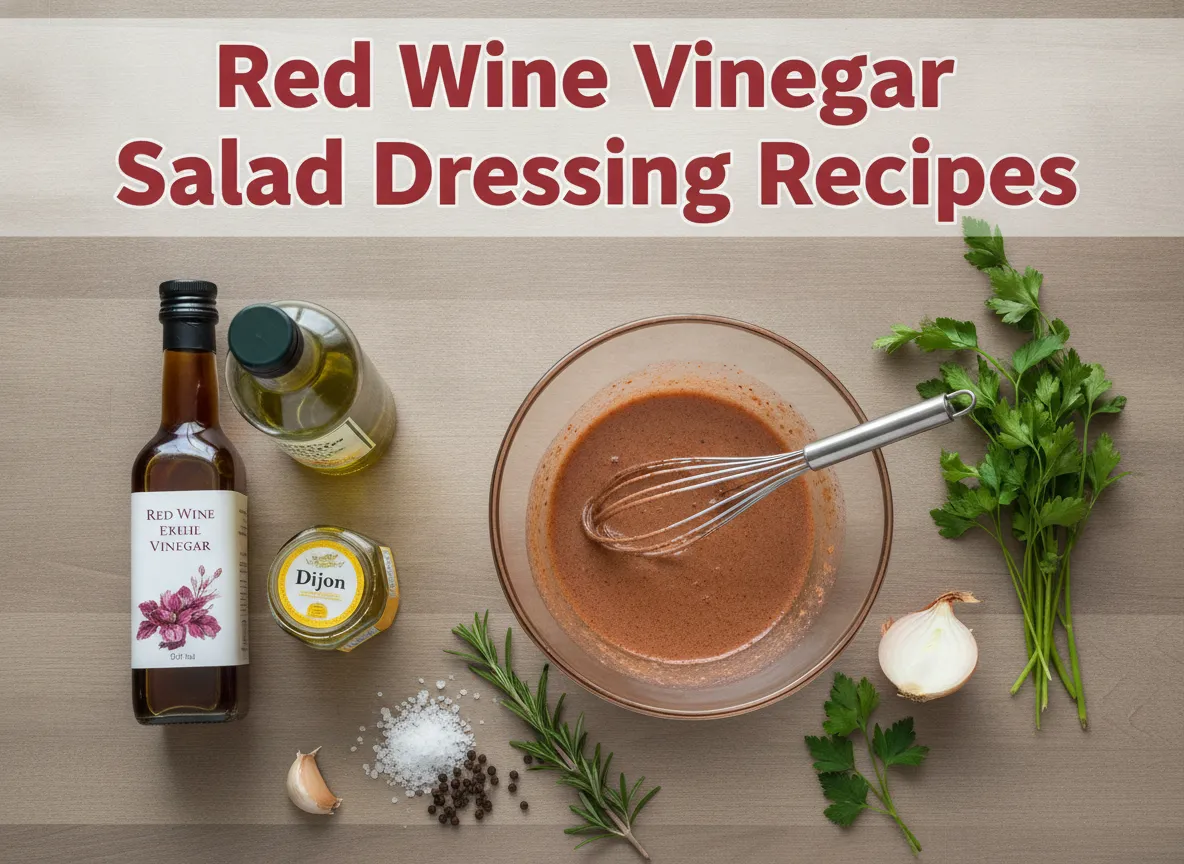
Whether you are feeding a crowd on a weeknight or plating a composed salad for a dinner party in 2026, these recipes cover every flavor profile — from classic vinaigrette to creamy vegan options — all built around the same versatile base ingredient.
Key Takeaways
- Red wine vinegar is an accessible, affordable base that produces complex, tangy dressings in under 10 minutes
- A proper oil-to-vinegar ratio (typically 2:1 or 3:1) is the single most important technical factor in any vinaigrette
- Dijon mustard acts as both a flavor enhancer and an emulsifier, keeping your dressing smooth and cohesive
- Most of these recipes are naturally gluten-free and can be made vegan with simple swaps
- Homemade dressings store well in sealed jars in the refrigerator for up to two weeks, making batch preparation practical
Why Red Wine Vinegar Belongs in Every Kitchen
Before diving into the recipes themselves, it helps to understand why red wine vinegar earns its place as a pantry cornerstone. Made by fermenting red wine, it carries a mild acidity (typically around 5 to 6 percent acetic acid) that is assertive enough to brighten flavors without overpowering delicate greens the way white distilled vinegar can.
From a culinary standpoint, red wine vinegar does three things exceptionally well. First, it cuts through the richness of olive oil to create a balanced dressing. Second, its subtle fruity undertone adds depth that plain lemon juice cannot always provide. Third, it pairs naturally with Mediterranean ingredients like garlic, herbs, and Parmesan — which explains why so many of the best salad dressings in the world are built around it.
From a health perspective, the American Heart Association has published its own red wine vinaigrette recipe using extra virgin olive oil, which is worth noting for anyone watching cardiovascular health [1]. The combination of heart-healthy fats from olive oil and the acetic acid in vinegar makes these dressings a genuinely nutritious choice compared to creamy, mayonnaise-based alternatives.
The Science of Emulsification
One concept that separates a mediocre vinaigrette from a restaurant-quality one is emulsification — the process of binding oil and vinegar into a stable, cohesive mixture. Oil and water-based liquids like vinegar naturally want to separate. Dijon mustard contains compounds called mucilage that act as a bridge between the two, creating a creamier, more stable texture. This is why nearly every professional chef’s vinaigrette includes at least a small amount of mustard.
A quick tip: always add the oil last, pouring it in slowly while whisking or shaking. This gives the emulsifier time to coat each oil droplet before the next one is introduced.
The 8 Easy Red Wine Vinegar Salad Dressing Recipes for Tangy, Restaurant-Quality Greens
These recipes are organized from the most foundational to the most flavor-forward. Each one is designed to be made in under 10 minutes with ingredients you likely already have on hand.
1. Classic American Heart Association Red Wine Vinaigrette
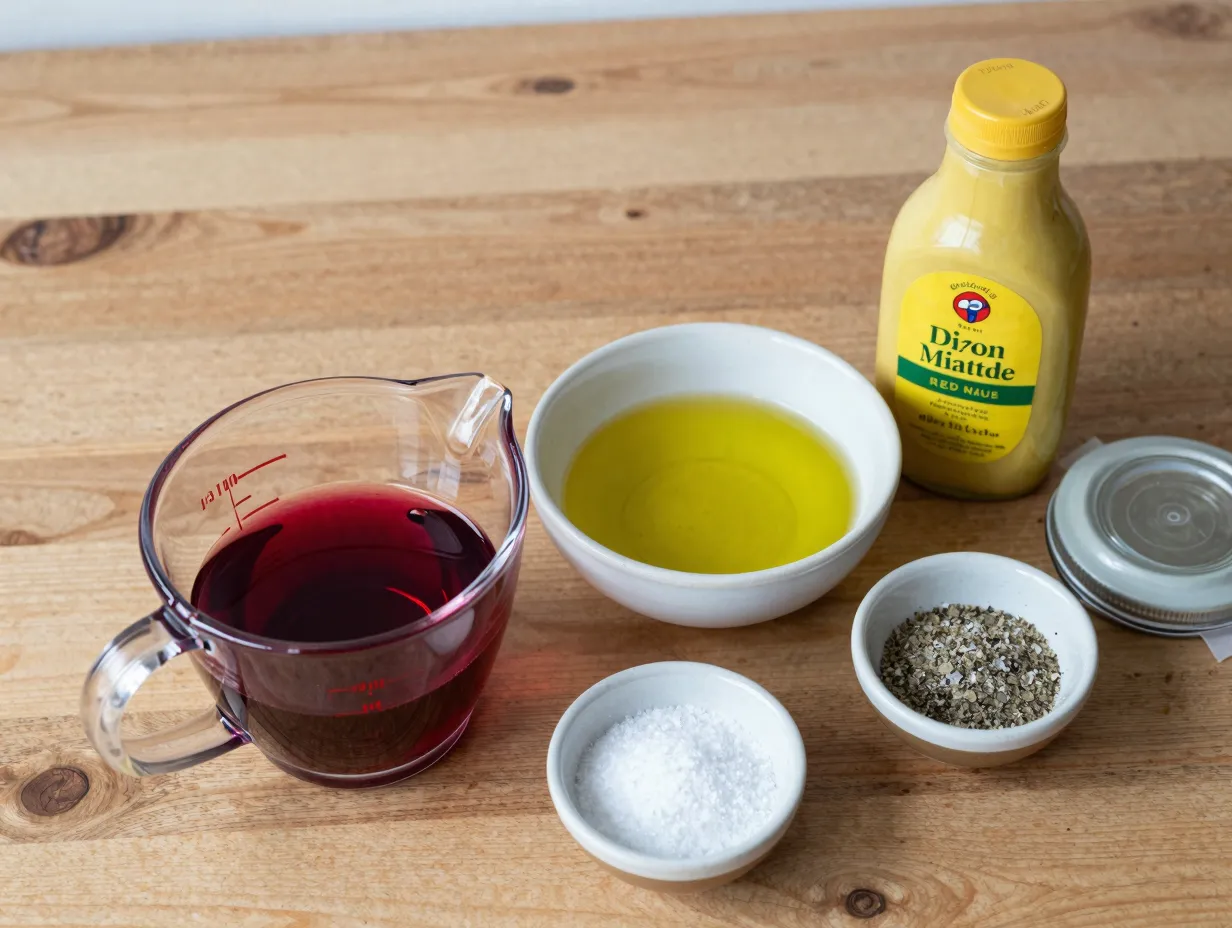
This is the recipe I recommend to anyone who has never made a homemade dressing before. Published by the American Heart Association, it is clean, balanced, and heart-healthy [1].
Ingredients:
- 1/3 cup red wine vinegar
- 1/2 cup extra virgin olive oil
- 1 tablespoon Dijon mustard
- 1/8 teaspoon salt
- 1/8 to 1/4 teaspoon black pepper
Method: Combine all ingredients in a jar with a tight-fitting lid and shake vigorously for 30 seconds. Taste and adjust seasoning.
Why it works: The 3:2 oil-to-vinegar ratio is slightly more acidic than a traditional French vinaigrette, which makes it particularly effective on sturdy greens like romaine or arugula. At approximately 163 calories per serving, it is also one of the lighter options on this list [1].
Best paired with: Romaine lettuce, cherry tomatoes, cucumber, and shaved Parmesan.
2. Simple Garlic-Parmesan Red Wine Vinegar Dressing
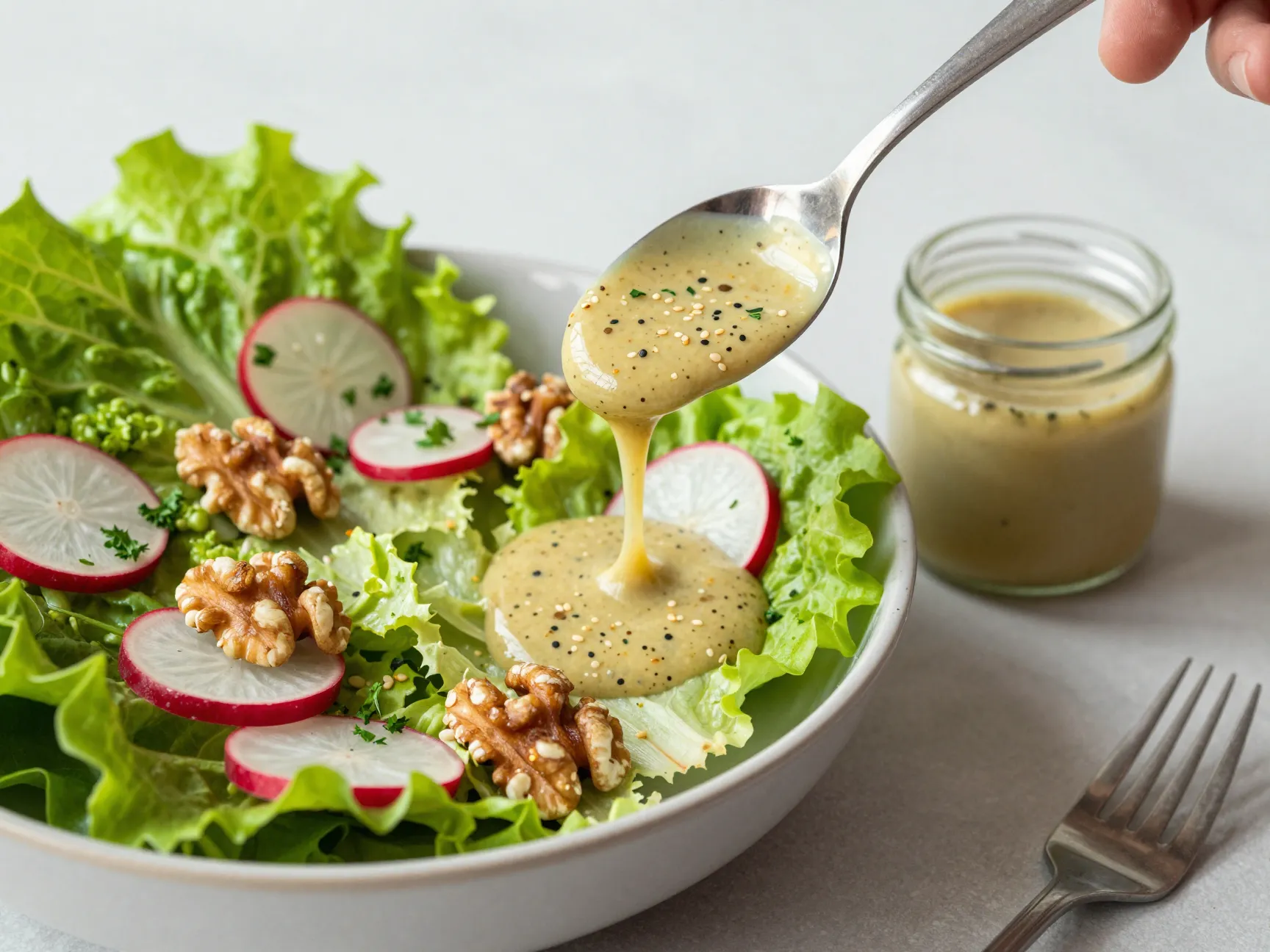
This recipe from Food.com layers sesame seeds, fresh parsley, and grated Parmesan over a garlic-infused red wine vinegar base for a rich, multi-dimensional flavor profile [2].
Ingredients:
- 1/2 cup garlic-flavored red wine vinegar
- 1 cup virgin olive oil
- 1 teaspoon sesame seeds
- 1 teaspoon fresh minced parsley
- 1 teaspoon grated Parmesan cheese
- 1 teaspoon black pepper
Method: Combine all ingredients in a sealed jar and shake well before each use.
Why it works: The sesame seeds add a subtle nuttiness that makes this dressing feel more complex than its short ingredient list suggests. The higher oil-to-vinegar ratio (2:1) produces a milder, rounder acidity that works well on delicate lettuces.
Best paired with: Butter lettuce, sliced radishes, and toasted walnuts.
3. Shallot and Dijon Red Wine Vinegar Dressing
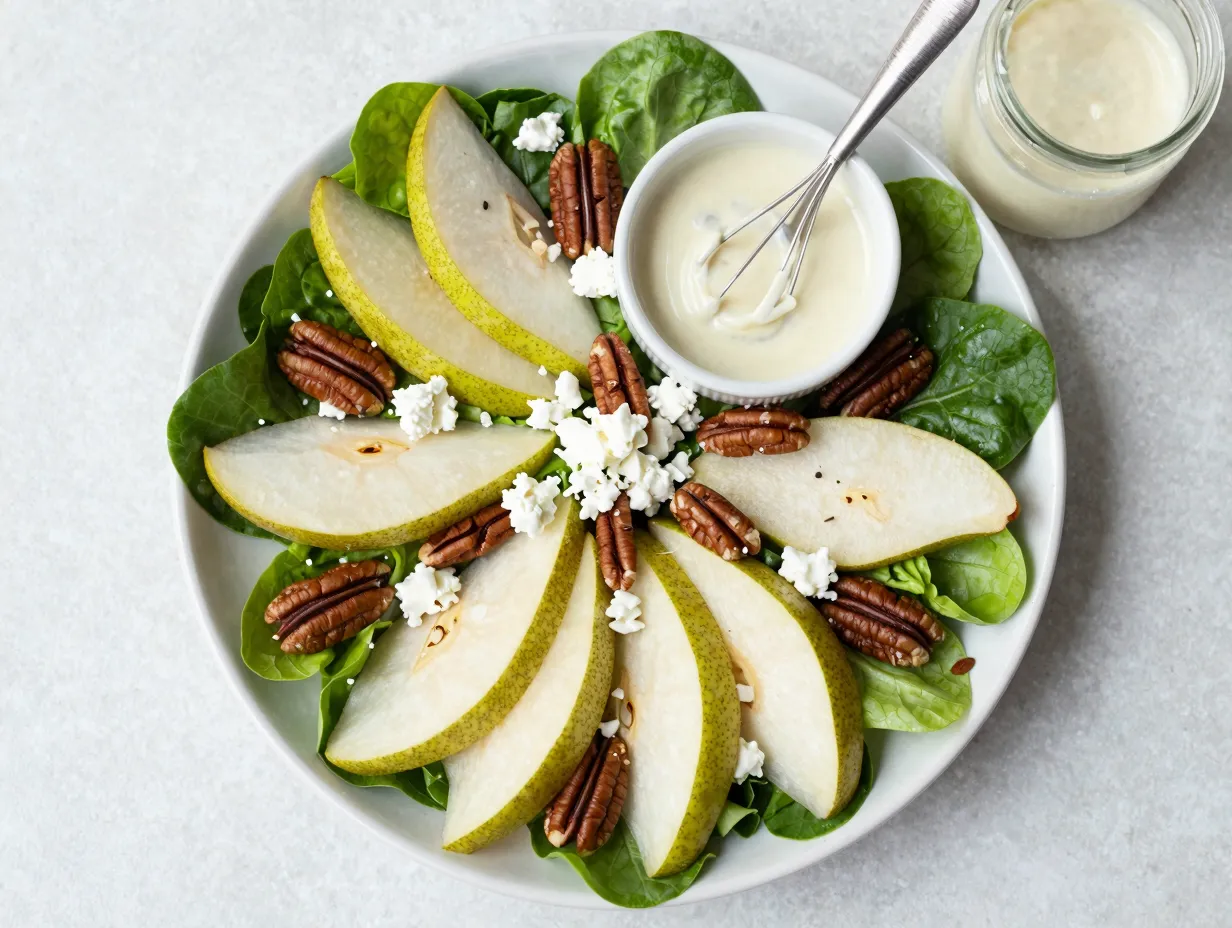
This five-minute recipe from Healthy Seasonal Recipes is one of the most versatile on this list [5]. The finely minced shallot adds a gentle sweetness and mild onion flavor without the sharpness of raw garlic.
Ingredients:
- 1 small shallot, finely minced
- 3 tablespoons red wine vinegar
- 1 teaspoon Dijon mustard
- 1/4 teaspoon salt
- 1/4 teaspoon black pepper
- 1/3 cup extra-virgin olive oil
Method: Whisk together the shallot, vinegar, mustard, salt, and pepper. Slowly drizzle in the olive oil while whisking constantly until the dressing emulsifies.
Why it works: Mincing the shallot very finely — almost to a paste — allows it to melt into the dressing rather than sitting as chunks. This technique is used in French bistro kitchens to create a smoother, more elegant vinaigrette [5].
Best paired with: Mixed greens, goat cheese, candied pecans, and sliced pears.
4. Classic Italian Garlic and Red Wine Vinegar Dressing
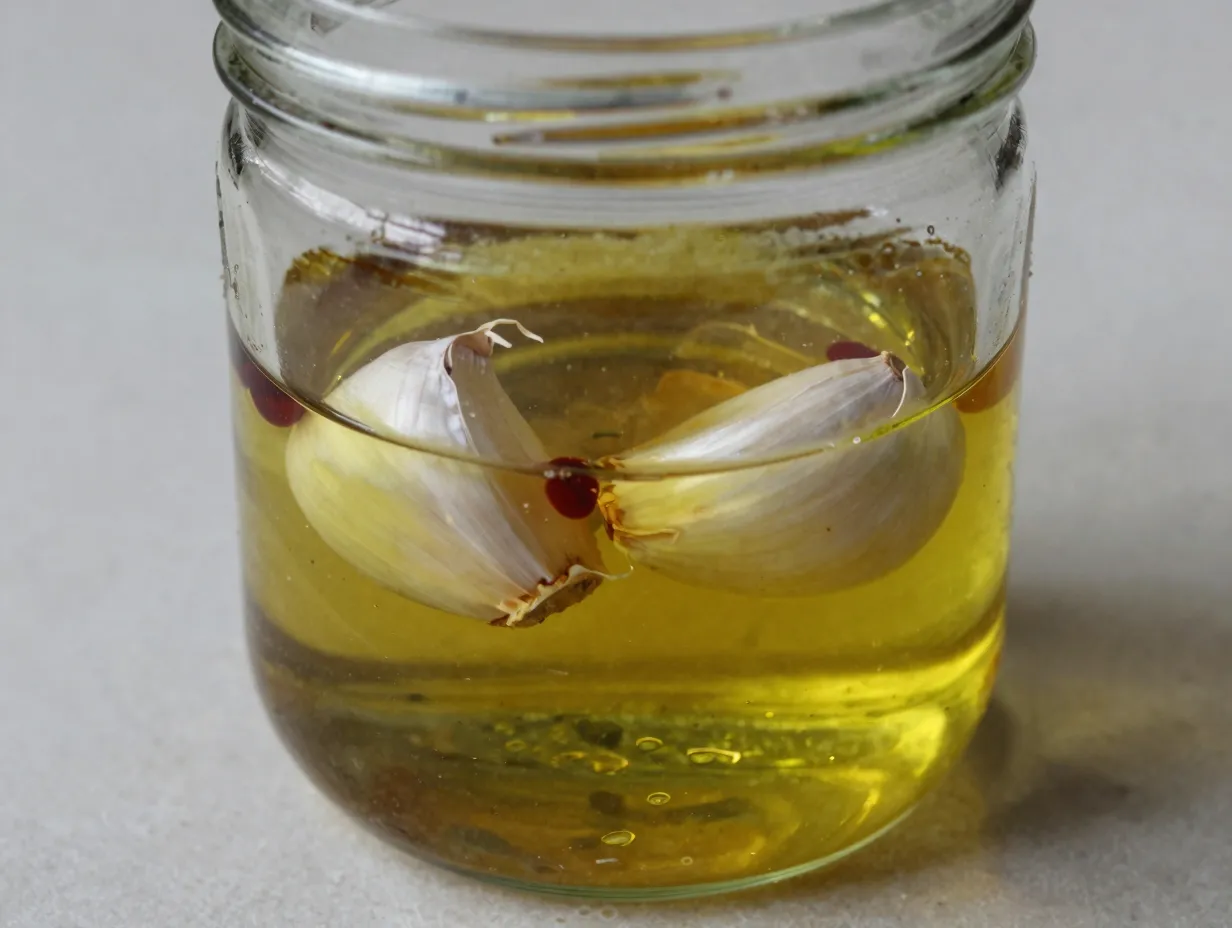
Sometimes the simplest combinations are the most satisfying. This three-ingredient dressing from Food.com strips everything back to the essentials: olive oil, red wine vinegar, and crushed garlic [6].
Ingredients:
- 1/2 cup extra virgin olive oil
- 3 tablespoons red wine vinegar
- 2 cloves garlic, crushed
Method: Combine all three ingredients in a jar. Let the garlic steep for at least 15 minutes before using to allow the flavor to infuse into the oil.
Why it works: Steeping the garlic is the key step here. Raw garlic added directly to a salad can be harsh; infused into oil, it becomes mellow and aromatic. This dressing improves significantly if you let it sit for a few hours [6].
Best paired with: Classic Caesar-style romaine, Italian antipasto salads, or as a marinade for grilled vegetables.
5. Honey-Garlic Red Wine Vinegar Vinaigrette
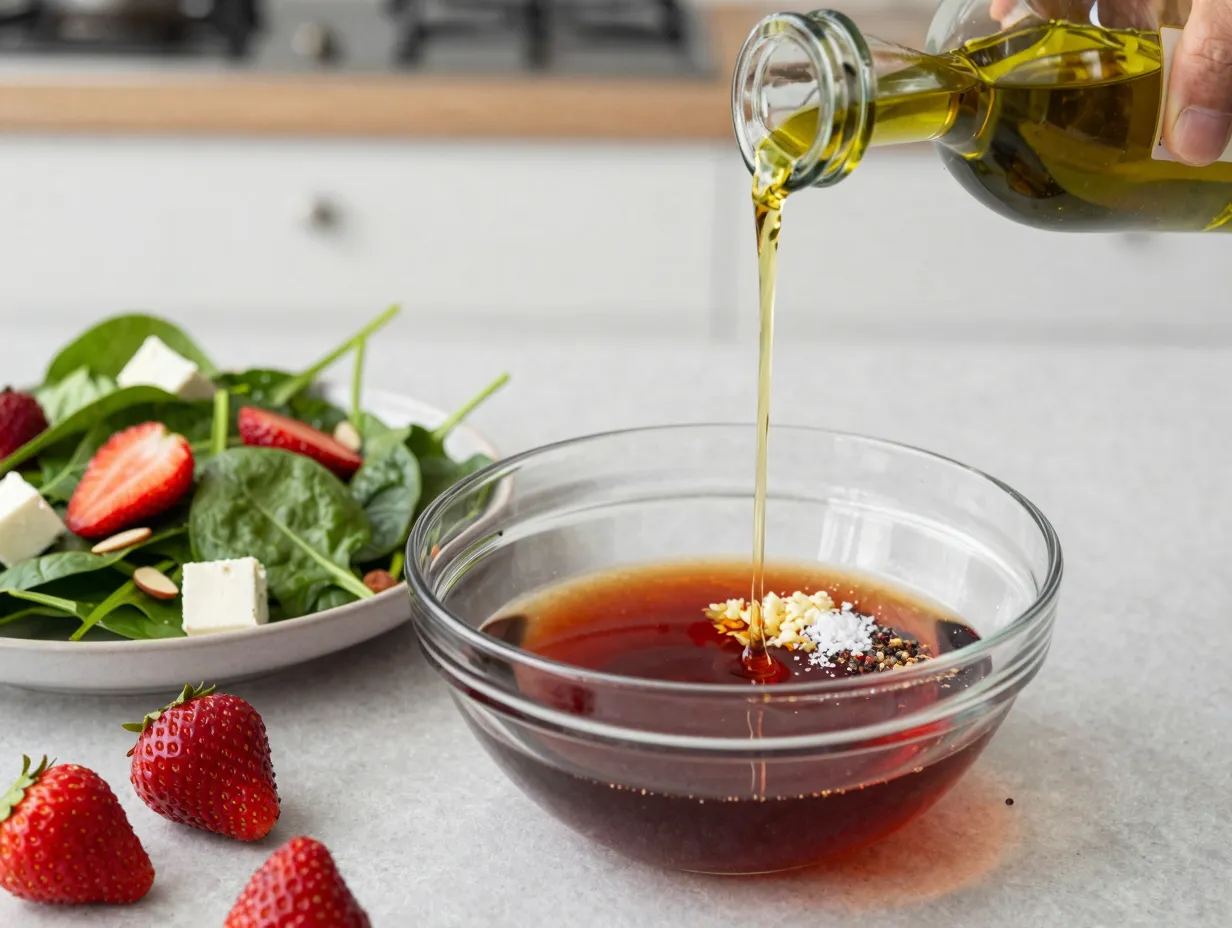
The Seasoned Mom’s six-ingredient recipe adds honey to the classic vinaigrette formula, creating a sweet-tangy balance that appeals to a wide range of palates [7]. I have served this at dinner parties more times than I can count, and it consistently earns compliments.
Ingredients:
- 3 tablespoons red wine vinegar
- 1 teaspoon honey
- 1 clove garlic, minced
- 1/4 teaspoon salt
- 1/4 teaspoon black pepper
- 1/3 cup extra virgin olive oil
Method: Whisk together all ingredients except the olive oil. Add the oil in a slow, steady stream while whisking until emulsified. Alternatively, combine everything in a jar and shake vigorously.
Why it works: Honey serves a dual purpose — it adds sweetness and also helps stabilize the emulsion. Even a small amount makes the dressing cling better to greens, reducing the pool of dressing that collects at the bottom of the bowl [7].
Best paired with: Spinach, strawberries, sliced almonds, and feta cheese.
6. Agave-Sweetened Vegan Red Wine Vinegar Dressing
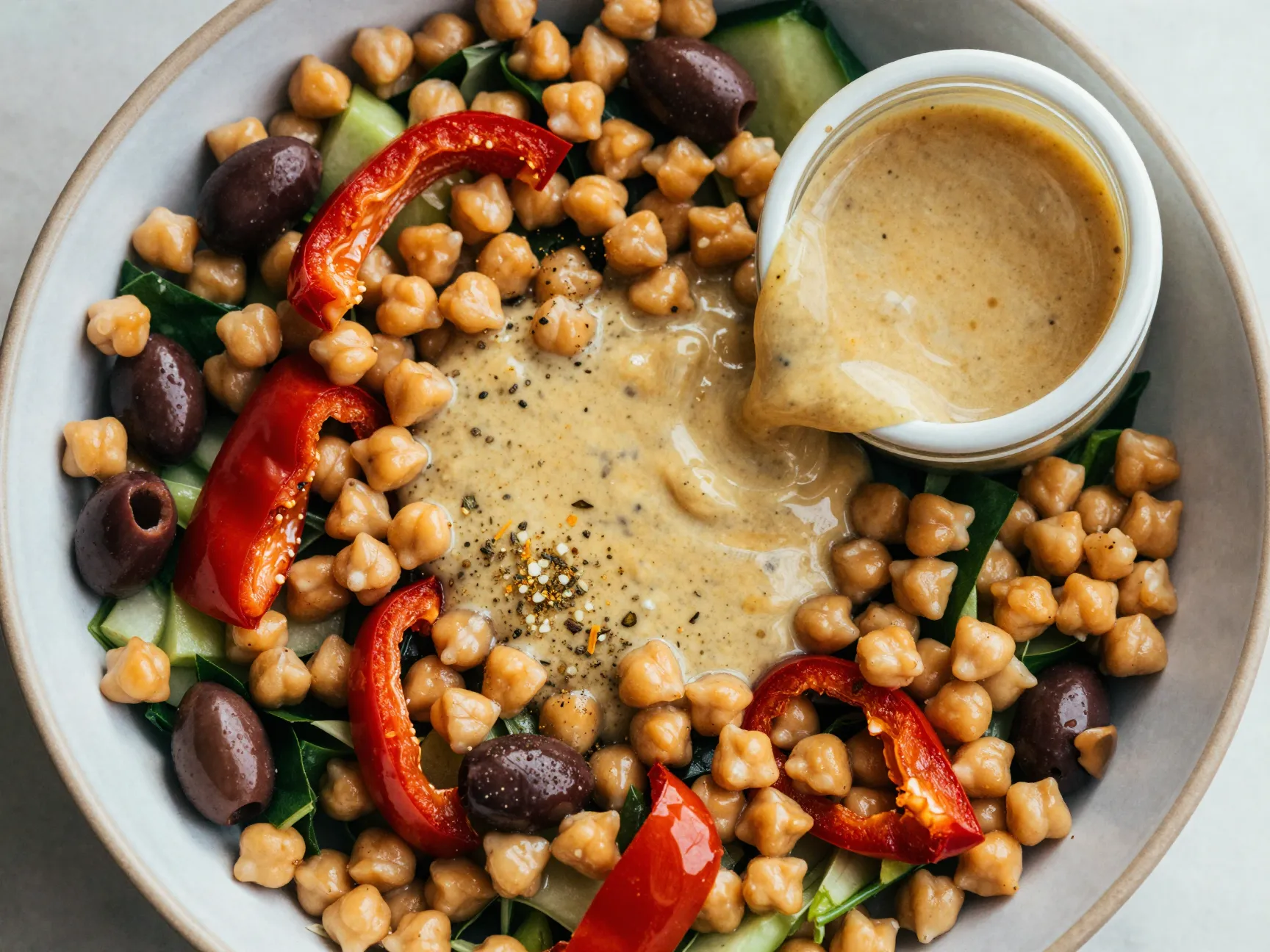
For anyone following a vegan diet or simply avoiding honey, this recipe from Olive and Cocoa substitutes agave nectar as the sweetener [4]. It is also naturally gluten-free.
Ingredients:
- 3 tablespoons red wine vinegar
- 1 teaspoon agave nectar
- 1 teaspoon Dijon mustard
- 1/4 teaspoon garlic powder
- 1/4 teaspoon onion powder
- 1/4 teaspoon dried oregano
- Salt and pepper to taste
- 1/3 cup extra virgin olive oil
Method: Combine all ingredients in a small bowl or jar. Whisk or shake until fully combined.
Why it works: Agave has a lower glycemic index than refined sugar and a neutral flavor that does not compete with the vinegar the way some sweeteners can. The dried herbs add an Italian-inspired earthiness that makes this dressing feel more substantial [4].
Best paired with: Chopped salads with chickpeas, roasted red peppers, and Kalamata olives.
7. Creamy Thyme and Tamari Red Wine Vinegar Dressing
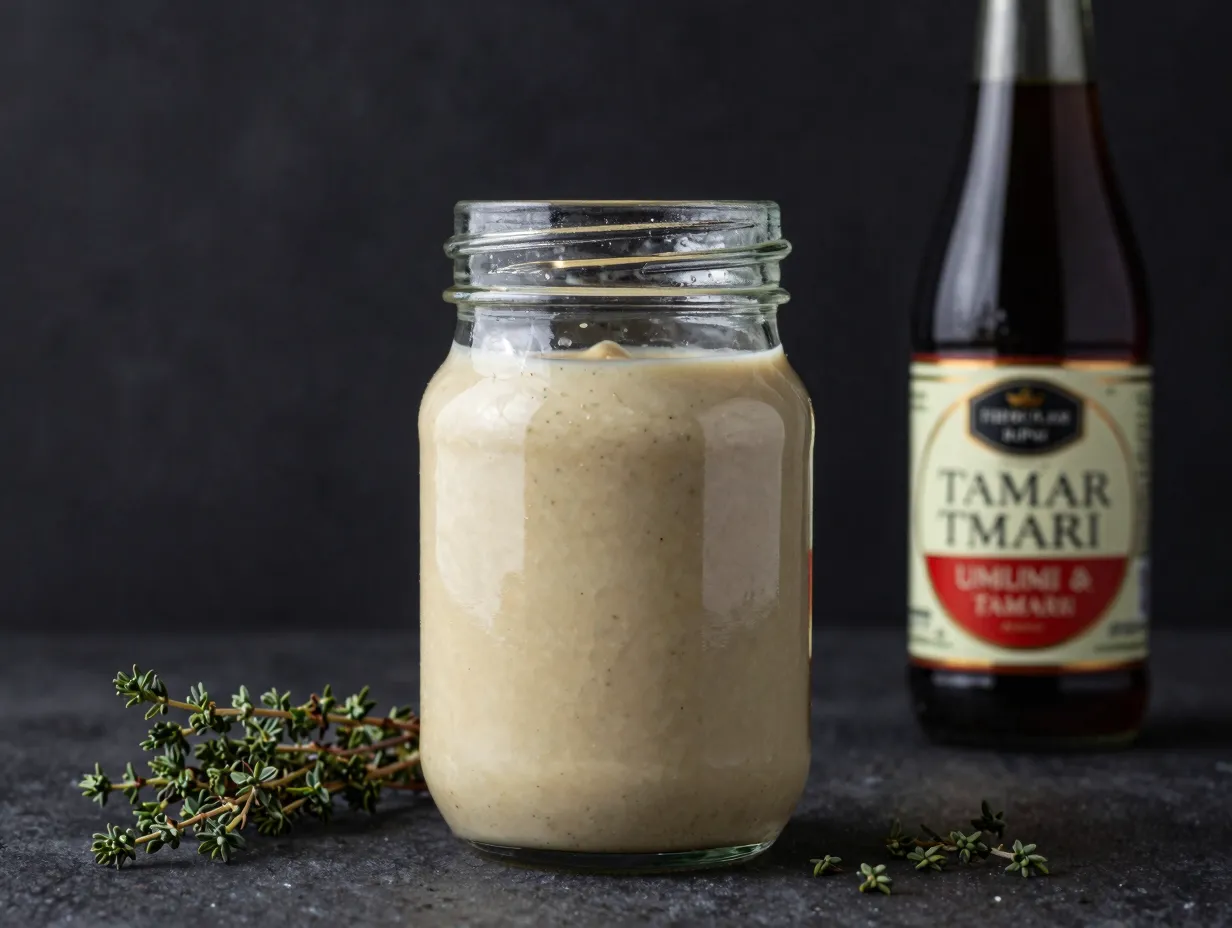
This recipe from The First Mess is the most unexpected entry on this list — and one of the most rewarding [3]. It combines fresh thyme, Tamari (a gluten-free soy sauce alternative), and Dijon mustard with red wine vinegar to create a creamy, umami-forward dressing that is entirely plant-based.
Ingredients:
- 2 tablespoons red wine vinegar
- 1 teaspoon Dijon mustard
- 1 teaspoon Tamari
- 1 teaspoon fresh thyme leaves
- 1 small garlic clove, minced
- Pinch of sweetener (maple syrup or agave)
- 1/4 cup extra virgin olive oil
- Salt and pepper to taste
Method: Combine all ingredients in a jar. Seal and shake vigorously until the dressing looks creamy and cohesive. Taste and adjust salt and sweetener as needed.
Why it works: Tamari adds a savory depth that you cannot quite identify but cannot ignore. It rounds out the sharpness of the vinegar and makes the dressing taste like it came from a high-end restaurant kitchen [3]. The fresh thyme contributes a floral, herbal note that elevates the whole composition.
Best paired with: Kale salads, roasted beet and walnut salads, or grain bowls with farro and roasted vegetables.
8. Balanced Sweet-Salty-Tangy Red Wine Vinegar Dressing
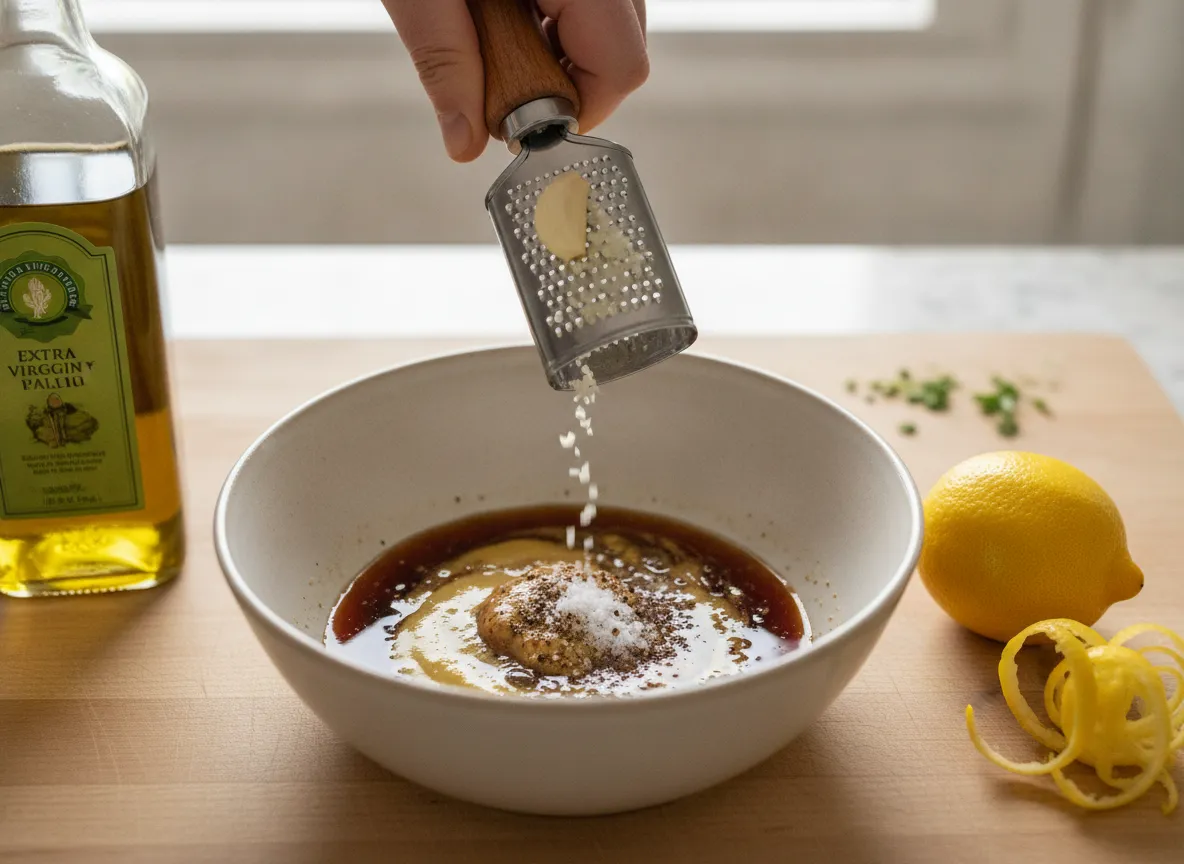
The final recipe, inspired by Our Nourishing Table, is designed specifically to hit all three primary flavor notes simultaneously: sweet, salty, and tangy [8]. It is the most complete, restaurant-ready dressing on this list.
Ingredients:
- 3 tablespoons red wine vinegar
- 1 teaspoon honey or maple syrup
- 1 teaspoon Dijon mustard
- 1 small garlic clove, finely grated
- 1/4 teaspoon fine sea salt
- Freshly cracked black pepper
- 1/3 cup extra virgin olive oil
- Optional: 1 teaspoon finely grated lemon zest
Method: Grate the garlic directly into a small bowl using a microplane. Add the vinegar, honey, mustard, salt, and pepper and whisk to combine. Slowly pour in the olive oil while whisking continuously. Add lemon zest if using.
Why it works: Grating the garlic on a microplane rather than mincing it creates an almost paste-like consistency that incorporates seamlessly into the dressing, eliminating any harsh raw garlic bite. The optional lemon zest adds a brightness that makes this dressing feel genuinely fresh [8].
Best paired with: Any green salad, but particularly outstanding on a classic house salad with red onion, cucumber, and cherry tomatoes.
Tips for Making Restaurant-Quality Dressings at Home
Understanding the recipes is one thing. Executing them at the level of a professional kitchen requires a few additional habits.
Use Quality Ingredients
The quality of your red wine vinegar matters more than most people realize. A well-aged red wine vinegar from a reputable producer will have a smoother, more complex flavor than a budget supermarket version. The same applies to olive oil — extra virgin, cold-pressed olive oil contributes fruity, peppery notes that a refined olive oil simply cannot match.
Master the Ratio
The standard French vinaigrette ratio is 3 parts oil to 1 part vinegar. However, several of the recipes above use a 2:1 ratio for a more assertive, tangy result. Neither is wrong — it depends entirely on the greens you are dressing and your personal preference. Bitter greens like endive and radicchio benefit from a higher oil ratio to soften their edge, while neutral greens like iceberg can handle more acidity.
| Ratio (Oil:Vinegar) | Flavor Profile | Best For |
|---|---|---|
| 3:1 | Mild, rounded | Delicate lettuces, butter lettuce |
| 2:1 | Balanced, classic | Mixed greens, romaine |
| 1.5:1 | Bold, tangy | Arugula, kale, bitter greens |
Season at Every Stage
Professional chefs season at multiple points during preparation, not just at the end. For dressings, this means adding a pinch of salt to the vinegar before the oil goes in. Salt dissolves more readily in the acidic liquid than it does in oil, which means it distributes more evenly throughout the finished dressing.
Store and Serve Correctly
All of these dressings store well in sealed glass jars in the refrigerator for up to two weeks. Because olive oil solidifies when chilled, remove the jar from the refrigerator 10 to 15 minutes before serving and give it a vigorous shake to re-emulsify. Never dress greens more than five minutes before serving — the acid in the vinegar will begin to wilt the leaves almost immediately.
Common Mistakes to Avoid
Even experienced home cooks make a few recurring errors with vinaigrettes. Here are the most common ones and how to fix them.
Adding oil too quickly: Pouring oil in all at once prevents proper emulsification. Always add it in a slow, steady stream.
Skipping the emulsifier: Without Dijon mustard or another emulsifier, your dressing will separate within minutes. Even half a teaspoon makes a significant difference.
Under-seasoning: Dressings need more salt than you think because they are diluted across an entire bowl of greens. Taste the dressing on an actual leaf of lettuce, not just on a spoon, to get an accurate sense of the seasoning level.
Using cold oil straight from the refrigerator: Cold olive oil is viscous and difficult to emulsify. Let it come to room temperature before making your dressing.
Not tasting before serving: Every batch of red wine vinegar is slightly different in acidity. Always taste and adjust before pouring over your greens.
Conclusion
The 8 easy red wine vinegar salad dressing recipes for tangy, restaurant-quality greens covered in this article represent a complete toolkit for anyone who wants to elevate their salads beyond the bottled dressing aisle. From the clean simplicity of the American Heart Association’s classic vinaigrette [1] to the umami-rich complexity of the thyme and Tamari version [3], there is a recipe here for every palate, dietary preference, and occasion.
Here are your actionable next steps:
- Start with Recipe 1 or Recipe 3 if you are new to homemade dressings — both are forgiving and reliably delicious.
- Invest in a good quality red wine vinegar and extra virgin olive oil. The ingredient quality has an outsized impact on the final result.
- Make a double batch of your favorite recipe on Sunday and store it in a jar in the refrigerator. Having a great dressing ready to go makes it dramatically easier to eat more salads throughout the week.
- Experiment with the oil-to-vinegar ratio once you are comfortable with the basic technique. Small adjustments produce noticeably different results.
- Try the creamy thyme and Tamari version [3] at least once even if it sounds unusual — it is consistently the recipe that surprises people most.
A great salad dressing is not a luxury reserved for restaurants. With a jar, a whisk, and a bottle of red wine vinegar, you are about five minutes away from something genuinely excellent.
References
[1] Red Wine Vinaigrette Quick Salad Dressing – https://recipes.heart.org/en/recipes/red-wine-vinaigrette-quick-salad-dressing?utm_source=openai
[2] Simple Red Wine Vinegar Salad Dressing 8945 – https://www.food.com/recipe/simple-red-wine-vinegar-salad-dressing-8945?utm_source=openai
[3] Easy Red Wine Vinegar Dressing With Thyme – https://thefirstmess.com/2023/08/18/easy-red-wine-vinegar-dressing-with-thyme/?utm_source=openai
[4] Red Wine Vinegar Salad Dressing With Agave – https://www.oliveandcocoa.com/red-wine-vinegar-salad-dressing-with-agave?utm_source=openai
[5] Red Wine Vinegar Salad Dressing – https://www.healthyseasonalrecipes.com/red-wine-vinegar-salad-dressing/?utm_source=openai
[6] Garlic Red Wine Vinegar Salad Dressing 37183 – https://www.food.com/recipe/garlic-red-wine-vinegar-salad-dressing-37183?utm_source=openai
[7] Green Salad – https://www.theseasonedmom.com/green-salad/?utm_source=openai
[8] Red Wine Vinegar Dressing – https://ournourishingtable.com/red-wine-vinegar-dressing/?utm_source=openai