8 Mojitos Recipe Variations You Need to Try (Classic & Beyond)
The mojito outsells nearly every other rum cocktail in the world, yet most people have only ever tasted one version of it. That single experience — white rum, mint, lime, sugar, soda — barely scratches the surface of what this drink can become. The 8 Mojitos Recipe Variations You Need to Try (Classic & Beyond) explored in this guide range from the textbook Havana original to bold, fruit-forward twists that will permanently change how you think about this iconic cocktail.
Disclosure: This post contains affiliate links. As an Amazon Associate, we earn from qualifying purchases, and at no extra cost to you.
I first encountered a strawberry-basil mojito at a rooftop bar in Miami, and it genuinely stopped me mid-sip. It had all the refreshing brightness of the classic but with a depth I had never associated with the category. That moment sent me down a rabbit hole of mojito research, recipe testing, and more than a few late evenings with a muddler. What I found is that the mojito’s simple structure makes it one of the most adaptable cocktails ever created.
Key Takeaways
- The classic Cuban mojito uses a precise ratio of white rum, fresh lime juice, sugar, mint, and soda water that serves as the foundation for every variation.
- Swapping one or two core ingredients — the spirit, the sweetener, or the citrus — is enough to create an entirely new drink experience.
- Fruit-based mojitos such as strawberry, mango, and watermelon are among the most popular modern variations and are easy to make at home.
- Non-alcoholic (virgin) mojitos deliver the same refreshing profile without rum, making the format inclusive for all guests.
- Muddling technique, ice quality, and fresh ingredients matter more in a mojito than in almost any other cocktail.
Why the Mojito Is the Perfect Canvas for Creativity
Before diving into the 8 Mojitos Recipe Variations You Need to Try (Classic & Beyond), it helps to understand why this particular cocktail lends itself so well to experimentation. The mojito’s structure is deceptively simple: a spirit, a souring agent, a sweetener, an aromatic herb, and a lengthening agent. Each of those five components can be swapped, layered, or amplified without breaking the drink’s fundamental logic [1].
The original recipe traces its roots to Cuba, where it became a staple in Havana bars during the early twentieth century. Ernest Hemingway famously drank them at La Bodeguita del Medio, and the cocktail’s global popularity exploded in the late 1990s and early 2000s [5]. Today, bartenders across the world treat the mojito as a starting point rather than a fixed destination.
What Makes a Mojito a Mojito
A drink earns the mojito label when it contains these core elements:
- Fresh mint: Muddled gently to release aromatic oils without turning bitter
- Lime juice: Freshly squeezed, never bottled
- Sweetener: Simple syrup or granulated sugar
- A base spirit: Traditionally white rum
- Carbonation: Club soda or sparkling water
Change the spirit, add fruit, or adjust the sweetener, and you still have a mojito — just a more personal one [2].
The Right Muddling Technique
One mistake that ruins more mojitos than any wrong ingredient is aggressive muddling. Press the mint firmly enough to bruise the leaves and release the essential oils, but stop before the leaves tear and turn the drink grassy and bitter. Ten to twelve gentle presses with a flat-bottomed muddler is the standard approach used by most professional bartenders [9].
The 8 Mojitos Recipe Variations You Need to Try (Classic & Beyond)
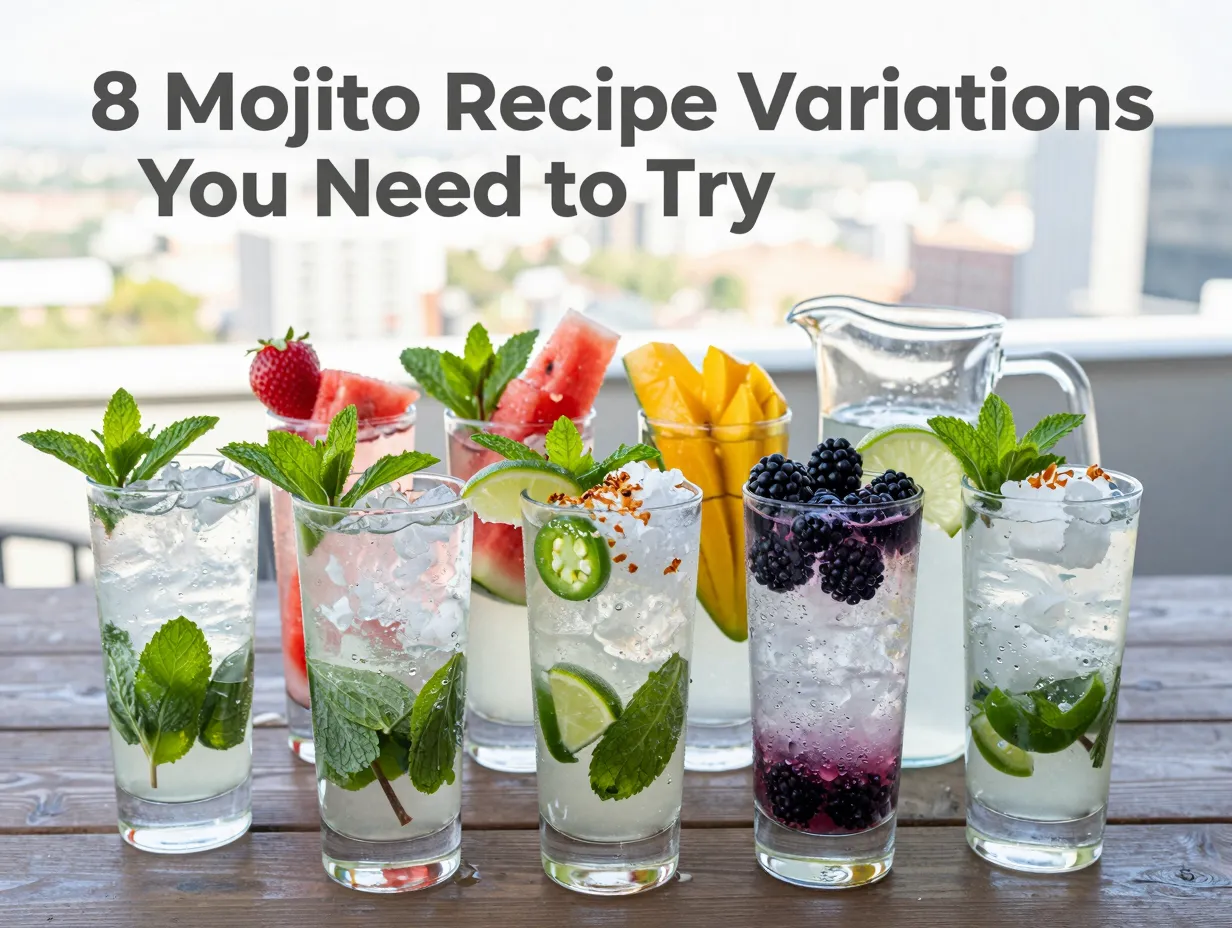
Here are eight carefully selected mojito recipes, ordered from the foundational classic to the most adventurous interpretations. Each one builds on the skills and ratios from the one before it.
1. The Classic Cuban Mojito
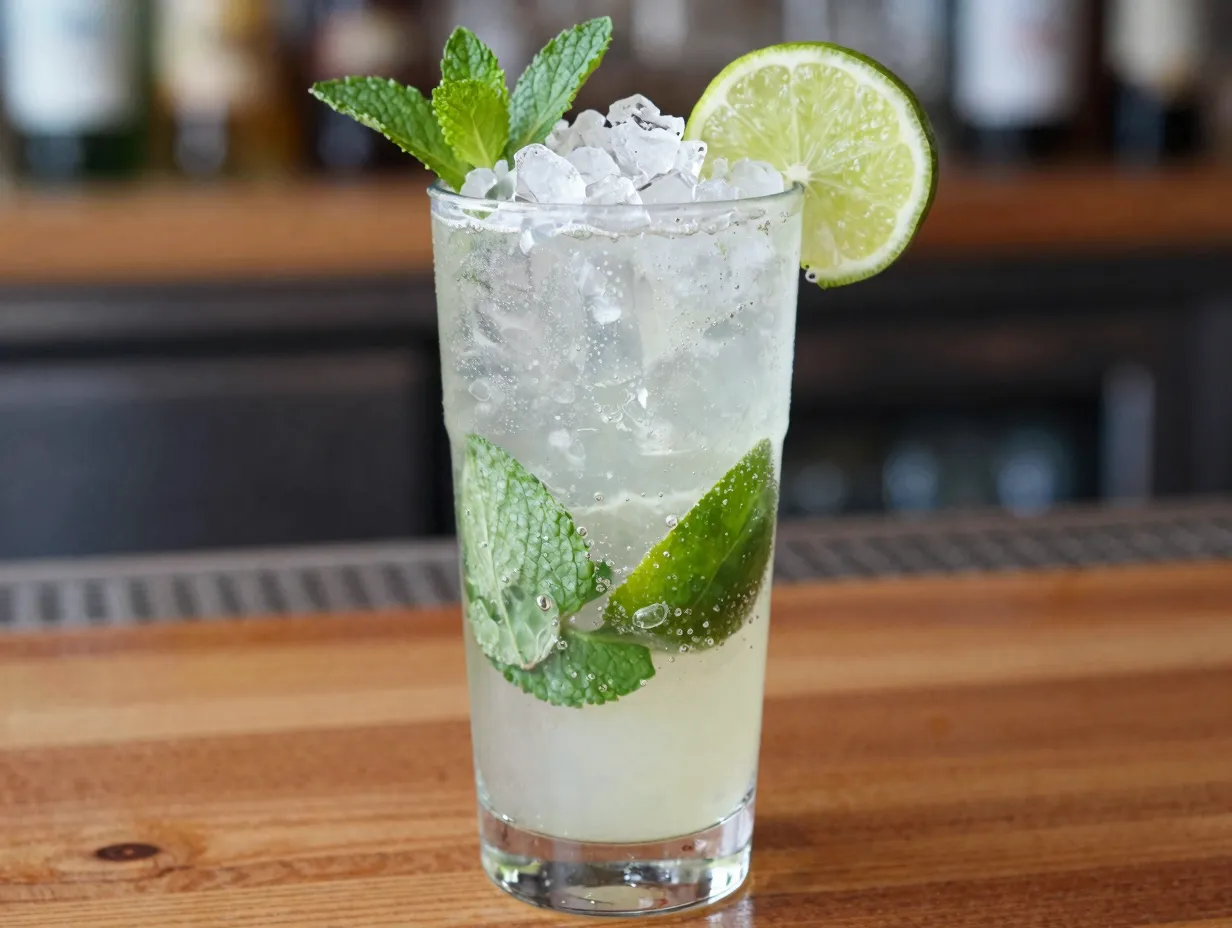
No list of mojito variations is complete without the original, and the classic Cuban mojito deserves more respect than it often gets. Expert sources are remarkably consistent about the core spec: 2 ounces of white rum, 1 ounce of fresh lime juice, 3/4 ounce of simple syrup (or 2 teaspoons of granulated sugar), 8 to 10 fresh mint leaves, and 2 to 3 ounces of club soda [1][5].
How to make it:
- Add mint and sugar to a highball glass
- Muddle gently for about 10 seconds
- Add lime juice and rum
- Fill with crushed ice
- Top with club soda
- Stir lightly and garnish with a mint sprig and lime wheel
The key to an exceptional classic mojito is ingredient quality. Use a light-bodied Cuban-style white rum such as Bacardi Superior or Havana Club 3-Year. The mint should be spearmint, not peppermint, which is far too intense [5]. This recipe is the benchmark against which every other variation on this list is measured.
2. Strawberry Mojito
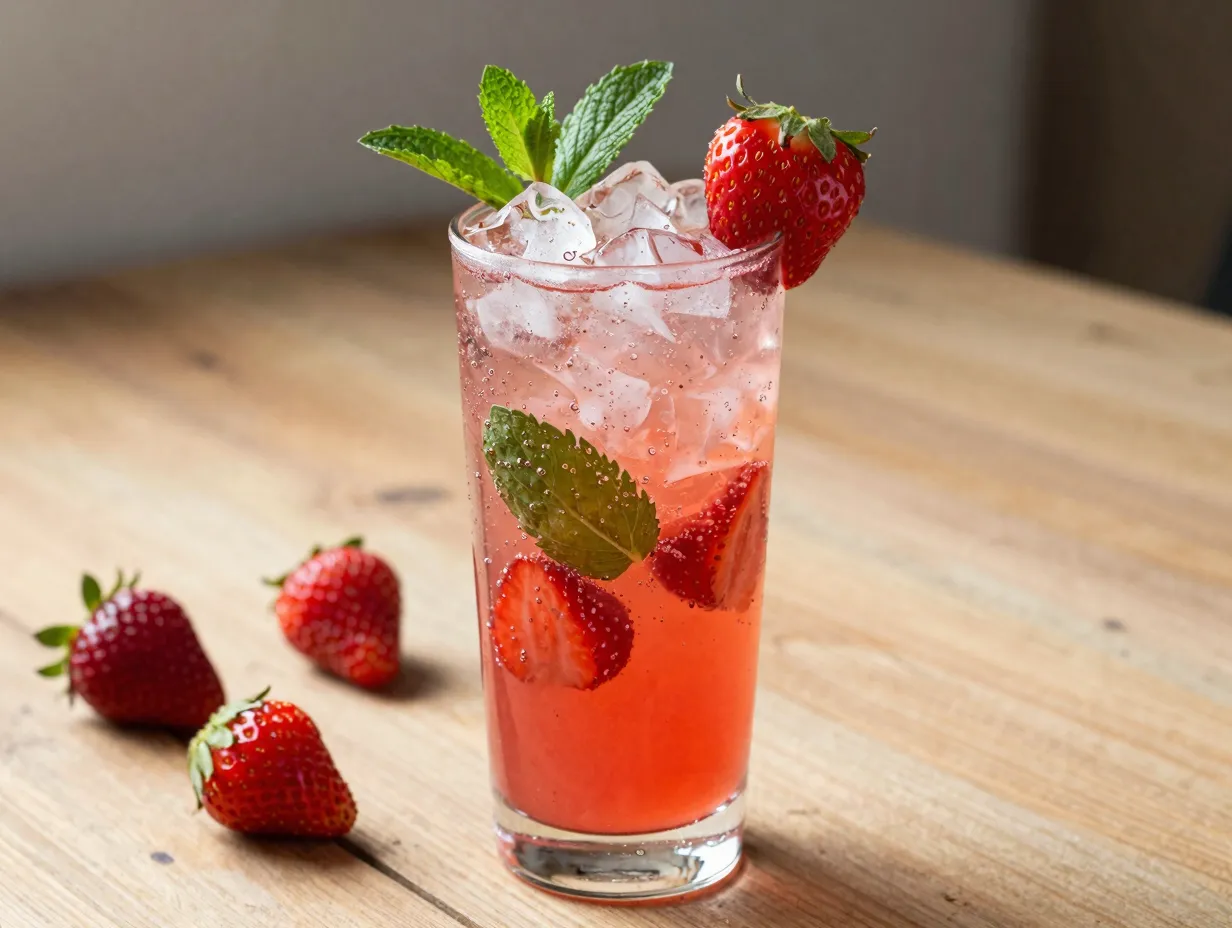
The strawberry mojito is consistently one of the most searched mojito variations online, and for good reason — ripe strawberries and fresh mint share a natural affinity that feels almost inevitable [2][6]. The fruit adds sweetness, color, and a slight tartness that complements the lime without overwhelming it.
Ingredients:
- 4 to 5 fresh strawberries, hulled and halved
- 8 mint leaves
- 3/4 ounce simple syrup
- 1 ounce fresh lime juice
- 2 ounces white rum
- Club soda to top
Method: Muddle the strawberries and mint together first, then add the remaining ingredients. Double-strain if you prefer a cleaner texture, or leave the fruit pulp in for a more rustic presentation. Garnish with a whole strawberry and a mint sprig [4].
A small tip from my own testing: reduce the simple syrup by half when the strawberries are very ripe. Overripe fruit brings enough natural sugar that extra sweetener pushes the drink into dessert territory.
3. Watermelon Mojito
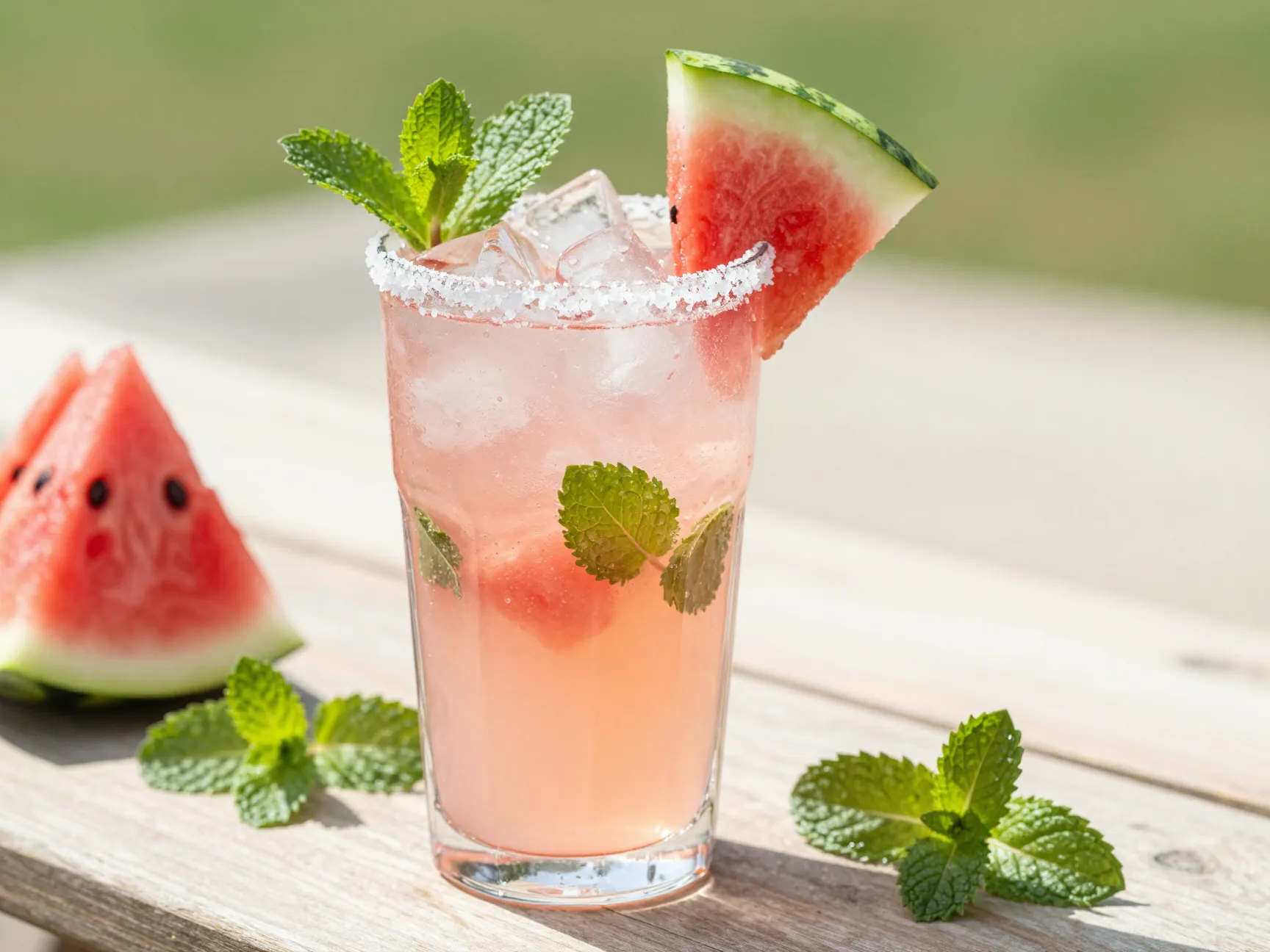
Few ingredients capture summer as efficiently as watermelon, and the watermelon mojito has become a warm-weather staple at backyard gatherings and rooftop bars alike [6][7]. The fruit’s high water content means it integrates beautifully with club soda, creating a drink that feels lighter than its strawberry counterpart.
Ingredients:
- 1/2 cup fresh watermelon chunks (seedless)
- 8 mint leaves
- 1 ounce fresh lime juice
- 3/4 ounce simple syrup
- 2 ounces white rum
- Club soda to top
Method: Muddle the watermelon and mint together until the watermelon is fully broken down. Add lime juice, simple syrup, and rum. Fill with crushed ice and top with club soda. A small pinch of flaky sea salt on the rim elevates the watermelon flavor significantly — salt amplifies sweetness and suppresses bitterness [8].
This variation works particularly well as a large-batch cocktail. Blend the watermelon in advance, strain it, and mix with the other ingredients in a pitcher. Add club soda and mint at serving time.
4. Mango Mojito
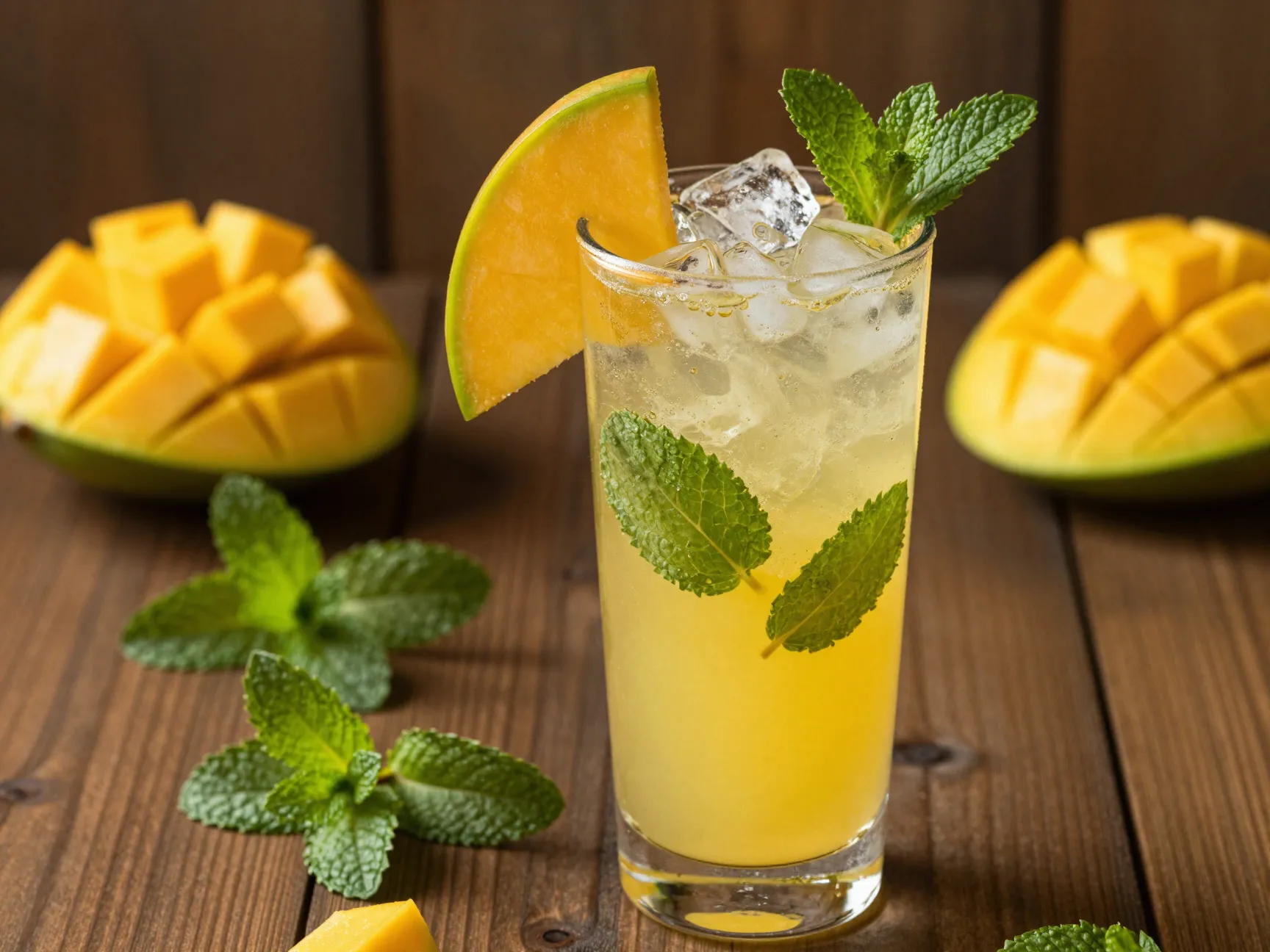
Mango brings a tropical richness to the mojito format that rum — a spirit distilled from sugarcane, itself a tropical crop — seems almost designed to complement [3][10]. The mango mojito is bolder and more aromatic than the watermelon or strawberry versions, and it pairs especially well with aged rum if you want to experiment beyond the classic white rum base.
Ingredients:
- 1/4 cup fresh mango chunks (or 2 ounces mango puree)
- 8 mint leaves
- 1 ounce fresh lime juice
- 1/2 ounce simple syrup (mango is naturally sweet)
- 2 ounces white rum
- Club soda to top
Method: Muddle fresh mango and mint, then proceed as with the classic recipe. If using puree, skip the muddling and shake the puree, lime juice, rum, and syrup with ice before straining into the glass [10]. Garnish with a mango slice and mint sprig.
“The mango mojito is what happens when the tropics meet Havana — it tastes like the rum never left home.”
5. Coconut Mojito
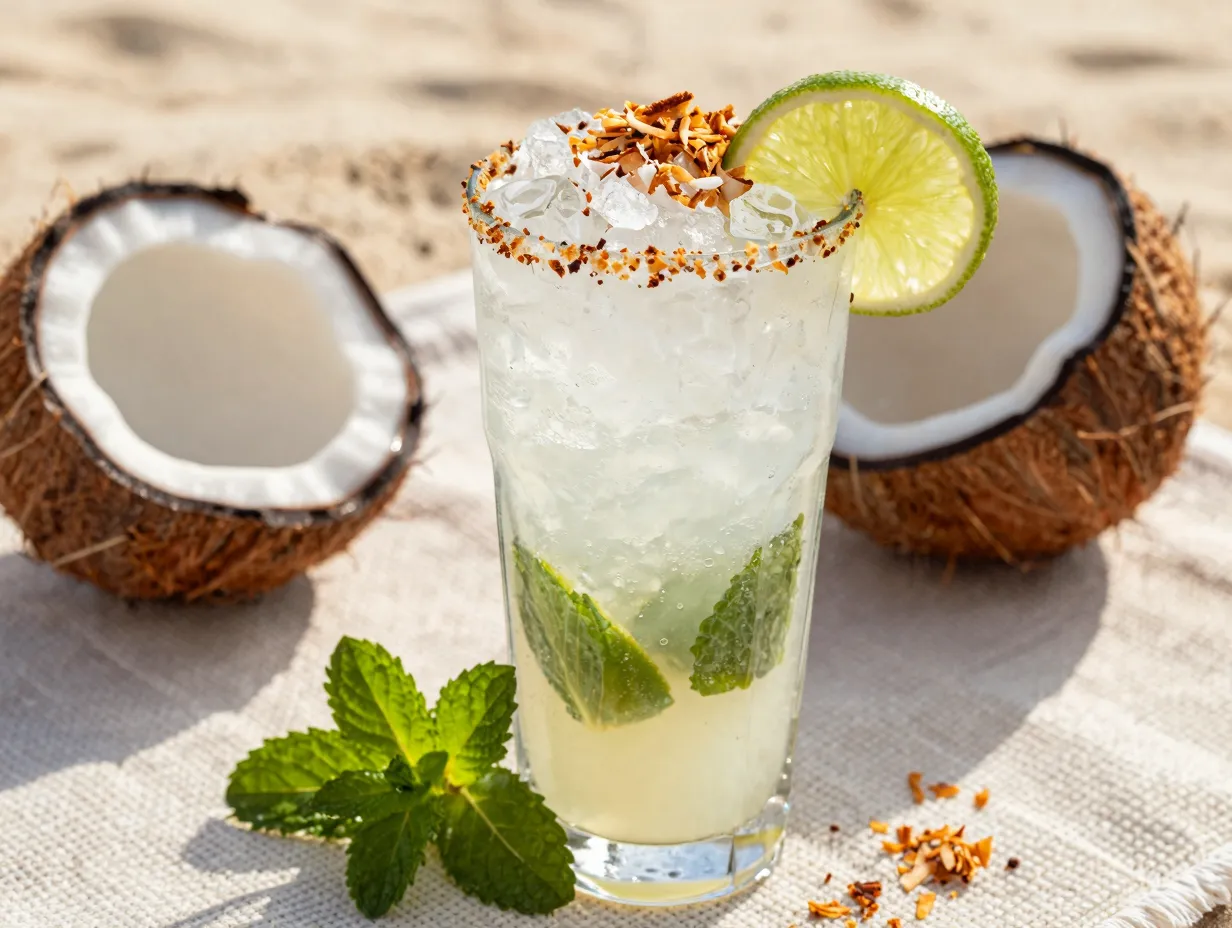
The coconut mojito replaces some or all of the club soda with coconut water, and sometimes incorporates coconut rum alongside or instead of white rum [4][9]. The result is a drink that leans into the Caribbean identity of the mojito while adding a creamy, slightly nutty undertone.
Ingredients:
- 8 mint leaves
- 1 ounce fresh lime juice
- 1/2 ounce simple syrup
- 1 ounce white rum
- 1 ounce coconut rum (such as Malibu)
- 2 ounces coconut water
- Splash of club soda
Method: Muddle mint with simple syrup and lime juice. Add both rums and fill with crushed ice. Top with coconut water and a small splash of club soda for effervescence. Garnish with toasted coconut flakes and a lime wheel [9].
One note of caution: coconut rum tends to be sweet, so taste before adding the full measure of simple syrup. This variation is forgiving and crowd-pleasing, which makes it an excellent choice for parties.
6. Blackberry Mojito
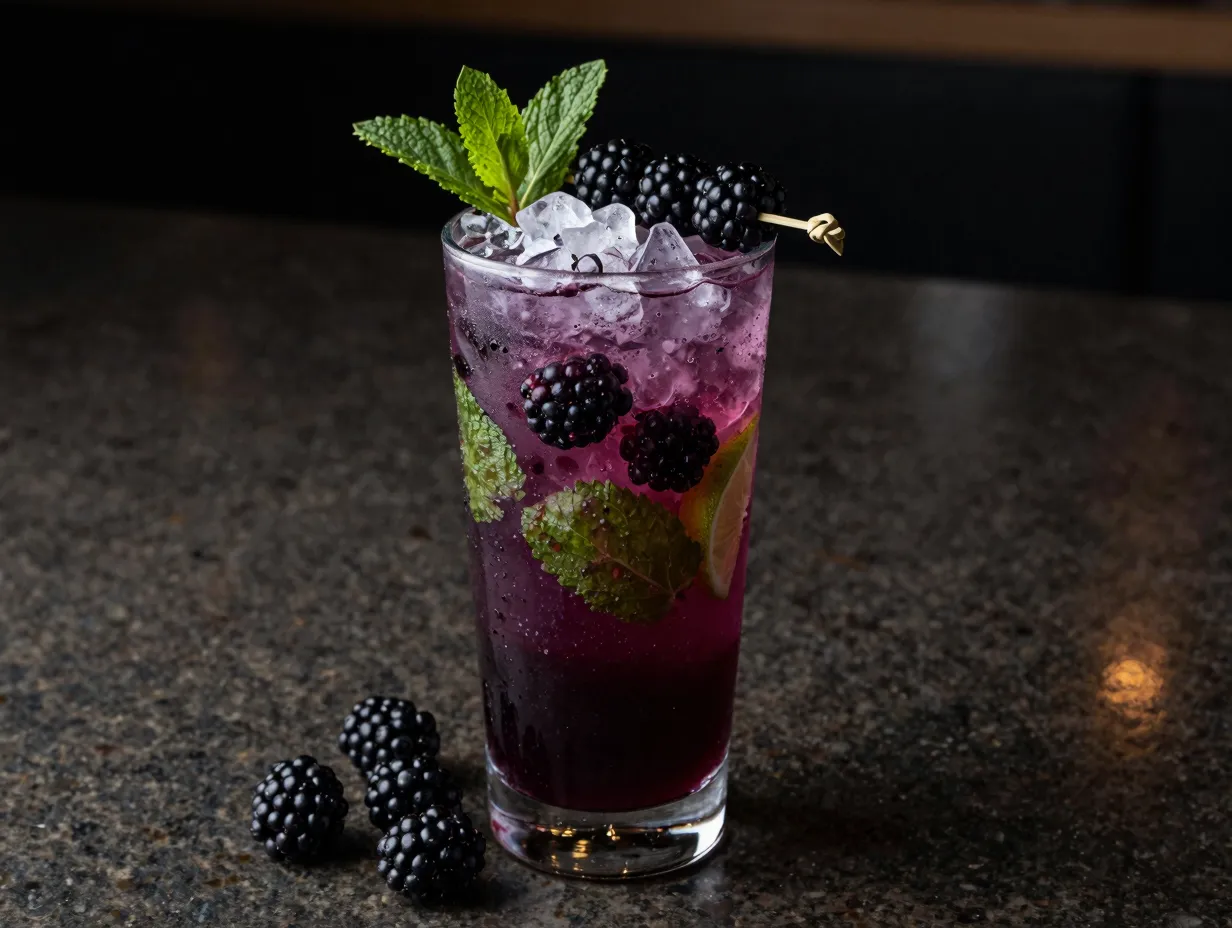
The blackberry mojito is for those who want something a little darker and more complex. Blackberries have a tartness and depth that push the drink toward a more sophisticated flavor profile, and the deep purple color makes it one of the most visually striking variations on this list [1][8].
Ingredients:
- 6 to 8 fresh blackberries
- 8 mint leaves
- 1 ounce fresh lime juice
- 3/4 ounce simple syrup
- 2 ounces white rum
- Club soda to top
Method: Muddle blackberries and mint together. The blackberries will release a rich, jewel-toned juice that stains the drink beautifully. Add lime juice, simple syrup, and rum. Fill with crushed ice and top with club soda [8]. Garnish with a blackberry skewer and mint sprig.
For a more complex version, substitute half of the white rum with a lightly aged rum. The barrel notes in aged rum harmonize with the earthier tones of blackberry in a way that white rum cannot quite achieve.
7. Spicy Jalapeño Mojito
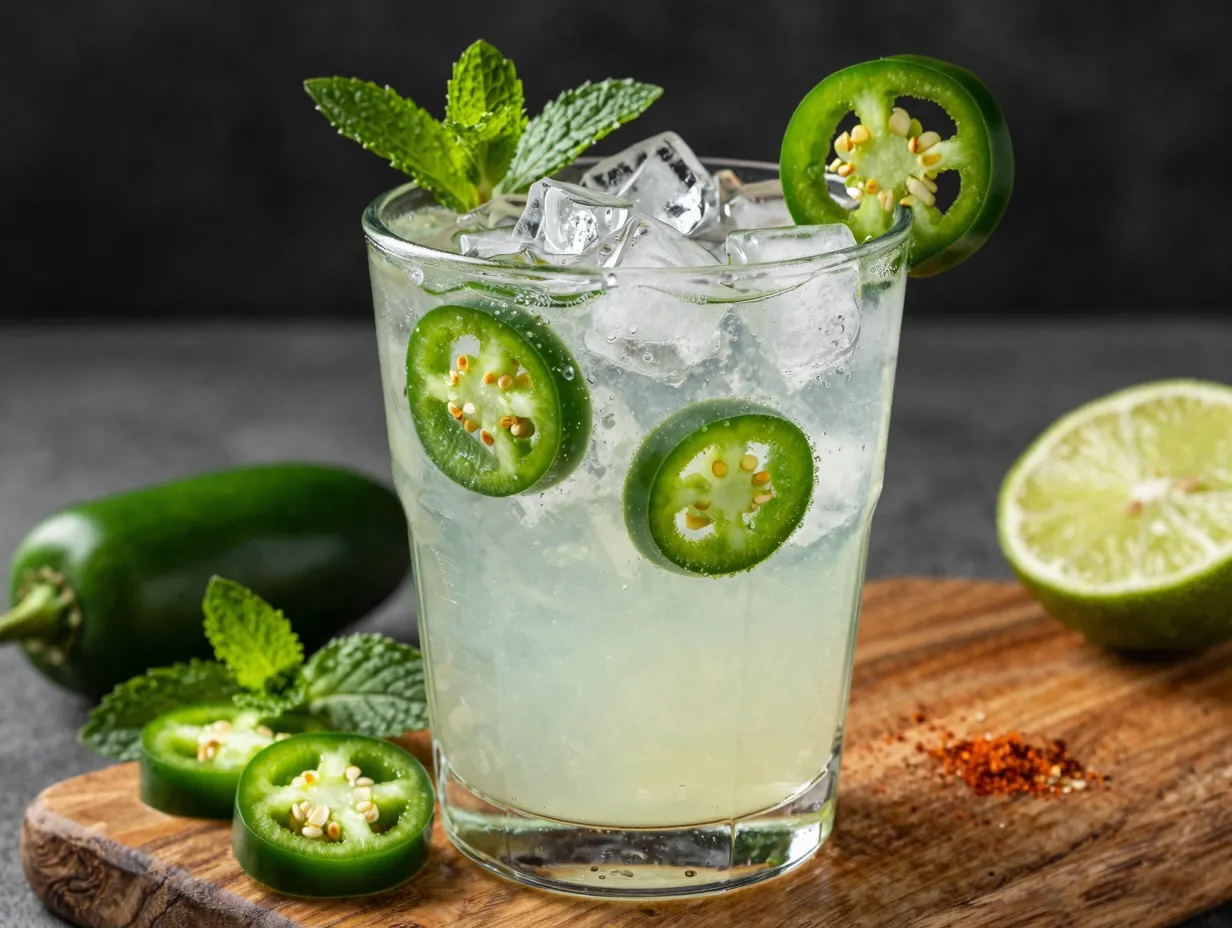
The spicy mojito is the variation that surprises people most. Adding heat to a drink that is built around refreshment sounds counterintuitive, but the jalapeño’s capsaicin creates a warming sensation that contrasts beautifully with the cold, minty base [3][10]. This is the mojito for people who think they do not like mojitos.
Ingredients:
- 2 to 3 thin slices of fresh jalapeño (seeds removed for mild heat, included for more)
- 8 mint leaves
- 1 ounce fresh lime juice
- 3/4 ounce simple syrup
- 2 ounces white rum
- Club soda to top
Method: Muddle jalapeño slices first, then add mint and muddle again gently. Add lime juice, simple syrup, and rum. Shake briefly with ice, then strain into a glass filled with crushed ice. Top with club soda [3]. Garnish with a jalapeño wheel and mint.
Heat control tip: The longer the jalapeño sits in the drink, the hotter it gets. If you are making this for a group with varying spice tolerances, muddle the jalapeño separately, taste the juice, and add it incrementally to the shaker.
8. Virgin (Non-Alcoholic) Mojito
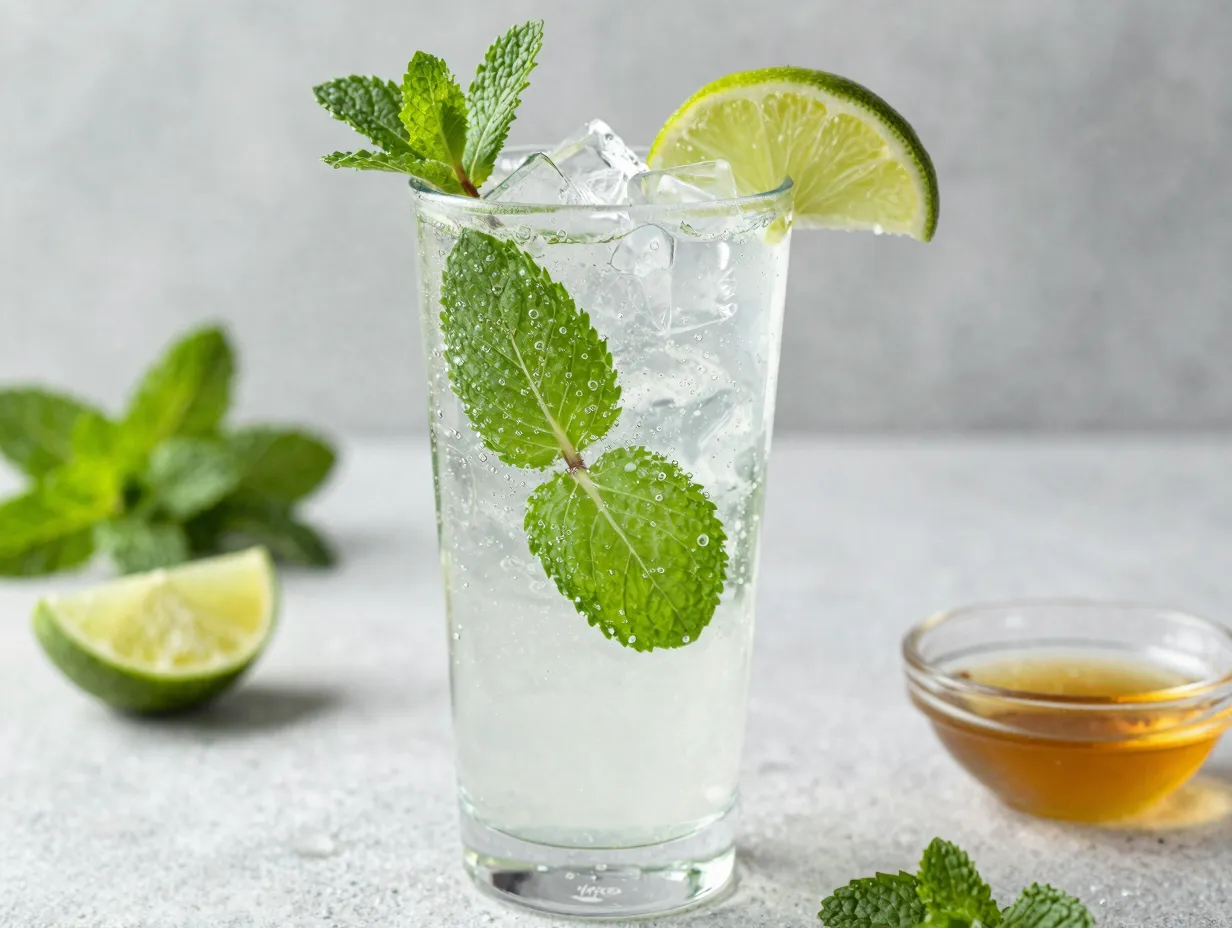
The virgin mojito — sometimes called a “nojito” — proves that the mojito’s appeal has nothing to do with alcohol and everything to do with balance [2][7]. Removing the rum does not diminish the drink; it simply shifts the focus entirely to the interplay of mint, lime, and sweetness. This is the variation I make most often for guests who do not drink, and it consistently gets more compliments than I expect.
Ingredients:
- 10 mint leaves
- 1 ounce fresh lime juice
- 3/4 ounce simple syrup
- 3 to 4 ounces sparkling water or club soda
- Crushed ice
Method: Muddle mint with simple syrup. Add lime juice and fill with crushed ice. Top with sparkling water and stir gently [2]. Garnish generously with mint and a lime wheel.
To add complexity without alcohol, consider a small splash of elderflower cordial or a few drops of rose water. Both add aromatic depth that compensates for the absence of rum’s character. Some bartenders also use a non-alcoholic spirit such as Seedlip Spice 94 as a functional substitute [7].
Tips for Making Any Mojito Better
Regardless of which variation you choose from the 8 Mojitos Recipe Variations You Need to Try (Classic & Beyond), a few universal principles apply.
Use Crushed Ice, Not Cubed
Crushed ice chills the drink faster, dilutes it more slowly during consumption, and creates the signature frosty exterior on the glass. If you do not have a crushed ice maker, place cubed ice in a zip-lock bag and strike it firmly with a rolling pin [5].
Always Use Fresh Lime Juice
Bottled lime juice contains preservatives that flatten the bright, acidic character that makes a mojito refreshing. Squeeze limes immediately before mixing. One medium lime yields approximately 1 ounce of juice [1].
Balance Sweetness to the Fruit
When adding fruit to a mojito, always taste the muddled mixture before adding simple syrup. Ripe summer fruit can carry enough natural sugar that additional sweetener makes the drink cloying [4].
Batch Cocktails Without the Carbonation
For parties, pre-mix the rum, lime juice, simple syrup, and muddled ingredients in a large pitcher. Keep it refrigerated. Add club soda and fresh mint only at serving time to preserve carbonation and aroma [9].
Quick Reference: The 8 Mojito Variations at a Glance
| # | Variation | Key Addition | Spirit | Best For |
|---|---|---|---|---|
| 1 | Classic Cuban | None | White rum | Purists, beginners |
| 2 | Strawberry | Fresh strawberries | White rum | Summer parties |
| 3 | Watermelon | Watermelon chunks | White rum | Large batches |
| 4 | Mango | Mango puree or chunks | White or aged rum | Tropical lovers |
| 5 | Coconut | Coconut water, coconut rum | White + coconut rum | Beach vibes |
| 6 | Blackberry | Fresh blackberries | White or aged rum | Sophisticated palates |
| 7 | Spicy Jalapeño | Fresh jalapeño | White rum | Heat seekers |
| 8 | Virgin (Nojito) | None (no alcohol) | None | Non-drinkers, all ages |
Common Mistakes to Avoid
Even experienced home bartenders make a few recurring errors with mojitos. Here are the most common ones and how to fix them.
Over-muddling the mint. This is the single most frequent mistake. Torn mint leaves release chlorophyll, which makes the drink taste green and vegetal rather than fresh and aromatic. Muddle until you can smell the mint clearly, then stop.
Using the wrong mint variety. Spearmint is the correct choice for mojitos. Peppermint is too intense and medicinal. If you grow your own herbs, label them carefully — the two plants look nearly identical [5].
Skipping the stir after adding soda. A single, gentle stir after adding club soda integrates the ingredients without losing carbonation. Skipping this step leaves a flat layer of soda on top.
Not chilling the glass. A warm glass raises the temperature of the drink immediately. Fill the glass with ice water for 60 seconds before building the cocktail, then discard the water before adding ingredients.
Conclusion
The mojito is one of the most democratic cocktails in existence. Its structure is simple enough for a beginner to master in an afternoon, yet flexible enough to keep an experienced home bartender experimenting for years. The 8 Mojitos Recipe Variations You Need to Try (Classic & Beyond) covered in this guide — from the textbook Cuban classic to the heat-forward jalapeño version and the inclusive virgin nojito — represent just the beginning of what this format can do.
Here are your actionable next steps:
- Start with the Classic Cuban mojito to calibrate your palate and refine your muddling technique before moving to variations.
- Choose one fruit-based variation (strawberry, watermelon, or mango) as your first experiment, since these are the most forgiving and crowd-pleasing.
- Invest in a proper muddler, a channel knife for citrus garnishes, and a bag of crushed ice — these three tools will improve every mojito you make.
- Try the jalapeño version at least once, even if you are skeptical. The contrast between heat and cool mint is genuinely surprising.
- Keep a small notebook of your adjustments — sweetness levels, fruit quantities, and spirit choices — so you can replicate your best results.
The best mojito is not the most complicated one. It is the one made with fresh ingredients, proper technique, and a genuine curiosity about what happens when you change just one thing at a time.
References
[1] Mojito Recipe Variations 5194627 – https://www.liquor.com/mojito-recipe-variations-5194627
[2] Mojito Recipes – https://www.acouplecooks.com/mojito-recipes/
[3] Fabulous Mojito Recipes – https://www.cosmopolitan.com/food-cocktails/a5839/fabulous-mojito-recipes/
[4] Mojito Recipes – https://www.farmwifedrinks.com/mojito-recipes/
[5] Variations – https://www.diffordsguide.com/g/1228/mojito-cocktail/variations
[6] Mojito Recipes – https://www.delish.com/cooking/g39931687/mojito-recipes/
[7] Mojito Cocktail Recipes – https://www.townandcountrymag.com/leisure/drinks/g9139336/mojito-cocktail-recipes/
[8] Mojito Variations – https://recipesingredient.com/mojito-variations/
[9] Mojito Recipes And Flavors – https://thelionchef.com/mojito-recipes-and-flavors
[10] 10 Mojito Variations To Try Right Now – https://uptownspirits.com/blogs/news/10-mojito-variations-to-try-right-now