8 Classic Cocktail Recipes Every Home Bartender Should Memorize
Only about one in three adults who drink alcohol at home can make more than two cocktails from memory — and most of those are variations of the same spirit poured over ice. That gap between casual drinker and confident home bartender is smaller than most people think, and it starts with a focused list of foundational recipes. The 8 Classic Cocktail Recipes Every Home Bartender Should Memorize covered in this guide are not arbitrary choices. They represent the essential architecture of Western cocktail culture: balanced formulas that have survived decades of trend cycles because they simply work. Master these eight drinks, and you will understand the ratios, techniques, and flavor principles that unlock hundreds of other recipes.
Disclosure: This post contains affiliate links. As an Amazon Associate, we earn from qualifying purchases, and at no extra cost to you.

Key Takeaways
- The eight cocktails in this guide cover every major spirit category: whiskey, gin, rum, tequila, and vodka.
- Each recipe is built on a simple ratio that, once memorized, makes improvisation natural.
- The Old Fashioned is currently the most-ordered classic cocktail in America in 2026 [1].
- Fresh ingredients — particularly citrus juice and herbs — make a measurable difference in quality.
- Technique (stirring vs. shaking) matters as much as the recipe itself.
Why These Eight Cocktails Form the Core of Home Bartending
Before diving into the recipes themselves, it is worth understanding why these particular eight were chosen. A great home bartender does not need a library of 200 drinks. They need a small, well-chosen set of formulas that demonstrate core techniques and cover the widest range of guest preferences.
These eight recipes teach you:
- How to stir a spirit-forward drink without diluting it too much
- How to shake a citrus-based cocktail to the right temperature and texture
- How to balance sweet, sour, bitter, and strong elements
- How to use garnishes that add aroma, not just visual appeal
The 8 Classic Cocktail Recipes Every Home Bartender Should Memorize also map neatly onto the four major cocktail families: sours, stirred spirit-forward drinks, highballs, and built drinks. Once you see those patterns, every new recipe you encounter becomes easier to understand and reproduce.
The Essential Home Bar Setup
You do not need a professional setup to make these drinks well. A short checklist covers almost everything:
| Tool | Purpose |
|---|---|
| Cocktail shaker (cobbler or Boston) | Shaking citrus-based drinks |
| Bar spoon | Stirring spirit-forward cocktails |
| Jigger (1 oz / 2 oz) | Accurate measuring |
| Hawthorne strainer | Straining shaken drinks |
| Muddler | Pressing herbs and fruit |
| Citrus juicer | Extracting fresh juice |
| Mixing glass | Stirring without ice chips |
Keep your bar stocked with the following spirits and you can make all eight cocktails: bourbon or rye whiskey, gin, white rum, tequila (blanco), vodka, and sweet vermouth. Add Campari, dry vermouth, orange liqueur (such as Cointreau or triple sec), Angostura bitters, and simple syrup, and you are fully equipped.
The 8 Classic Cocktail Recipes Every Home Bartender Should Memorize
1. The Old Fashioned
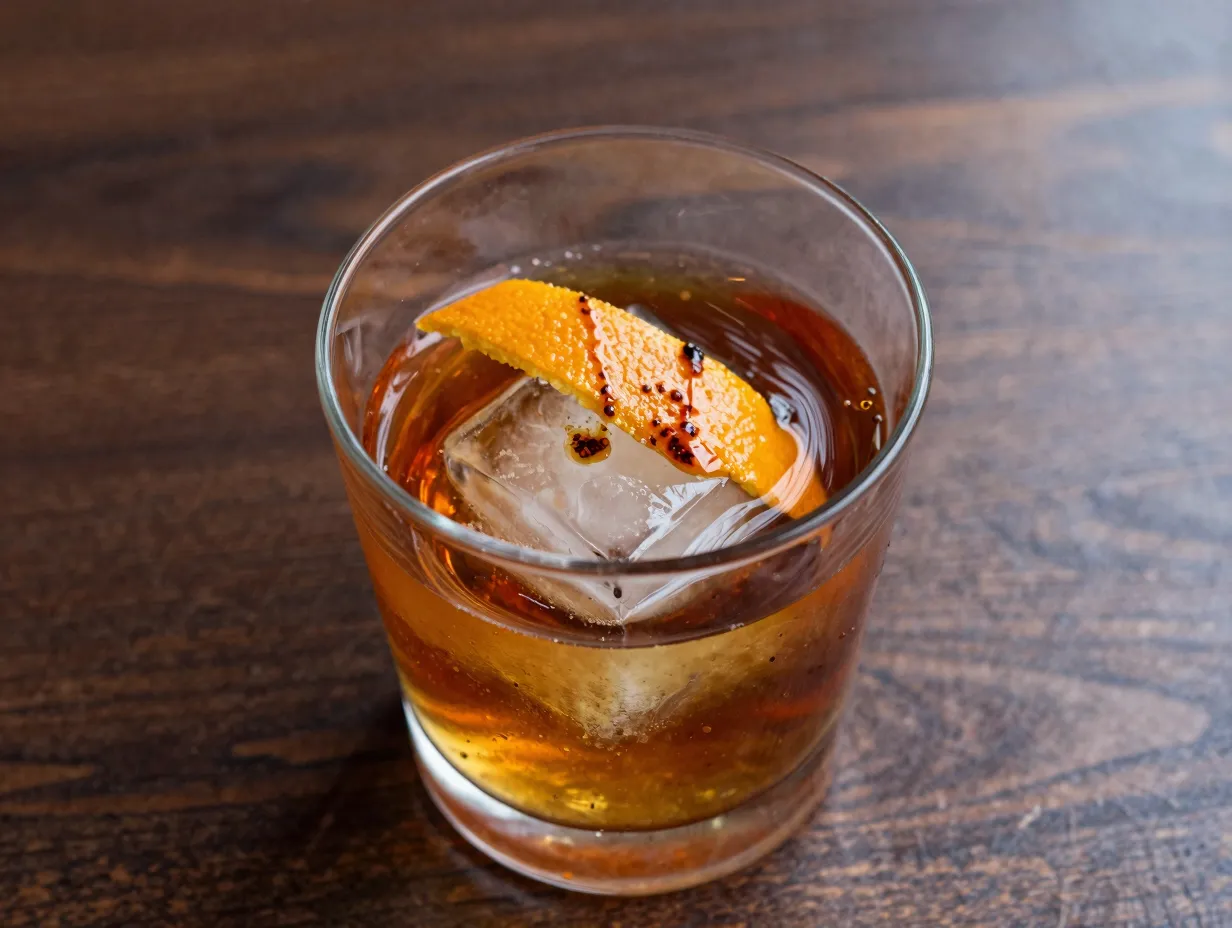
The Old Fashioned is the cocktail that started it all. Recognized as the most-ordered classic cocktail in America in 2026, it is the benchmark against which every other whiskey drink is measured [1]. The recipe is deceptively simple: two ounces of bourbon or rye, a sugar cube or half a teaspoon of simple syrup, two dashes of Angostura bitters, and a large ice cube. Express an orange peel over the glass and drop it in as a garnish.
The technique matters here. Place the sugar and bitters in a rocks glass, add a splash of water, and stir until the sugar dissolves. Add the whiskey, then a large ice cube, and stir gently for about 20 seconds. The goal is to chill and slightly dilute the drink without watering it down.
The Old Fashioned teaches you the “build in glass” method — no shaker required — and demonstrates how bitters function as a seasoning agent rather than a dominant flavor. Once you understand this drink, you understand the logic behind nearly every stirred whiskey cocktail.
Pro tip: Use a large, single ice cube. It melts more slowly than crushed ice, keeping the drink cold without excessive dilution.
2. The Martini
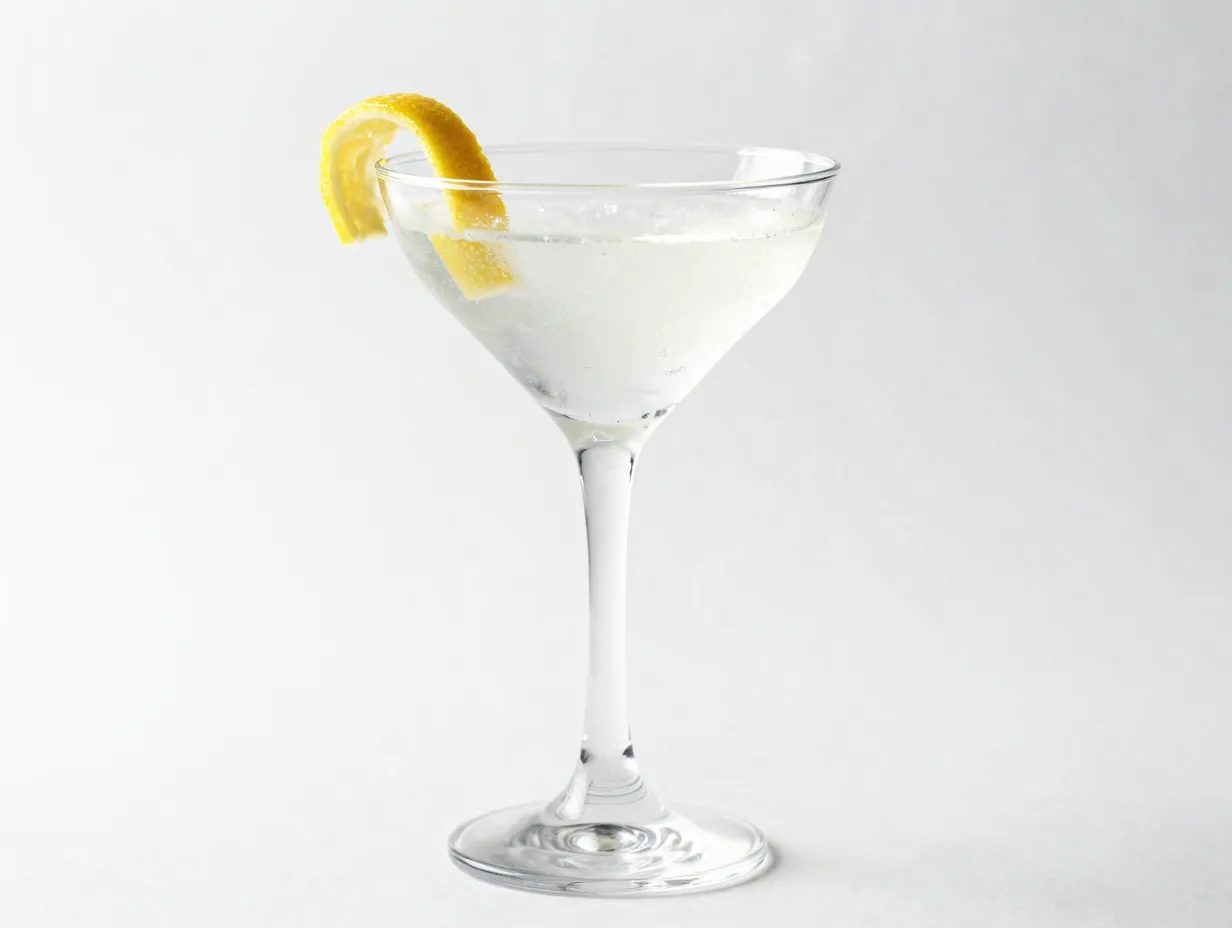
Few drinks carry as much cultural weight as the Martini. It is essential for any bartender, with variations — dry, dirty, or wet — determined entirely by the ratio of gin to vermouth [1]. A standard dry Martini uses two and a half ounces of gin and half an ounce of dry vermouth, stirred with ice and strained into a chilled cocktail glass. Garnish with a lemon twist or a green olive.
The terminology can be confusing at first:
- Dry Martini: Less vermouth (around a 5:1 ratio of gin to vermouth)
- Wet Martini: More vermouth (around a 3:1 ratio)
- Dirty Martini: A splash of olive brine added to the mix
- Gibson: Garnished with a cocktail onion instead of an olive
Always stir a Martini — never shake it, despite what James Bond famously ordered. Shaking introduces tiny air bubbles that make the drink cloudy and slightly watery. Stirring preserves the silky, crystal-clear texture that defines a great Martini.
The Martini is the cocktail that teaches you the importance of chilling your glassware. Place your cocktail glass in the freezer for at least 10 minutes before serving. A cold glass keeps the drink at the right temperature from the first sip to the last.
3. The Margarita
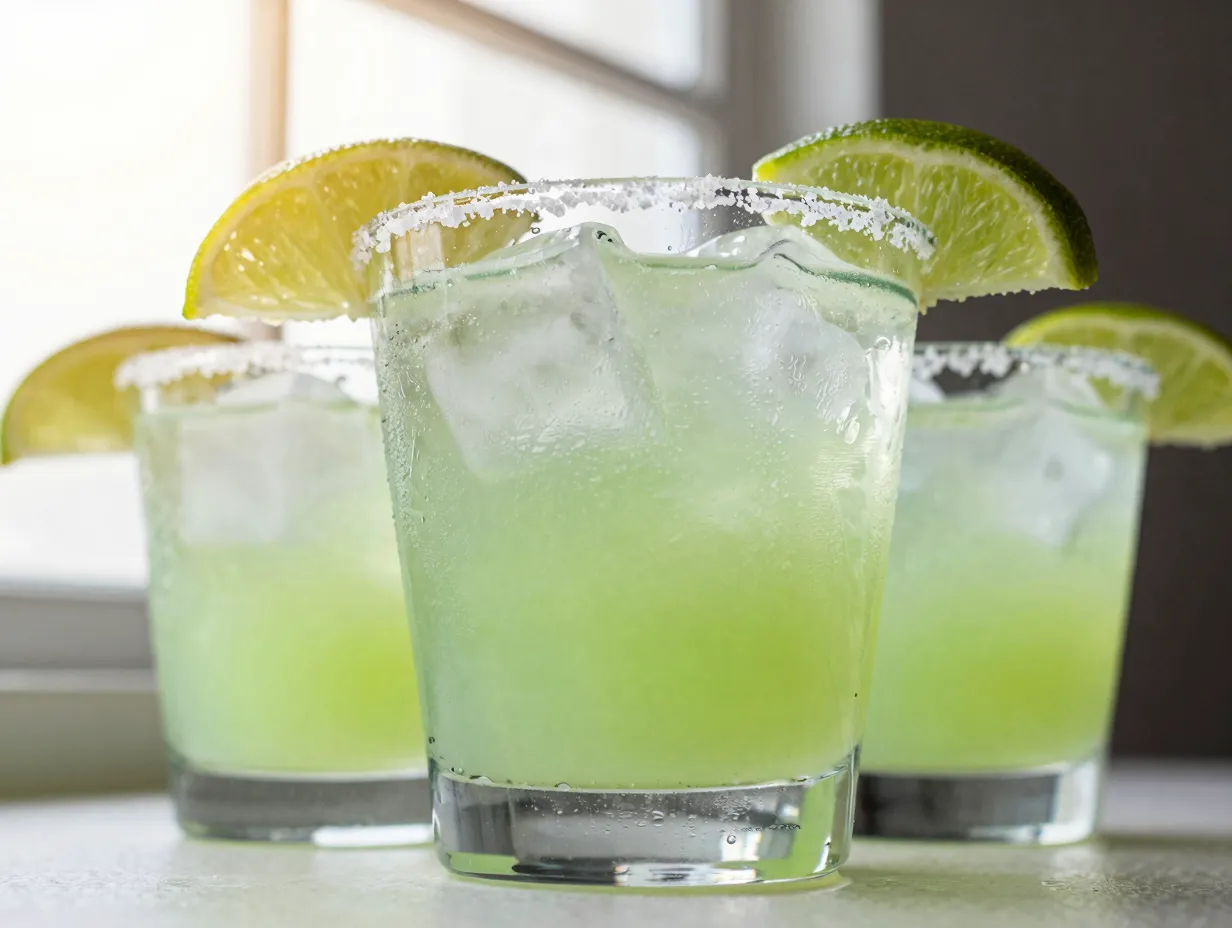
The Margarita is the most widely consumed cocktail in North America, and for good reason. It combines two ounces of blanco tequila, one ounce of fresh lime juice, and three-quarters of an ounce of orange liqueur (Cointreau or triple sec) [2]. Shake with ice and strain into a salt-rimmed glass over fresh ice, or serve straight up in a coupe.
The salt rim is not just decorative. Salt suppresses bitterness and amplifies the sweetness and citrus notes in the drink. To rim a glass properly, run a lime wedge around the outer edge and dip it into a shallow plate of coarse salt. Only coat the outer rim — not the inside — so the salt does not fall into the drink.
The golden rule of Margaritas: Always use fresh lime juice. Bottled lime juice contains preservatives that flatten the flavor and introduce an artificial aftertaste. The difference between a Margarita made with fresh juice and one made with bottled juice is immediately noticeable.
The Margarita is the gateway to understanding sour cocktails. The basic formula — spirit, citrus, sweetener — applies to dozens of other drinks, including the Daiquiri, the Sidecar, and the Whiskey Sour.
4. The Negroni
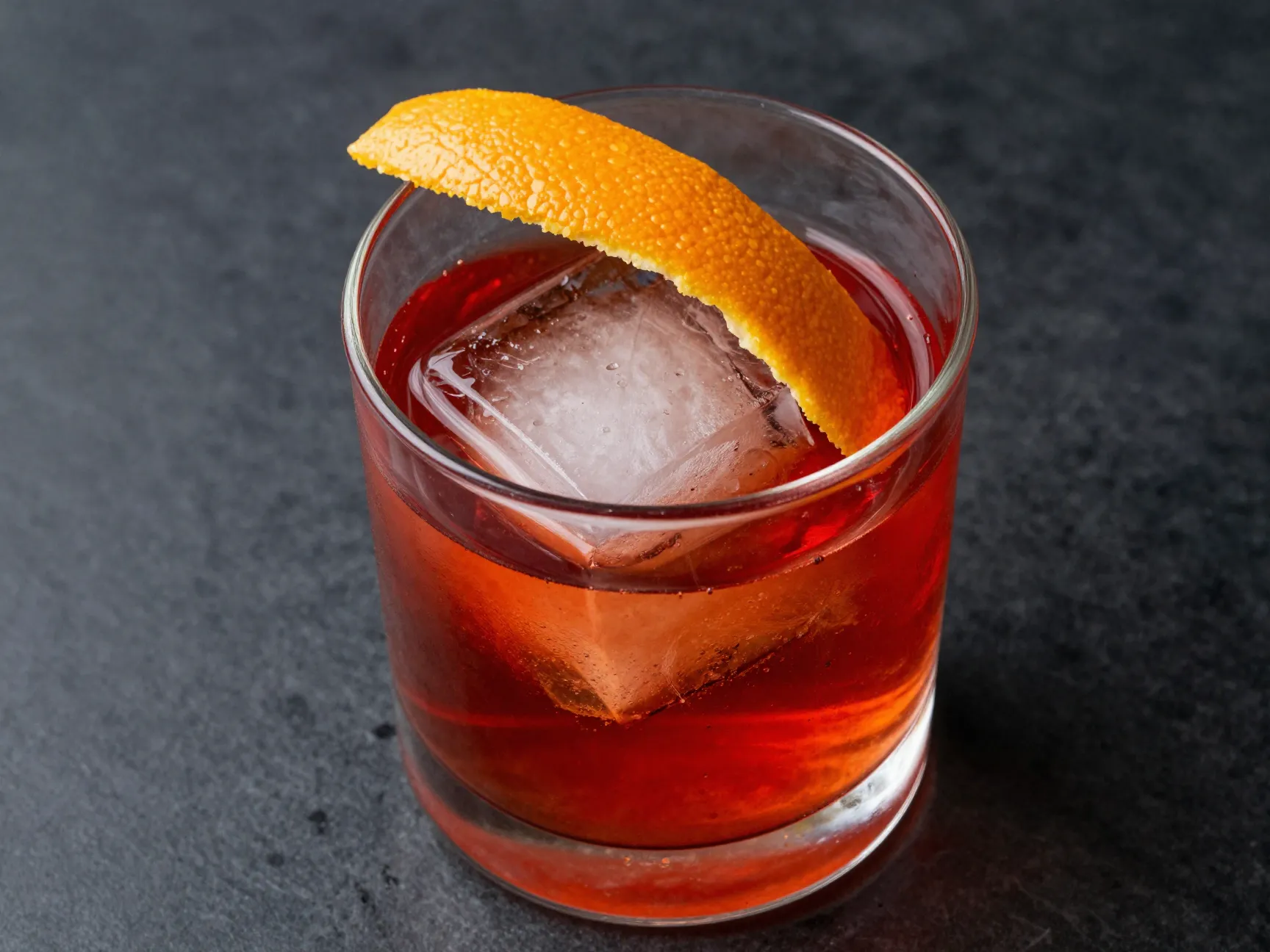
The Negroni originated in post-World War I Italy, reportedly invented when Count Camillo Negroni asked a bartender to strengthen his Americano by replacing the soda water with gin [3]. The recipe is one of the easiest to memorize: equal parts gin, sweet vermouth, and Campari — typically one ounce of each. Stir with ice and strain into a rocks glass over a large ice cube. Garnish with an orange slice or a wide orange peel.
The Negroni is the cocktail that introduces most drinkers to the concept of bitterness as a desirable flavor. Campari is intensely bitter and herbal, and it can be polarizing on first taste. However, the sweet vermouth and gin create a balance that most palates find compelling after the first sip.
Why the Negroni belongs on this list: It teaches the equal-parts formula, which is one of the most useful templates in cocktail making. Once you know the Negroni, you can easily make its variations — the Boulevardier (substitute bourbon for gin), the Mezcal Negroni (substitute mezcal for gin), and the White Negroni (substitute Lillet Blanc and Suze for vermouth and Campari).
5. The Daiquiri
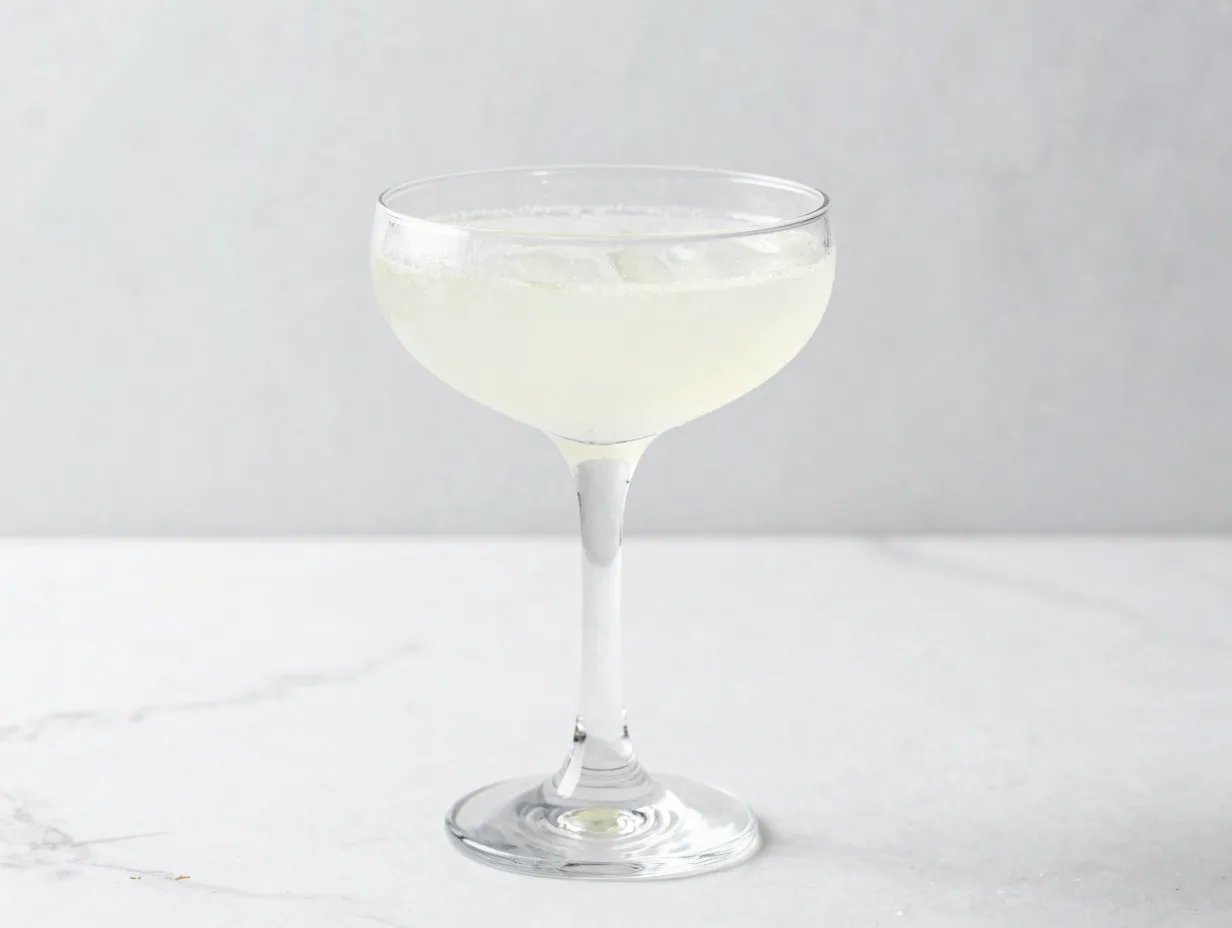
The Daiquiri is a classic rum sour made with two ounces of white rum, three-quarters of an ounce of fresh lime juice, and three-quarters of an ounce of simple syrup [1]. Shake vigorously with ice and strain into a chilled coupe glass. No garnish is strictly necessary, though a lime wheel on the rim is a clean, classic touch.
I remember the first time I made a proper Daiquiri for a friend who had only ever had the frozen, overly sweet version from a blender machine at a beach bar. The reaction was genuine surprise — the fresh, balanced, spirit-forward version tasted like a completely different drink. That moment illustrated something important: many people have dismissed classic cocktails based on poor versions of them.
The Daiquiri is arguably the purest expression of the sour formula. With only three ingredients, there is nowhere to hide. The quality of your rum, the freshness of your lime juice, and the balance of your simple syrup all show up immediately in the glass.
Simple syrup recipe: Combine equal parts white sugar and water in a small saucepan over medium heat. Stir until the sugar dissolves completely, then remove from heat and allow to cool. Store in a sealed bottle in the refrigerator for up to two weeks.
6. The Manhattan
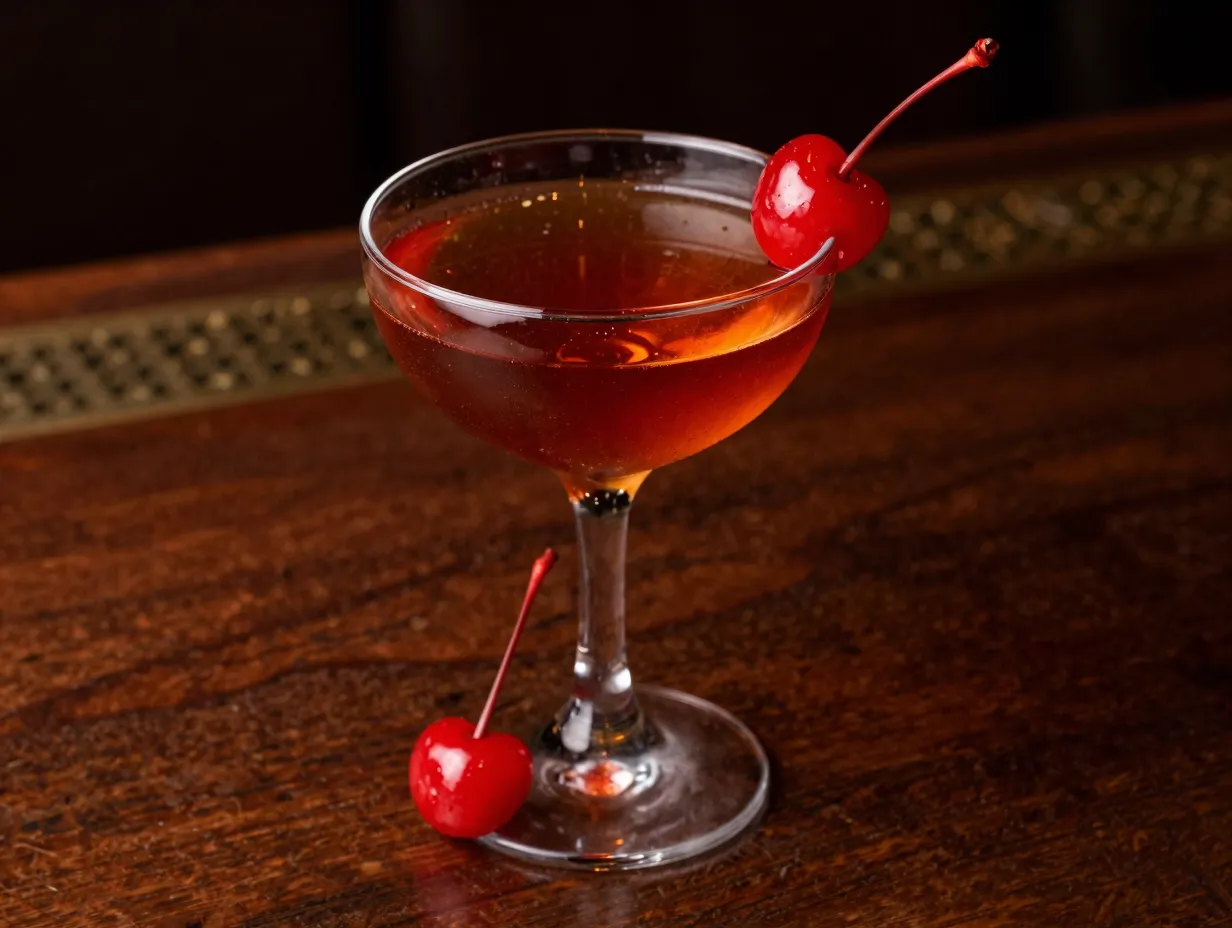
The Manhattan is the whiskey cocktail that rivals the Martini in elegance and complexity. It combines two ounces of bourbon or rye whiskey with one ounce of sweet vermouth and two dashes of Angostura bitters [3]. Stir with ice and strain into a chilled coupe or cocktail glass. Garnish with a Luxardo maraschino cherry.
Rye whiskey produces a spicier, drier Manhattan. Bourbon produces a sweeter, rounder version. Both are correct — the choice depends entirely on personal preference and the preferences of your guests. I tend to default to rye when making Manhattans for guests who enjoy spirit-forward drinks, and bourbon for those who prefer something slightly softer.
The Manhattan versus the Old Fashioned: Both are whiskey-and-bitters drinks, but the Manhattan introduces vermouth as a modifier, making it more complex and slightly lower in alcohol by volume. The Old Fashioned is built in the glass; the Manhattan is always stirred in a mixing glass and strained.
A common mistake is using cheap sweet vermouth. Vermouth is a wine-based product and goes stale quickly once opened. Buy a smaller bottle, store it in the refrigerator after opening, and use it within three to four weeks for the best flavor.
7. The Mojito
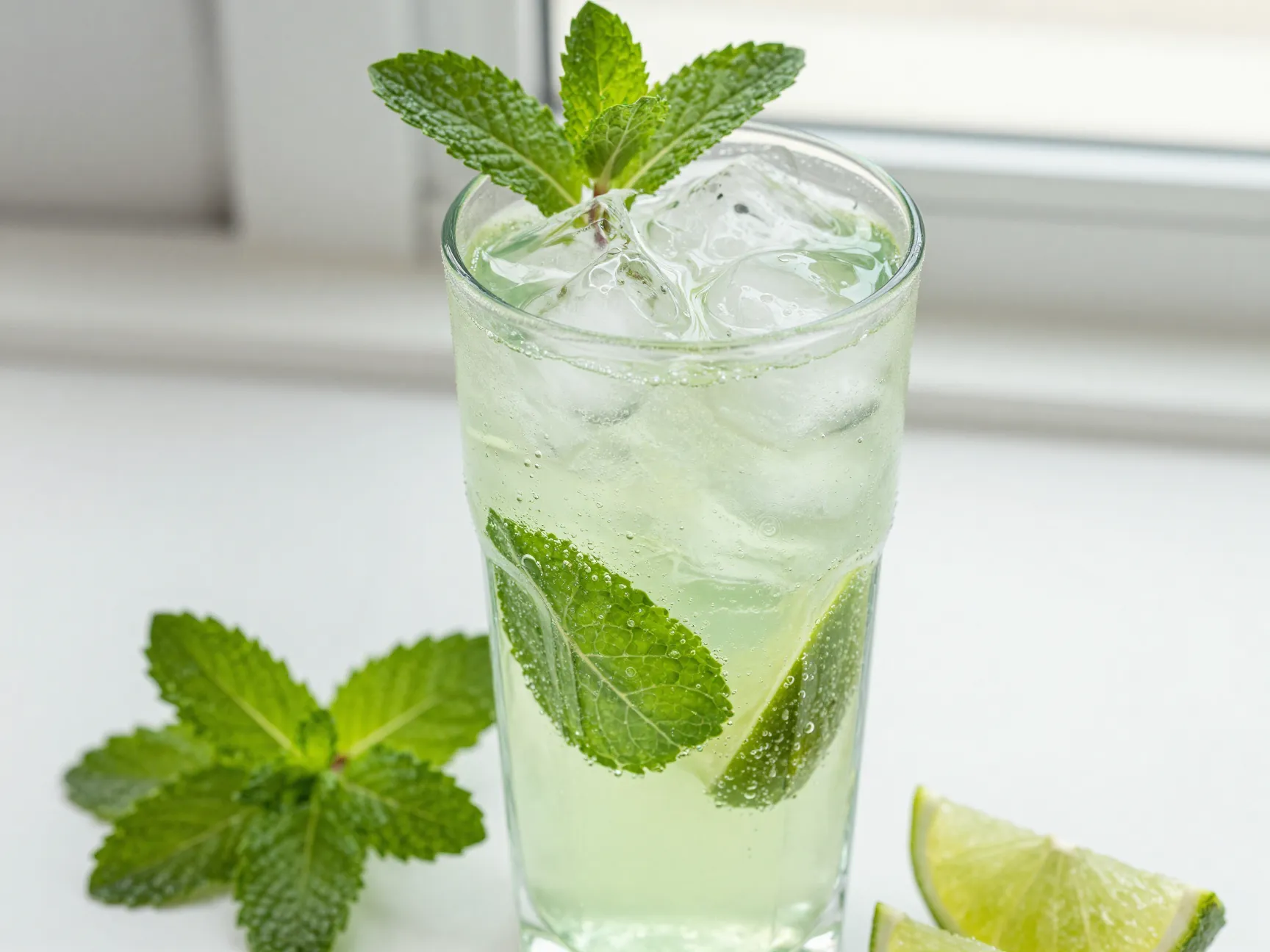
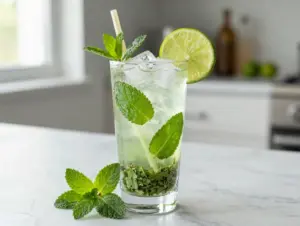
The Mojito is the cocktail that most home bartenders find intimidating because of the muddling step, but it is far simpler than it appears [4]. The recipe calls for eight to ten fresh mint leaves, three-quarters of an ounce of simple syrup, and three-quarters of an ounce of fresh lime juice muddled gently together at the bottom of a highball glass. Add two ounces of light rum, fill the glass with ice, and top with two to three ounces of club soda. Stir gently with a bar spoon and garnish with a mint sprig and a lime wheel.
The critical muddling mistake to avoid: Do not shred the mint. Press it firmly but gently against the bottom of the glass five or six times. You want to release the essential oils from the leaves without tearing them into bitter, grassy fragments. Torn mint leaves release chlorophyll, which turns the drink green and introduces a harsh, vegetal flavor.
The Mojito teaches the highball format and demonstrates how carbonation interacts with other ingredients. The soda water is not just filler — it lifts the aromatics of the mint and lime, making the drink smell as good as it tastes.
8. The Cosmopolitan
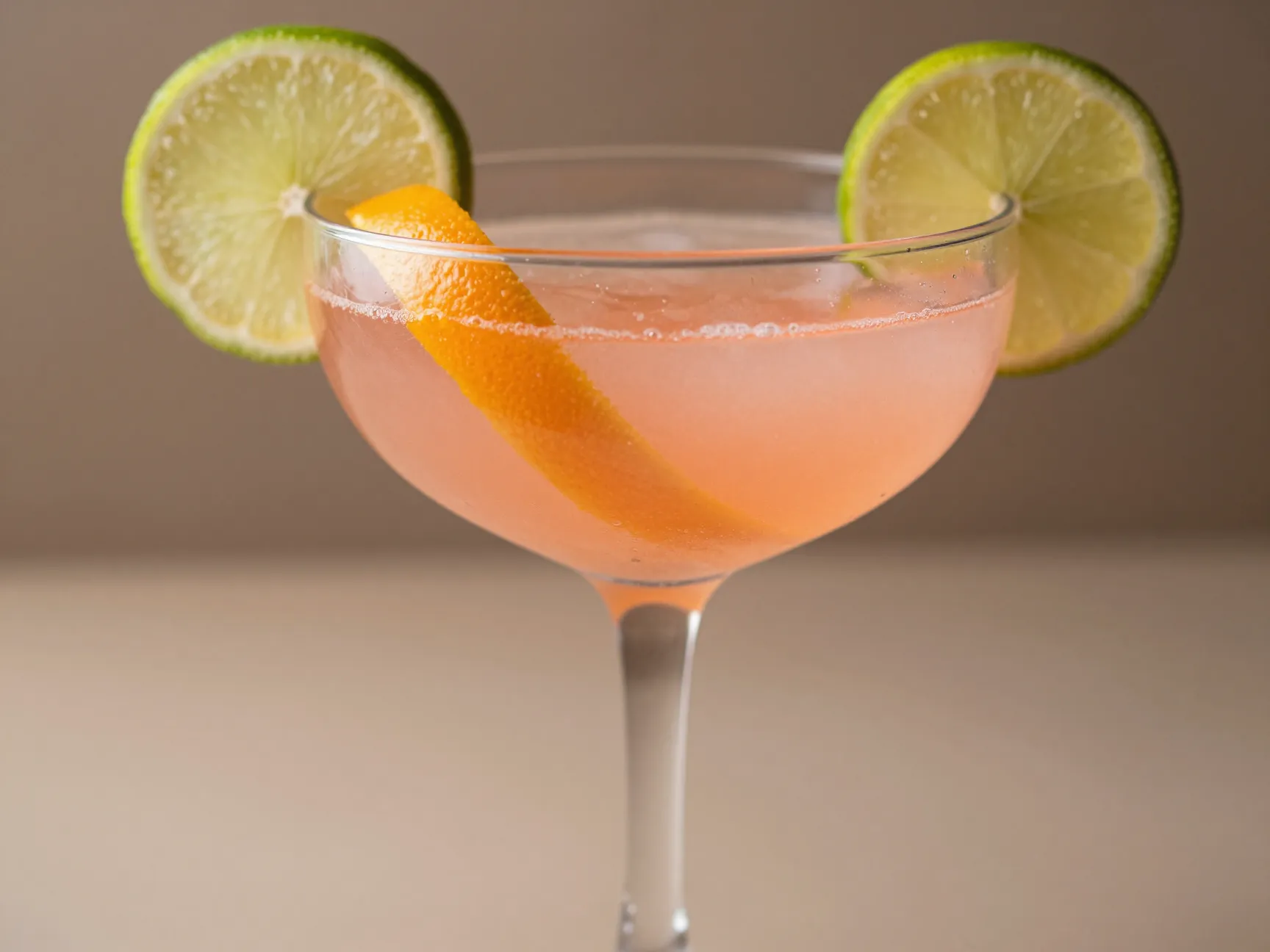
The Cosmopolitan became a cultural phenomenon in the late 1990s, but its status as a modern classic is well-earned [3]. The recipe combines one and a half ounces of citrus vodka, three-quarters of an ounce of orange liqueur (Cointreau), half an ounce of fresh lime juice, and one ounce of cranberry juice. Shake with ice and strain into a chilled cocktail glass. Garnish with a flamed orange peel or a lime wheel.
The Cosmopolitan is often dismissed by cocktail purists as a product of a particular era, but that dismissal is unfair. It is a well-balanced drink with a clear structure: spirit, citrus, sweetener, and a small amount of juice for color and additional flavor. The cranberry juice should be just enough to give the drink its signature pink hue — not so much that it dominates the flavor profile.
The flamed orange peel garnish: Hold a strip of orange peel skin-side down over the drink. Hold a lit match or lighter between the peel and the glass, then squeeze the peel sharply to express the oils through the flame. This caramelizes the citrus oils slightly, adding a subtle smoky-sweet aroma. It is a small detail that elevates the presentation significantly.
Techniques That Separate Good Cocktails from Great Ones
Knowing the recipes in the 8 Classic Cocktail Recipes Every Home Bartender Should Memorize is the starting point. Executing them well requires attention to a few core techniques.
Shaking vs. stirring is the most fundamental decision in cocktail making. The general rule: shake any drink that contains citrus juice, egg whites, cream, or other opaque ingredients. Stir any drink that is made entirely of spirits, wine, or liqueurs. Shaking introduces aeration and dilution quickly; stirring produces a smoother, more integrated result.
Dilution is a feature, not a flaw. Every cocktail recipe assumes a certain amount of water will be introduced through the melting of ice during shaking or stirring. A properly shaken drink (about 12 to 15 seconds of vigorous shaking) will dilute by roughly 20 to 25 percent. A properly stirred drink (about 30 to 45 seconds of steady stirring) will dilute by around 15 to 20 percent. Skipping this step produces a drink that tastes harsh and unbalanced.
Temperature matters at every stage. Chill your glassware. Use ice that has been stored properly and does not carry freezer odors. Serve shaken drinks immediately after straining.
A Quick Reference Guide
| Cocktail | Base Spirit | Method | Glass |
|---|---|---|---|
| Old Fashioned | Bourbon or Rye | Build in glass | Rocks |
| Martini | Gin | Stir and strain | Cocktail/Coupe |
| Margarita | Tequila | Shake and strain | Rocks or Coupe |
| Negroni | Gin | Stir and strain | Rocks |
| Daiquiri | White Rum | Shake and strain | Coupe |
| Manhattan | Bourbon or Rye | Stir and strain | Cocktail/Coupe |
| Mojito | Light Rum | Build in glass | Highball |
| Cosmopolitan | Vodka | Shake and strain | Cocktail |
Conclusion
The 8 Classic Cocktail Recipes Every Home Bartender Should Memorize are not just recipes — they are a curriculum. Each one teaches a technique, introduces a flavor principle, and opens a door to a wider world of cocktail making. The Old Fashioned shows you how to build a drink in the glass. The Martini teaches the importance of temperature and technique. The Margarita introduces the sour formula. The Negroni demonstrates the power of equal-parts balance. The Daiquiri strips the sour formula to its essentials. The Manhattan adds complexity through vermouth. The Mojito introduces muddling and carbonation. The Cosmopolitan rounds out the set with a modern, vodka-based structure.
Here are your actionable next steps:
- Choose one cocktail from this list and make it three times this week. Repetition is the fastest path to muscle memory.
- Invest in a quality jigger. Eyeballing measurements is the single most common cause of unbalanced cocktails.
- Buy fresh citrus and squeeze it yourself. This one change will improve every sour cocktail you make immediately.
- Taste your ingredients separately before combining them. Understanding what sweet vermouth tastes like on its own makes it easier to understand how it functions in a Manhattan or a Negroni.
- Invite friends over and use the occasion as practice. There is no better motivation than an audience.
The gap between a casual drinker and a confident home bartender closes faster than most people expect. Start with these eight drinks, commit the ratios to memory, and practice the techniques consistently. Within a few weeks, you will be making cocktails that rival what most bars serve.
References
[1] Drinks Bartenders Should Know – https://practicetestgeeks.com/bartender/drinks-bartenders-should-know?utm_source=openai
[2] Basic Cocktail Recipes Every Bartender Should Know – https://www.wisk.ai/blog/basic-cocktail-recipes-every-bartender-should-know?utm_source=openai
[3] Cocktails Every Man Should Make – https://www.apetogentleman.com/cocktails-every-man-should-make/?utm_source=openai
[4] Classic Cocktails – https://www.absolutdrinks.com/en/learn/classic-cocktails/?utm_source=openai