9 Korean Beverage Aesthetic Drinks That Are Taking Over Your Feed
South Korea’s cafe culture generates an estimated 12 billion dollars in annual revenue, and a significant portion of that growth is driven not by taste alone, but by visual appeal. Scroll through Instagram or TikTok in 2026, and you will notice a clear pattern: stunning, color-saturated Korean drinks are flooding your feed, racking up millions of views, and inspiring people worldwide to book flights to Seoul just to sip something beautiful. The 9 Korean beverage aesthetic drinks that are taking over your feed are not a passing trend. They represent a cultural shift in how Korea blends tradition, innovation, and visual storytelling into a single glass.
Disclosure: This post contains affiliate links. As an Amazon Associate, we earn from qualifying purchases, and at no extra cost to you.
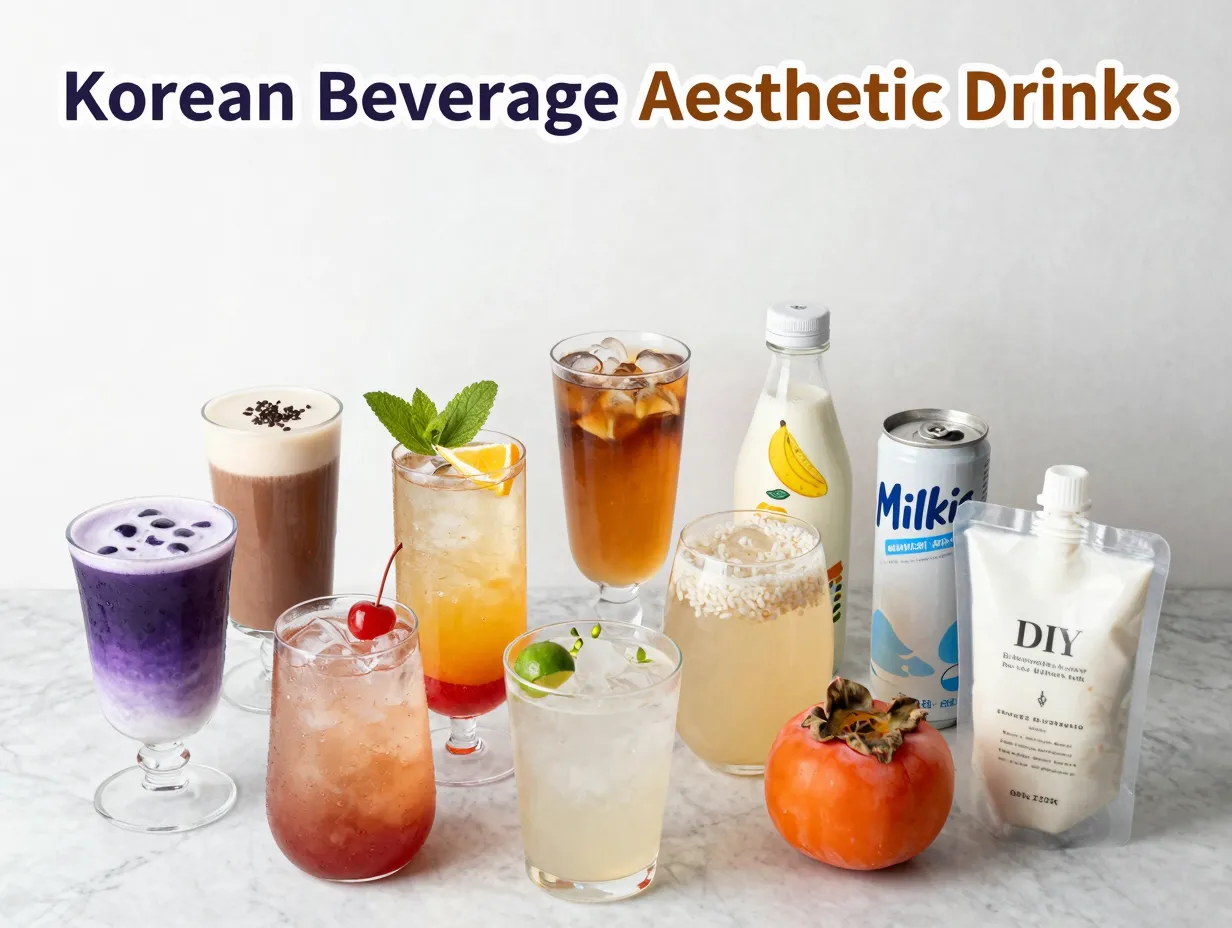
Whether you are a devoted K-culture fan or simply someone who appreciates a gorgeous drink, this guide breaks down every beverage worth knowing, why each one went viral, and how you can experience them yourself.
Key Takeaways
- Korean beverage culture in 2026 blends ancient traditional recipes with cutting-edge cafe innovation to create drinks that are both photogenic and deeply flavorful.
- Viral ingredients like ube, Dubai chocolate, and omija berries are driving global curiosity about Korean cafe trends.
- Traditional drinks like sikhye and sujeonggwa are experiencing a modern renaissance, appearing in trendy Seoul cafes alongside Western-inspired creations.
- DIY convenience store drink culture has become a social media phenomenon, making Korean beverage aesthetics accessible without visiting a specialty cafe.
- Understanding the story behind each drink deepens appreciation and helps you make smarter choices when exploring Korean beverage culture.
Why Korean Beverage Aesthetics Are Dominating Social Media in 2026
Before diving into the list of 9 Korean beverage aesthetic drinks that are taking over your feed, it helps to understand why Korean drinks photograph so well. Korean cafe culture operates on a principle that presentation is as important as flavor. Cafes invest heavily in custom glassware, layered color gradients, edible garnishes, and architectural drink designs that reward the camera.
Seoul alone has over 17,000 registered cafes, more per capita than almost any other city in the world. Competition is fierce, which means cafe owners constantly push creative boundaries. The result is a steady pipeline of visually spectacular drinks that travel from Seoul’s streets to global social feeds within hours of launch.
There is also a cultural dimension worth noting. Korean pop culture, including K-dramas, K-pop music videos, and beauty content, has primed global audiences to associate Korean aesthetics with quality and desirability. When a beloved idol is spotted holding a particular drink, that beverage can sell out across an entire city by the following morning.
What Makes a Korean Drink “Aesthetic”
The term “aesthetic” in Korean cafe culture refers to a specific set of visual qualities:
- Color contrast: Drinks often feature layered hues that create a gradient effect.
- Garnish precision: Pine nuts, dried persimmons, edible flowers, and cream art are placed with deliberate care.
- Glassware design: Tall, clear glasses that showcase layers are preferred over opaque cups.
- Seasonal relevance: Cafes rotate drinks to match seasons, creating urgency and exclusivity.
With that context established, here are the 9 Korean beverage aesthetic drinks that are taking over your feed, ranked in no particular order of preference.
The 9 Korean Beverage Aesthetic Drinks That Are Taking Over Your Feed
1. Ube Latte
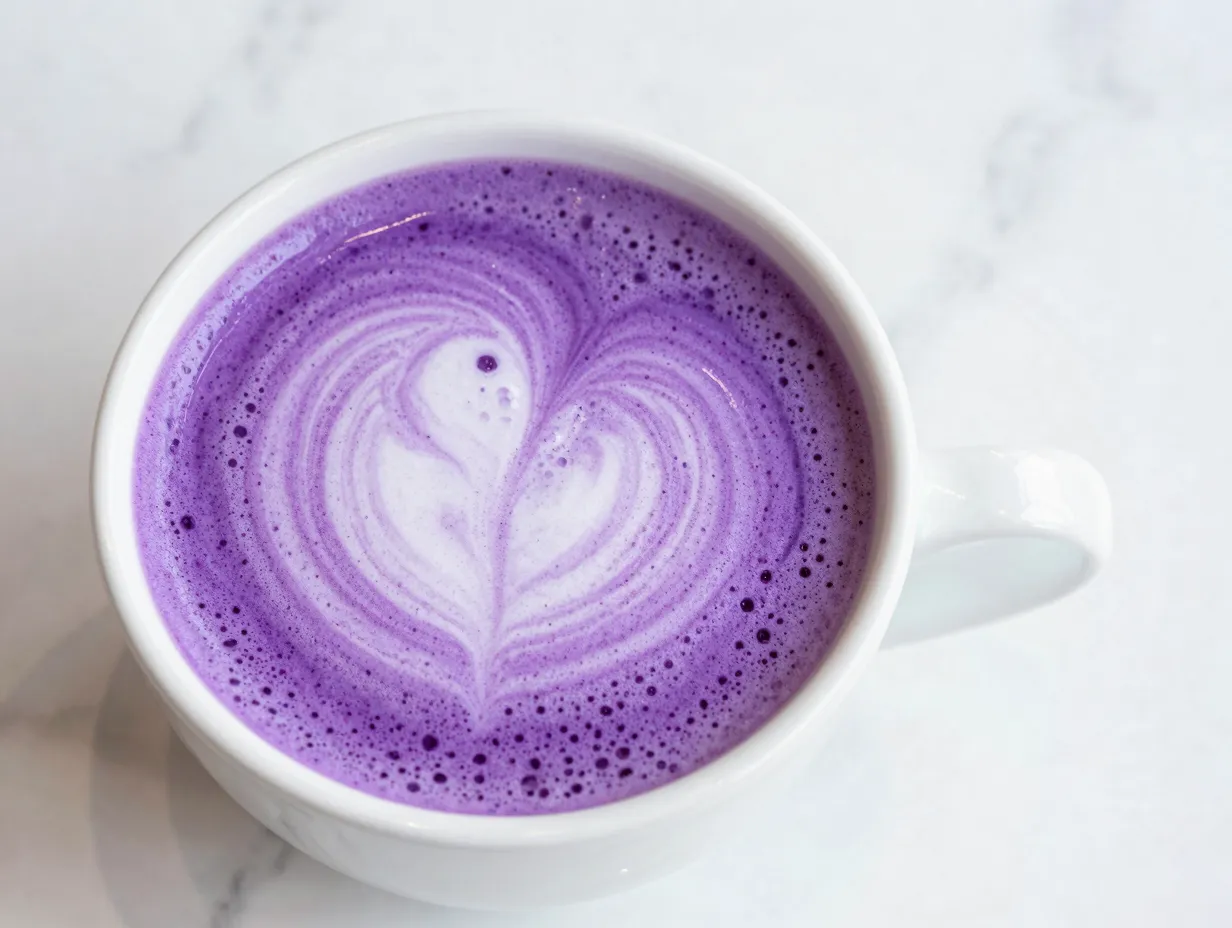
The ube latte is arguably the most visually striking entry on this list. Ube is a vibrant purple yam originally from the Philippines, but it has found a passionate second home in South Korean cafes. Its electric violet color photographs beautifully against white ceramic cups and marble cafe surfaces, making it an instant social media magnet.
Major Korean cafe chains like A Twosome Place have introduced ube-themed menus, and the ingredient has spread rapidly across independent cafes in Hongdae, Insadong, and Gangnam. [1] The flavor profile is mildly sweet with a nutty, almost vanilla-adjacent depth that pairs well with oat milk or coconut milk bases.
What makes the ube latte particularly compelling is that it satisfies both the visual and the palate simultaneously. The purple hue is entirely natural, which appeals to health-conscious consumers who are skeptical of artificial food dyes. In 2026, the ube latte remains one of the most searched Korean cafe drinks globally.
Best experienced at: Independent cafes in Hongdae or Mangwon-dong, Seoul.
2. Dubai Chocolate Drink
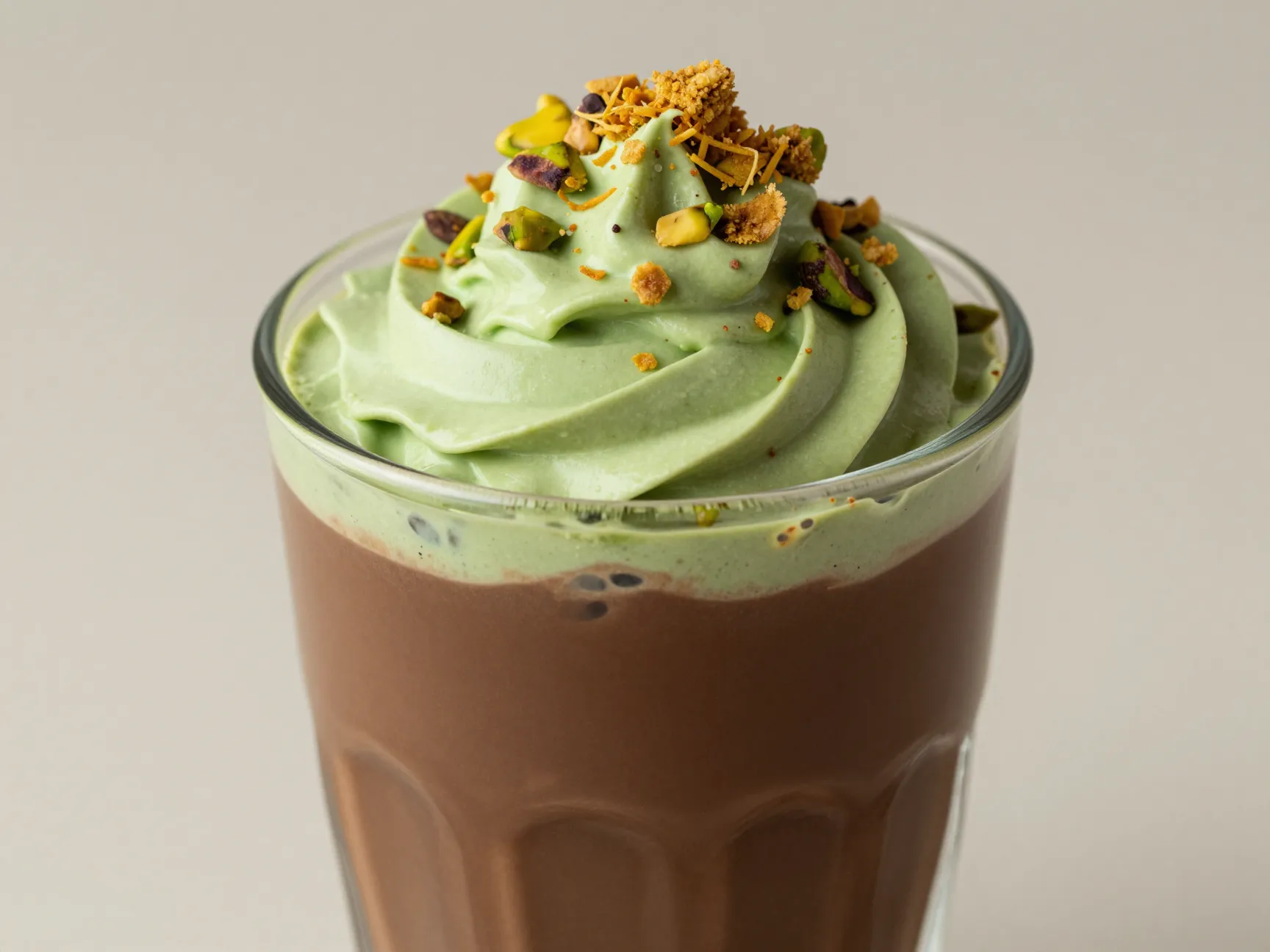
Few trends have crossed cultural borders as dramatically as the Dubai chocolate phenomenon. Originally inspired by a viral Middle Eastern chocolate bar featuring a green pistachio cream filling encased in rich dark chocolate, Seoul cafes adapted the concept into drinkable form almost immediately after the trend exploded online. [2]
The Dubai chocolate drink typically features a thick chocolate base, a swirl of pistachio cream, and a crunchy kadayif (shredded wheat pastry) topping that adds texture. The visual contrast between the deep brown chocolate and the bright green pistachio is exactly the kind of color story that performs well on TikTok.
Seoul’s adaptation of this trend demonstrates Korea’s remarkable ability to absorb global food culture and reinterpret it through a local lens. Some cafes have added Korean ingredients like black sesame or hojicha to the base, creating hybrid versions that feel distinctly Korean despite the Middle Eastern inspiration. [2]
Pro tip: Order the Dubai chocolate drink alongside a small dessert plate for the most shareable flat-lay photograph.
3. DIY Convenience Store Pouch Drink
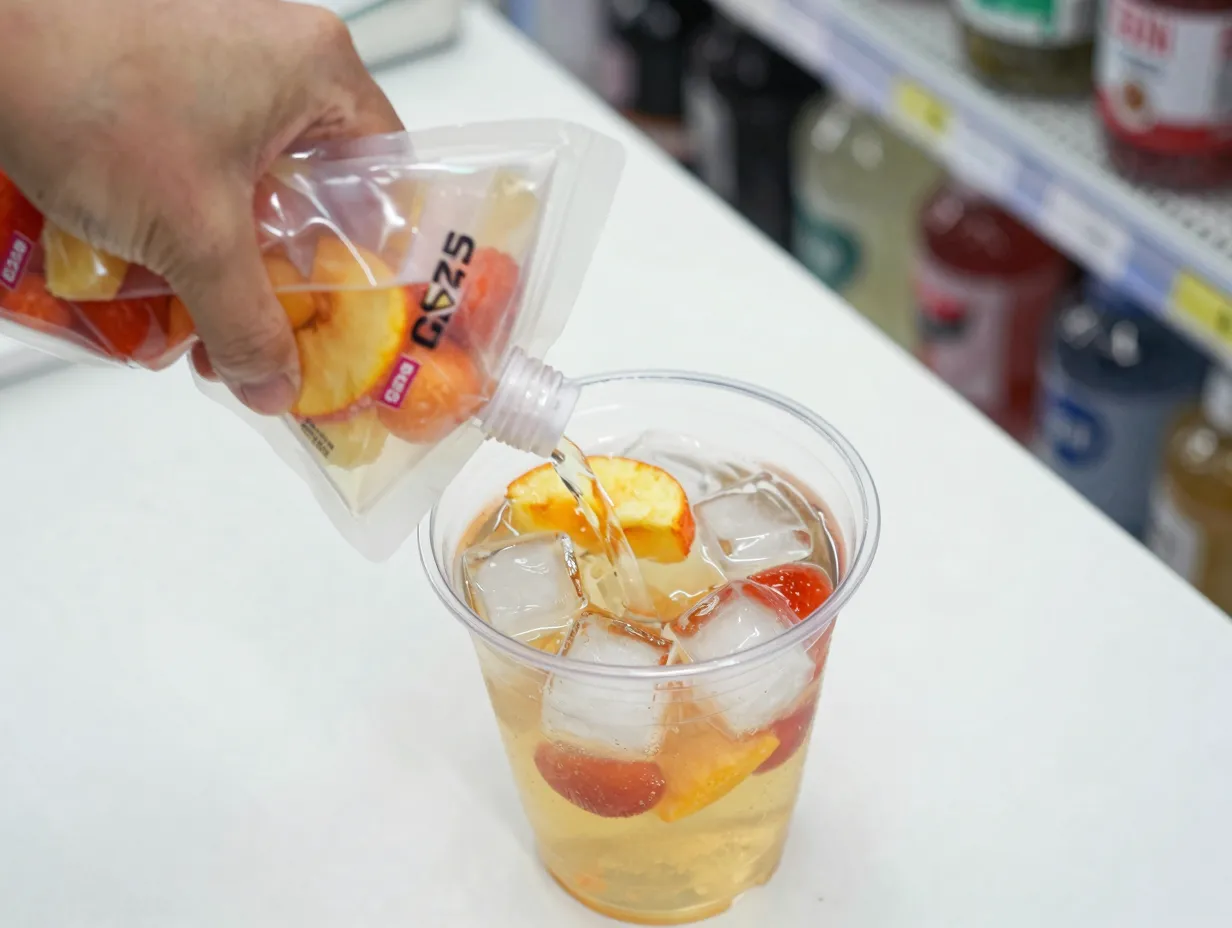
Not all of the 9 Korean beverage aesthetic drinks that are taking over your feed require a cafe visit. The DIY convenience store pouch drink trend has democratized Korean beverage aesthetics in a way that no single cafe chain could achieve alone. [3]
The trend works like this: you walk into a GS25, CU, or 7-Eleven convenience store in Korea, purchase a pre-packaged flavored drink pouch (often fruit-flavored or yogurt-based), and then mix it with a separate cup of ice and additional ingredients like sparkling water or fruit pieces. The result is a personalized, refreshing drink that you assembled yourself.
Social media users have turned the assembly process into content in its own right. Videos showing the “pour and mix” moment, where the colored liquid cascades over ice, consistently generate high engagement. The trend is also budget-friendly, with most combinations costing under 3,000 Korean won (approximately 2.20 USD). [3]
| Convenience Store | Popular Pouch Flavors | Average Cost |
|---|---|---|
| GS25 | Watermelon, Peach, Grape | 1,500-2,500 KRW |
| CU | Strawberry Yogurt, Lemon | 1,200-2,000 KRW |
| 7-Eleven Korea | Mango, Green Apple | 1,500-2,200 KRW |
4. Omija Tea Fizz
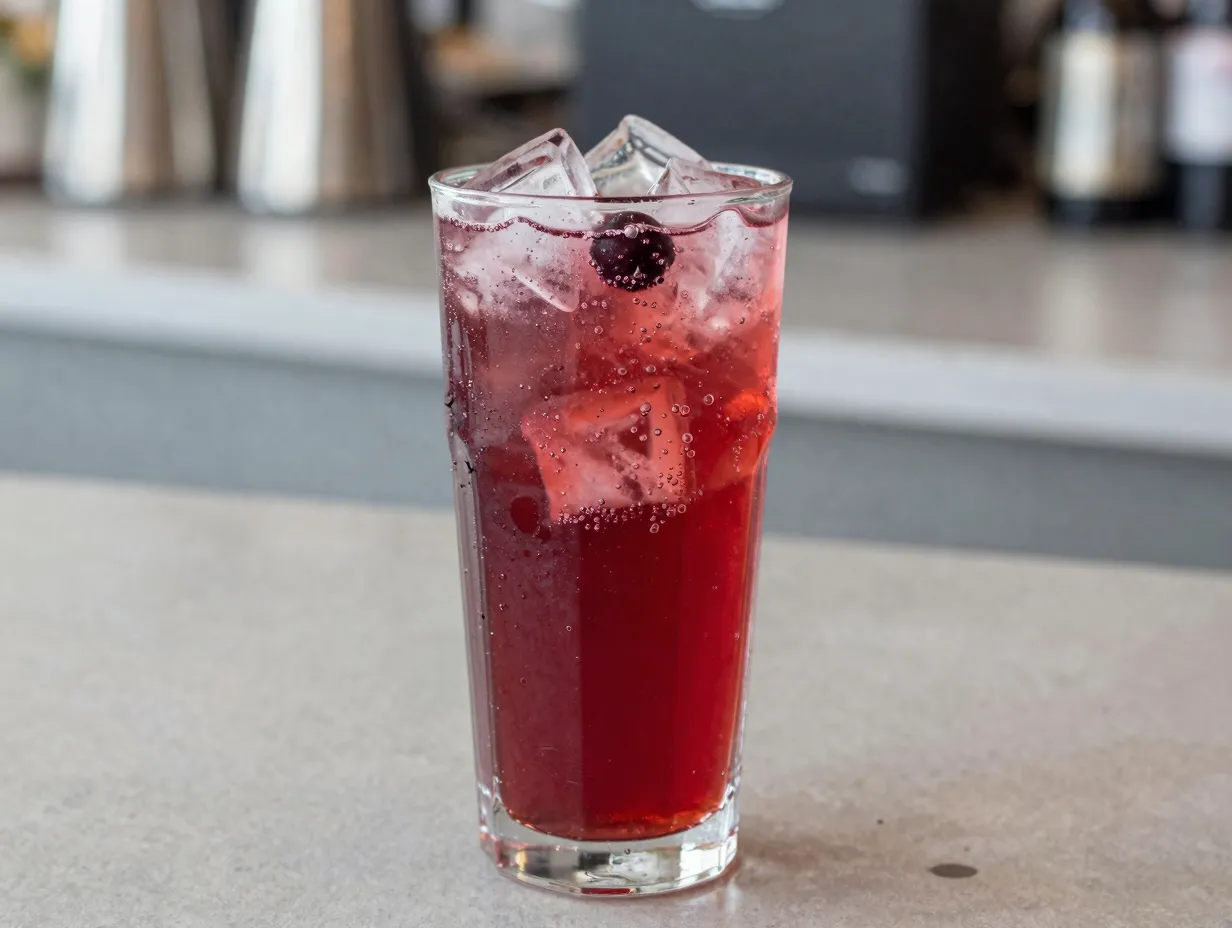
Omija, often called the “five-flavor berry,” is one of Korea’s most fascinating traditional ingredients. The name itself translates to “five tastes,” referring to the berry’s extraordinary ability to deliver sweet, sour, salty, bitter, and spicy sensations in a single sip. When carbonated and served over ice, omija transforms into one of the most refreshing and visually stunning drinks in Korean cafe culture.
Starbucks Korea introduced the New Mungyeong Omija Fizzio as a Korea-exclusive beverage, bringing this traditional ingredient to a mainstream audience. [4] The drink’s deep red-pink color is entirely natural, derived from the omija berry itself, which makes it a favorite subject for beverage photography.
Beyond aesthetics, omija has a strong wellness narrative. Traditional Korean medicine has long valued the berry for its adaptogenic properties and its positive effects on liver health and mental clarity. In 2026, the intersection of wellness culture and visual appeal makes omija-based drinks particularly powerful on health-focused social media platforms.
Key flavor note: Omija fizz tastes dramatically different from anything in Western beverage culture. First-timers often describe the experience as surprising but deeply satisfying after the initial shock.
5. Jeju-Inspired Latte
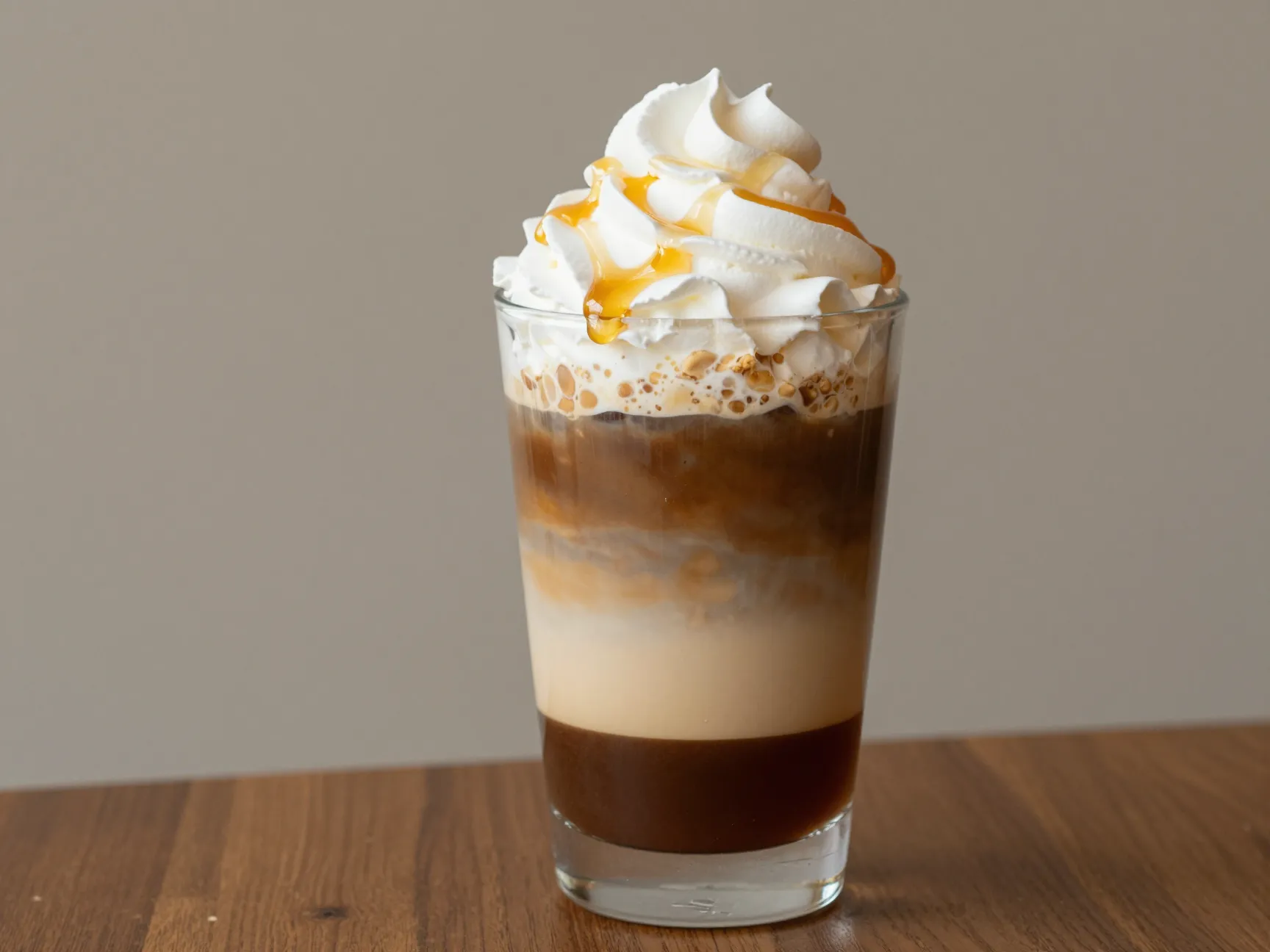
Jeju Island, Korea’s volcanic southern island, has become a powerful branding tool for Korean beverage culture. Starbucks Korea has led this charge with exclusive offerings like the Jeju Honey Peanut Latte and the Jeju Hoji Tea Cream Frappuccino, both of which use ingredients sourced from or inspired by the island’s unique agricultural heritage. [4]
The Jeju Honey Peanut Latte deserves special mention for its layered visual presentation. The drink typically features a warm espresso base, a layer of peanut-infused milk, and a generous crown of whipped cream drizzled with Jeju honey. The color gradient from dark espresso at the base to cream at the top creates a natural visual hierarchy that photographs beautifully.
Jeju-inspired drinks also carry a strong sense of place and story, which adds emotional depth to the aesthetic experience. When you hold a Jeju-branded drink, you are not just consuming a beverage. You are participating in a narrative about Korea’s natural beauty and regional identity.
“Korean cafes have mastered the art of selling a feeling, not just a flavor. Jeju-inspired drinks sell the island itself.”
6. Banana Milk
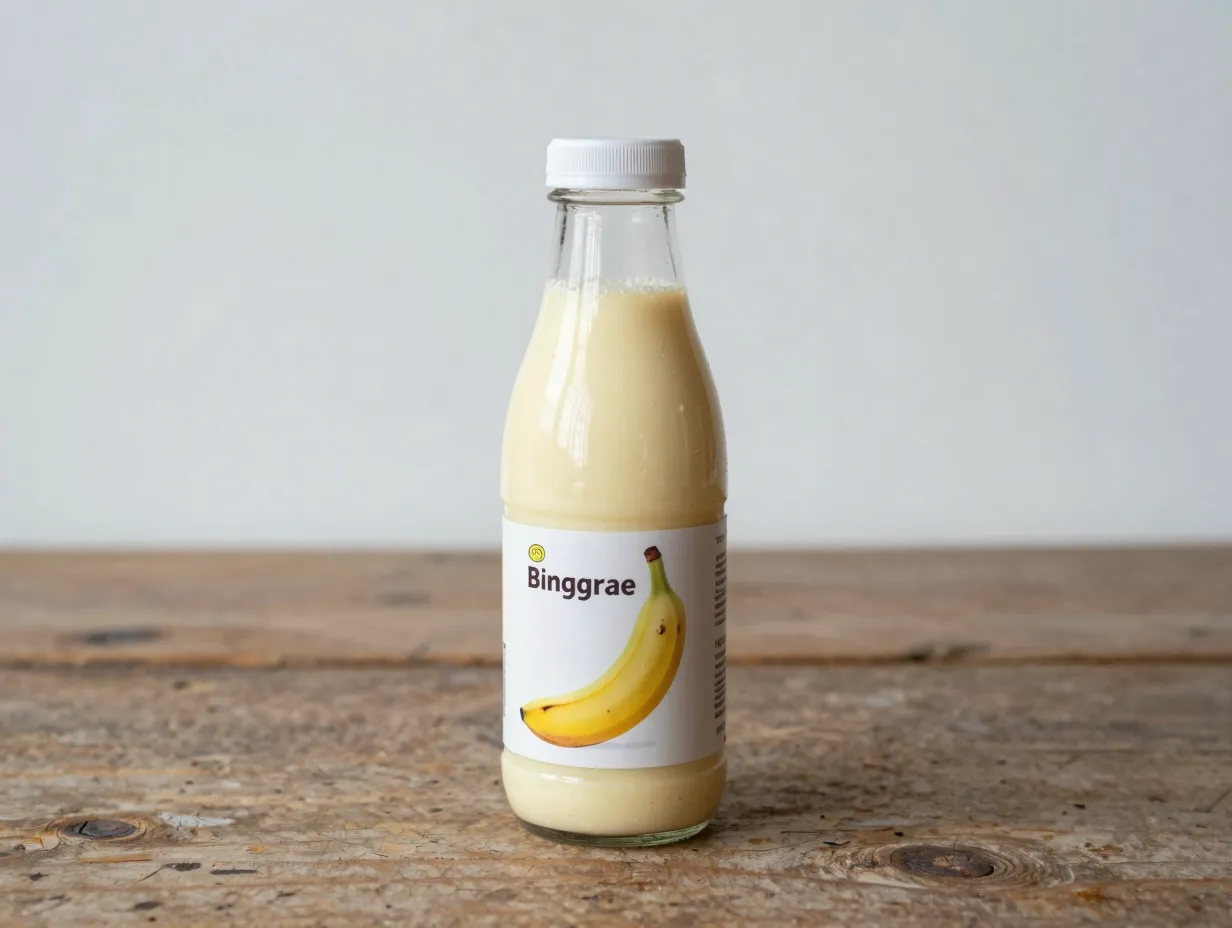
Banana milk occupies a unique position in Korean beverage culture. It is simultaneously a nostalgic childhood staple and a modern aesthetic icon. Approximately one million bottles of banana-flavored milk are sold daily in South Korea, making it one of the country’s most beloved beverages. [5]
The iconic barrel-shaped bottle designed by Binggrae has remained virtually unchanged since its introduction in 1974. That consistency is part of its charm. In an era of constant novelty, banana milk’s unchanging identity feels reassuring and authentic. Korean content creators frequently feature banana milk in “daily vlog” style videos, positioning it as a symbol of everyday Korean life.
The drink’s pastel yellow color and distinctive bottle shape make it instantly recognizable in photographs. It has appeared in countless K-dramas, K-pop music videos, and travel vlogs, cementing its status as a visual shorthand for Korean culture.
Why it works on social media: Banana milk is not trying to be trendy. Its authenticity is the trend. In a feed full of elaborate, constructed beverages, a simple banana milk bottle stands out precisely because of its simplicity.
7. Milkis
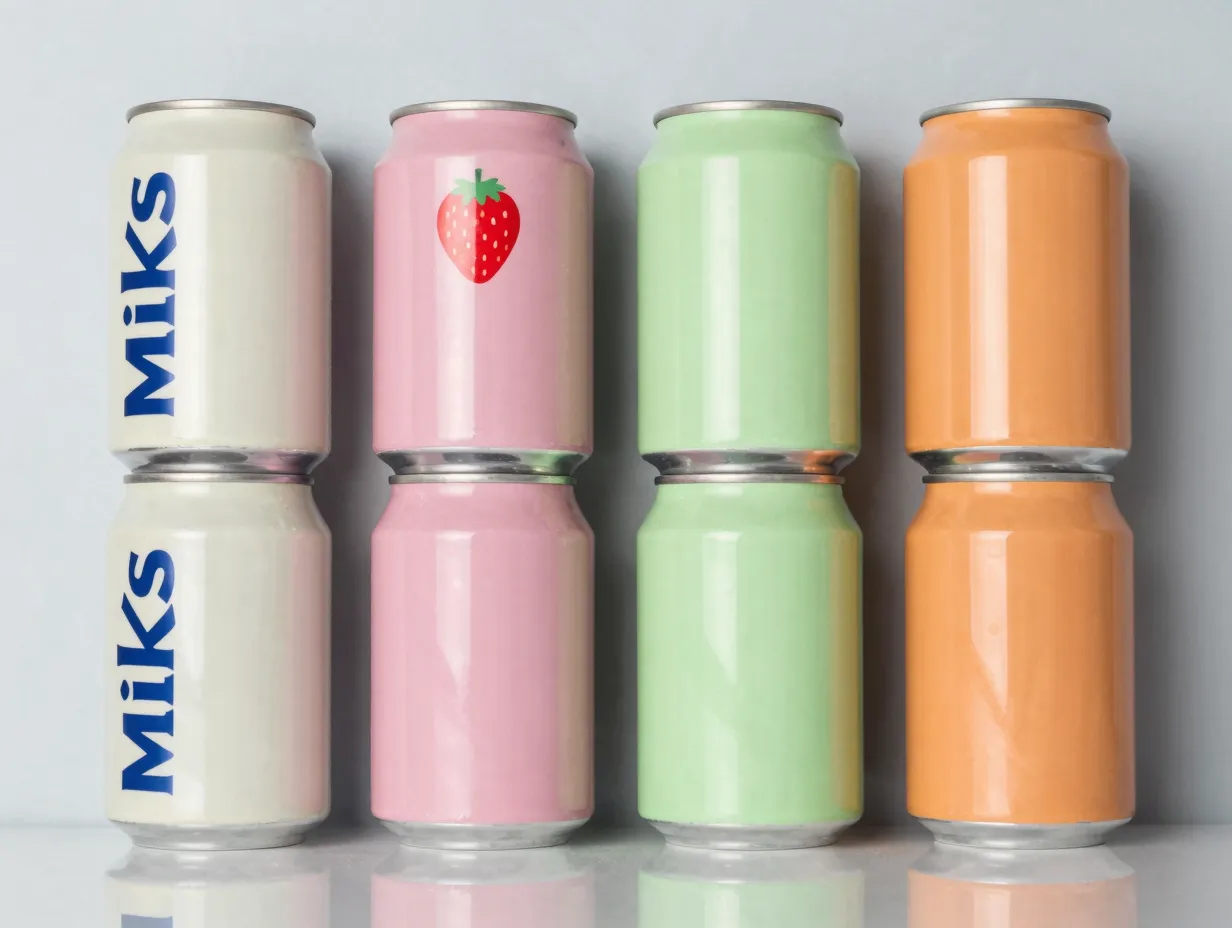
Milkis is the kind of drink that sounds unusual until you try it, and then you cannot stop thinking about it. Produced by Lotte Chilsung, Milkis combines carbonated water with a creamy milk base and comes in flavors including strawberry, orange, melon, and original. [6]
The concept of fizzy milk is counterintuitive to most Western palates, but Milkis has built a devoted following both domestically and internationally. The drink’s pastel-colored cans are inherently photogenic, and the flavor experience is genuinely surprising in the best possible way. The carbonation cuts through the creaminess in a way that feels light rather than heavy.
Milkis has gained particular traction on TikTok through “first taste reaction” videos, where international viewers try the drink for the first time and share their genuine surprise at how pleasant it tastes. This reaction-video format has introduced millions of viewers to Korean beverage culture through a single, accessible product.
| Flavor | Color | Flavor Profile |
|---|---|---|
| Original | White/Cream | Mild, creamy, lightly sweet |
| Strawberry | Pink | Sweet, fruity, bubbly |
| Melon | Light Green | Fresh, honeydew-forward |
| Orange | Orange | Citrusy, tangy, creamy |
8. Sikhye (Sweet Rice Punch)
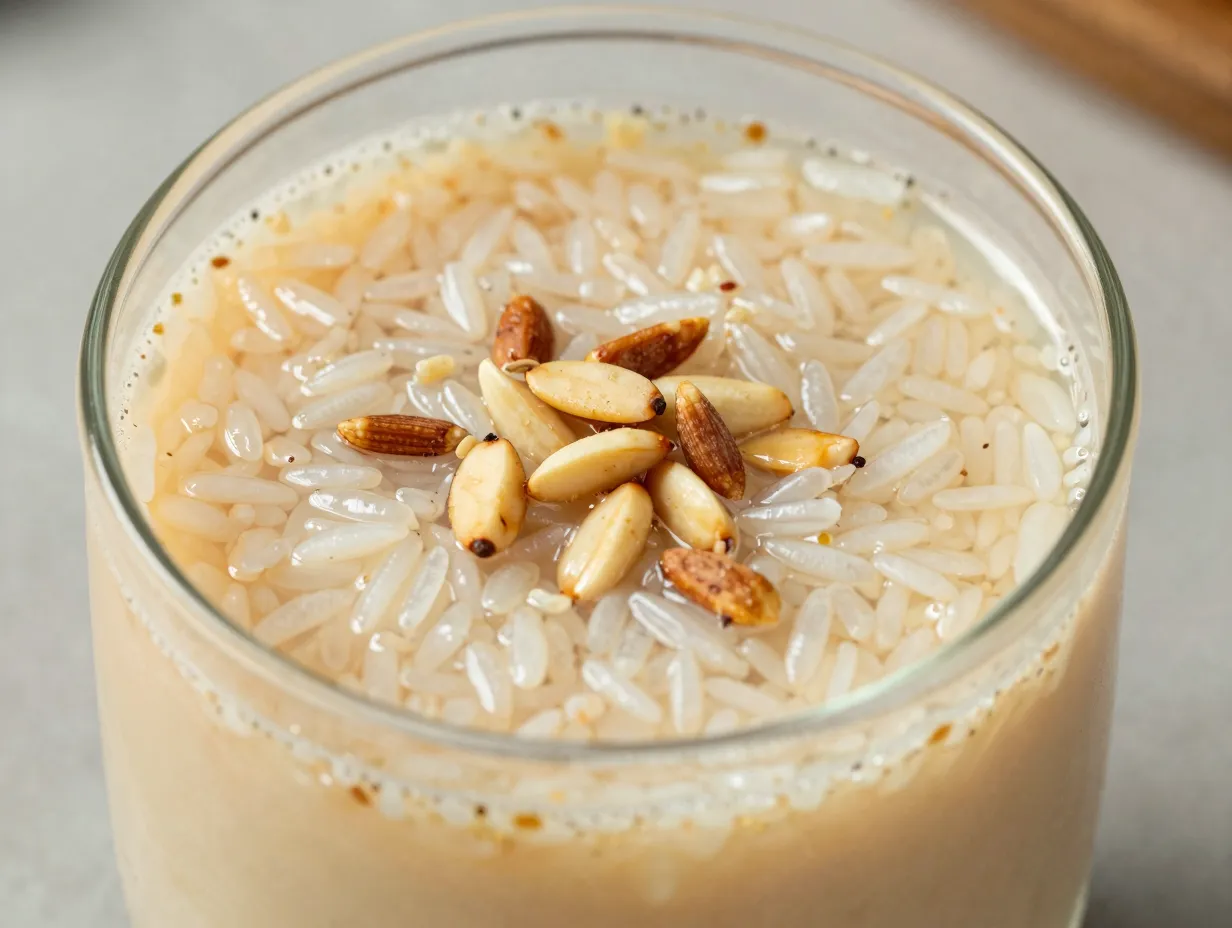
Sikhye is one of Korea’s oldest traditional beverages, and in 2026 it is experiencing a genuine cultural renaissance. Made by fermenting malted barley with cooked rice, sikhye is a lightly sweet, grain-forward drink that is typically served cold with a few grains of rice floating at the surface and pine nuts arranged on top. [7]
The visual presentation of sikhye is deceptively simple but deeply elegant. The pale golden liquid, the suspended rice grains, and the precisely placed pine nuts create a composition that feels both ancient and modern. Contemporary Korean cafes have elevated sikhye by serving it in tall, clear glasses that showcase the floating elements, turning a traditional beverage into a sophisticated aesthetic experience.
Sikhye also has a strong wellness story. It is known to aid digestion, and its gentle sweetness comes from natural fermentation rather than added sugar. For health-conscious consumers who are also drawn to Korean food culture, sikhye represents the ideal intersection of tradition, wellness, and visual beauty.
How to make sikhye at home:
- Brew a strong barley malt tea and let it cool.
- Mix with cooked, slightly firm rice.
- Allow to ferment at a warm temperature (around 60 degrees Celsius) for 4 to 6 hours.
- Chill thoroughly and serve with pine nuts and a few cooked rice grains as garnish.
9. Sujeonggwa (Cinnamon Punch)
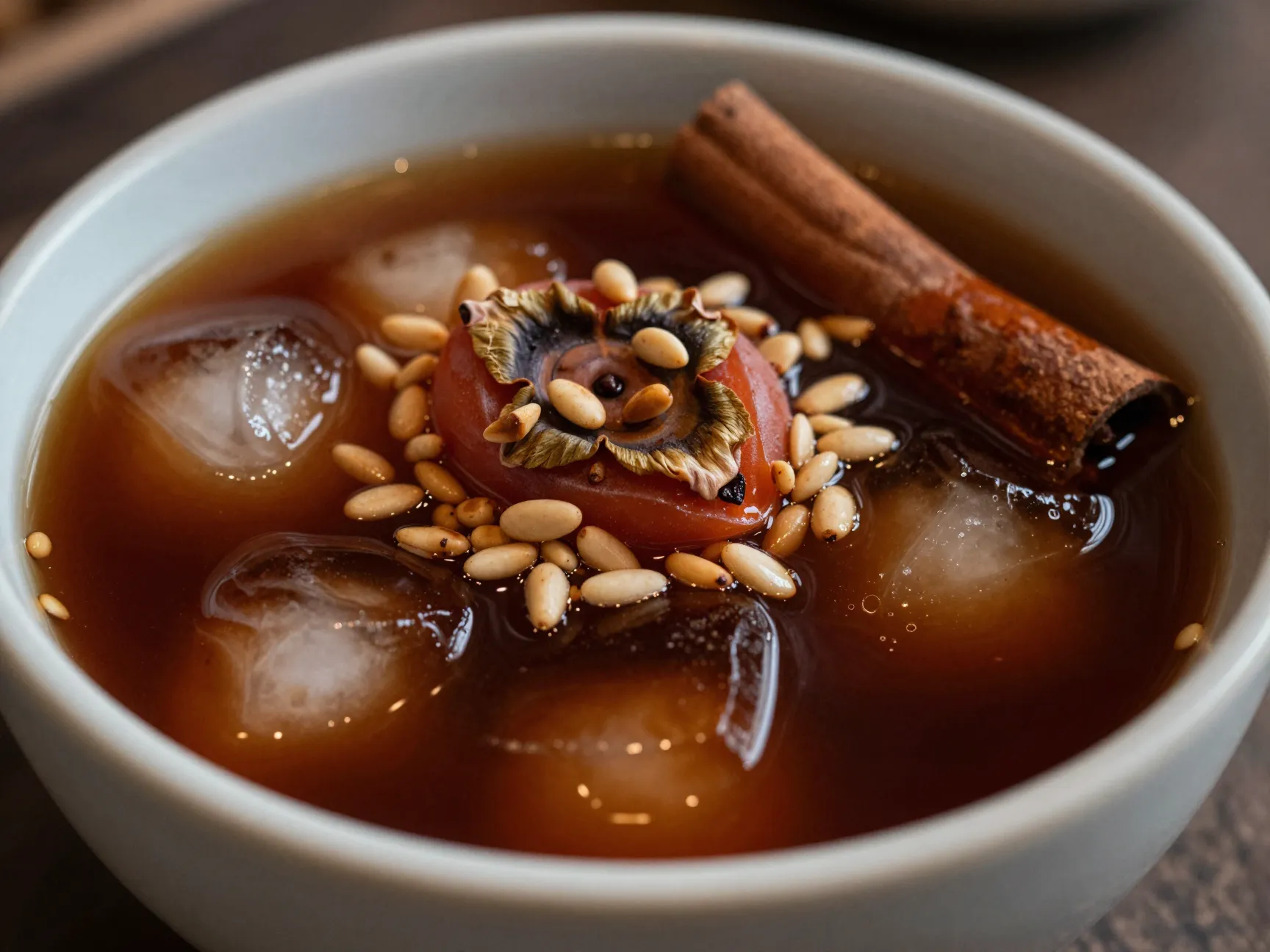
Sujeonggwa is the drink that surprises nearly everyone who encounters it for the first time. This traditional Korean cinnamon punch is brewed with dried ginger and cinnamon sticks, sweetened with honey or brown sugar, and served chilled over ice. It is garnished with pine nuts and, in its most traditional form, a piece of dried persimmon. [7]
The color of sujeonggwa is a deep, rich mahogany that photographs like liquid amber. The contrast between the dark punch and the pale pine nuts creates a visual tension that is quietly dramatic. Modern cafes have amplified this drama by serving sujeonggwa in wide, shallow bowls or oversized clear cups that maximize the visual impact of the color.
What makes sujeonggwa particularly compelling in 2026 is its flavor complexity. The combination of warming cinnamon and sharp ginger, balanced by honey sweetness, creates a drink that feels simultaneously comforting and invigorating. It is the kind of beverage that rewards slow sipping, which is exactly the kind of experience that Korean cafe culture is designed to facilitate.
Sujeonggwa is proof that Korean beverage culture does not need novelty to be compelling. Sometimes the oldest recipe in the room is the most interesting one.
How to Experience These Drinks Without Traveling to Korea
I understand that not everyone can book a flight to Seoul on short notice. The good news is that the global reach of Korean beverage culture means many of these drinks are increasingly accessible outside Korea.
Practical steps to try Korean aesthetic drinks in 2026:
- Visit Korean grocery stores: Banana milk, Milkis, and packaged sikhye are widely available at H Mart, Lotte Market, and similar Korean supermarkets in North America, Europe, and Australia.
- Explore Korean cafes in your city: Major metropolitan areas now have dedicated Korean-style cafes that serve ube lattes, omija teas, and other trending beverages.
- Make traditional drinks at home: Sikhye and sujeonggwa are both achievable with ingredients available at Asian grocery stores. The process is meditative and the results are genuinely impressive.
- Follow Korean cafe accounts on social media: Accounts based in Seoul regularly post new drink launches, which helps you stay current with trends before they reach international markets.
- Order Korean beverage kits online: Several e-commerce platforms now offer curated Korean beverage kits that include traditional ingredients and preparation guides.
The Cultural Significance Behind the Aesthetic
It would be easy to dismiss the 9 Korean beverage aesthetic drinks that are taking over your feed as pure visual marketing. But that reading misses something important. Each drink on this list carries a cultural story.
Banana milk connects to Korea’s postwar economic development and the childhood memories of multiple generations. Sikhye and sujeonggwa are living artifacts of Joseon Dynasty food culture. The ube latte reflects Korea’s openness to Asian diaspora ingredients and its willingness to celebrate flavors from neighboring cultures. The Dubai chocolate drink demonstrates Korea’s position as a global cultural hub that processes and reinterprets trends from around the world.
When you photograph one of these drinks and share it to your feed, you are participating in a form of cultural exchange that has real meaning. The aesthetic is the entry point, but the story is what keeps people engaged.
Conclusion
The 9 Korean beverage aesthetic drinks that are taking over your feed in 2026 are more than photogenic props for your social media content. They are windows into a culture that takes pleasure seriously, values both tradition and innovation, and understands that the way something looks is inseparable from the way it makes you feel.
Here are your actionable next steps:
- Start with banana milk or Milkis if you are new to Korean beverages. Both are widely available and offer an accessible entry point.
- Try making sikhye or sujeonggwa at home using the preparation notes in this guide. Both recipes are achievable on a weekend afternoon.
- If you are visiting Seoul, prioritize the Hongdae and Mangwon-dong neighborhoods for the most concentrated selection of aesthetic cafes.
- Follow Korean cafe culture accounts on Instagram and TikTok to stay current with the next wave of viral drinks before they reach your local market.
- Share your experience. Korean beverage culture thrives on community participation, and your honest reaction to trying these drinks for the first time is exactly the kind of content that keeps the cycle of discovery alive.
The feed is already full of these drinks. Now you know exactly what you are looking at, where they come from, and why they matter.
References
[1] How Viral Ube Drinks And Desserts Are Taking Over South Korean Cafes – https://www.scmp.com/lifestyle/food-drink/article/3351302/how-viral-ube-drinks-and-desserts-are-taking-over-south-korean-cafes?utm_source=openai
[2] Korean Cafe Trends Dubai Chocolate Ube Seoul – https://seouleditblog.com/blog/korean-cafe-trends-dubai-chocolate-ube-seoul?utm_source=openai
[3] Korean Convenience Store Diy Pouch Drink Trend – https://koreaquicktips.com/korean-convenience-store-diy-pouch-drink-trend/?utm_source=openai
[4] 9 Starbucks Drinks That You Can Only Find In Korea – https://10mag.com/9-starbucks-drinks-that-you-can-only-find-in-korea/?utm_source=openai
[5] Popular South Korean Drinks – https://www.chefspencil.com/popular-south-korean-drinks/?utm_source=openai
[6] Milkis – https://en.wikipedia.org/wiki/Milkis?utm_source=openai
[7] 9 Refreshing Korean Drinks To Cool Down With – https://justdiprecipes.com/9-refreshing-korean-drinks-to-cool-down-with/?utm_source=openai