
8 Science-Backed Apple Cider Vinegar Drink Benefits You Need to Know
Nearly 30 million Americans with Type 2 diabetes are actively searching for natural ways to support their blood sugar management — and a humble pantry staple kept showing up in the research. Apple cider vinegar, long dismissed as folk medicine, has earned a growing body of peer-reviewed attention in recent years. If you have been curious about what the science actually says, this guide on the 8 science-backed apple cider vinegar drink benefits you need to know cuts through the noise and gives you real, evidence-based answers.
Disclosure: This post contains affiliate links. As an Amazon Associate, we earn from qualifying purchases, and at no extra cost to you.

I first started paying attention to ACV after a friend’s endocrinologist mentioned it during a routine checkup. That conversation sent me down a research rabbit hole that took weeks to fully explore. What I found was more nuanced — and more promising — than the breathless claims you see on social media. There is legitimate science here, but there are also important caveats every reader deserves to understand.
Key Takeaways
- ACV has demonstrated measurable effects on blood sugar, cholesterol, and weight management in clinical studies, though results are modest.
- The acetic acid in ACV is the primary active compound responsible for most of its documented health effects.
- Diluting ACV before drinking is essential to protect tooth enamel and the esophagus.
- Most benefits require consistent, daily use over weeks or months — ACV is not a quick fix.
- ACV should complement, not replace, medical treatment or a healthy lifestyle.
What Is Apple Cider Vinegar and Why Does It Matter in 2026
Apple cider vinegar is made through a two-step fermentation process. First, crushed apples are exposed to yeast, which converts the sugars into alcohol. Then, bacteria convert the alcohol into acetic acid — the compound that gives ACV its sharp smell and most of its health-relevant properties.
The most sought-after form is raw, unfiltered ACV “with the mother” — a cloudy sediment made up of proteins, enzymes, and beneficial bacteria. Many researchers believe this form retains more bioactive compounds than filtered versions.
Quick ACV Facts:
| Feature | Detail |
|---|---|
| Main active compound | Acetic acid (5-6% concentration) |
| Calories per tablespoon | Approximately 3 |
| Recommended daily dose | 1-2 tablespoons diluted in water |
| pH level | Around 2-3 (highly acidic) |
| Best form for benefits | Raw, unfiltered with the mother |
Understanding this foundation makes it easier to evaluate each of the 8 science-backed apple cider vinegar drink benefits you need to know in the sections ahead.
The 8 Science-Backed Apple Cider Vinegar Drink Benefits You Need to Know
1. Blood Sugar Control

Of all the documented benefits, blood sugar regulation has the strongest research behind it. A 2021 meta-analysis found that consuming ACV reduced fasting blood glucose by approximately 8 mg/dL in people with Type 2 diabetes [1]. That is a clinically meaningful number, particularly for individuals managing borderline glucose levels.
The mechanism appears straightforward. Acetic acid slows the rate at which the stomach empties after a meal, which in turn slows glucose absorption into the bloodstream. This blunting effect on post-meal blood sugar spikes is sometimes called the “antiglycemic effect” of vinegar.
“Even modest reductions in fasting blood glucose can have compounding benefits over time for people managing metabolic conditions.”
Practical tip: Drinking one tablespoon of ACV diluted in a large glass of water before a high-carbohydrate meal may help reduce the post-meal glucose spike. Always consult your doctor before making changes if you are on diabetes medication, as ACV can amplify the effects of insulin or other glucose-lowering drugs [1].
2. Weight Management Support

Weight loss claims about ACV are everywhere online, and the truth is more modest than the headlines suggest. Some studies do show that ACV increases feelings of fullness (satiety), which can lead to reduced calorie intake throughout the day [2].
One frequently cited Japanese study found that participants who consumed 1-2 tablespoons of vinegar daily for 12 weeks lost slightly more body weight and belly fat than the control group. The differences were real but small — roughly 2-4 pounds over three months.
Harvard Health Publishing notes that while the effects are real, ACV should not be relied upon as a primary weight loss strategy [2]. It works best as one component of a broader approach that includes a calorie-conscious diet and regular physical activity.
What the research actually supports:
- Modest reduction in appetite when consumed before meals
- Small but measurable decrease in body weight over 12+ weeks
- Possible reduction in visceral (belly) fat accumulation
- No evidence of significant weight loss without dietary changes
I tried this myself for 60 days — one tablespoon in water before lunch and dinner. I did notice I felt full faster at meals, but I cannot attribute any weight change to ACV alone since I was also eating more mindfully during that period.
3. Cholesterol Reduction
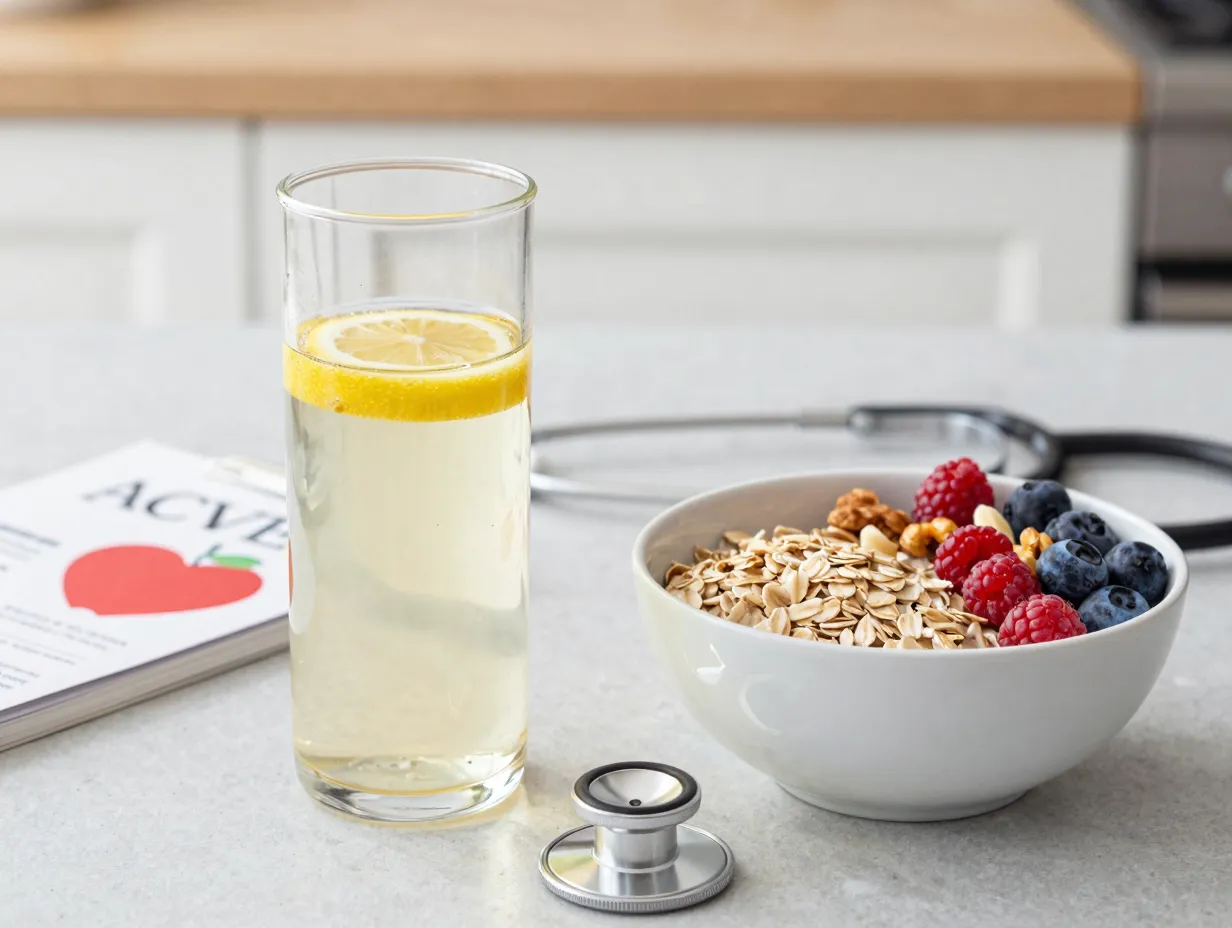
Heart disease remains the leading cause of death globally, which makes any evidence-based dietary strategy worth examining carefully. Research indicates that ACV consumption may lead to a decrease in total cholesterol and LDL (“bad”) cholesterol levels, particularly in individuals with Type 2 diabetes [1].
The proposed mechanism involves acetic acid interfering with enzymes that drive cholesterol synthesis in the liver — a similar (though far weaker) pathway to how statin medications work.
Cholesterol impact summary:
| Cholesterol Marker | Observed Effect |
|---|---|
| Total cholesterol | Modest decrease |
| LDL (“bad”) cholesterol | Modest decrease |
| HDL (“good”) cholesterol | Little to no change |
| Triglycerides | Some reduction noted |
It is important to be clear: the effect sizes are small, and ACV is not a replacement for prescribed cholesterol-lowering medications. However, as a complementary dietary habit, it may contribute positively to a heart-healthy lifestyle [1].
4. Antimicrobial Properties
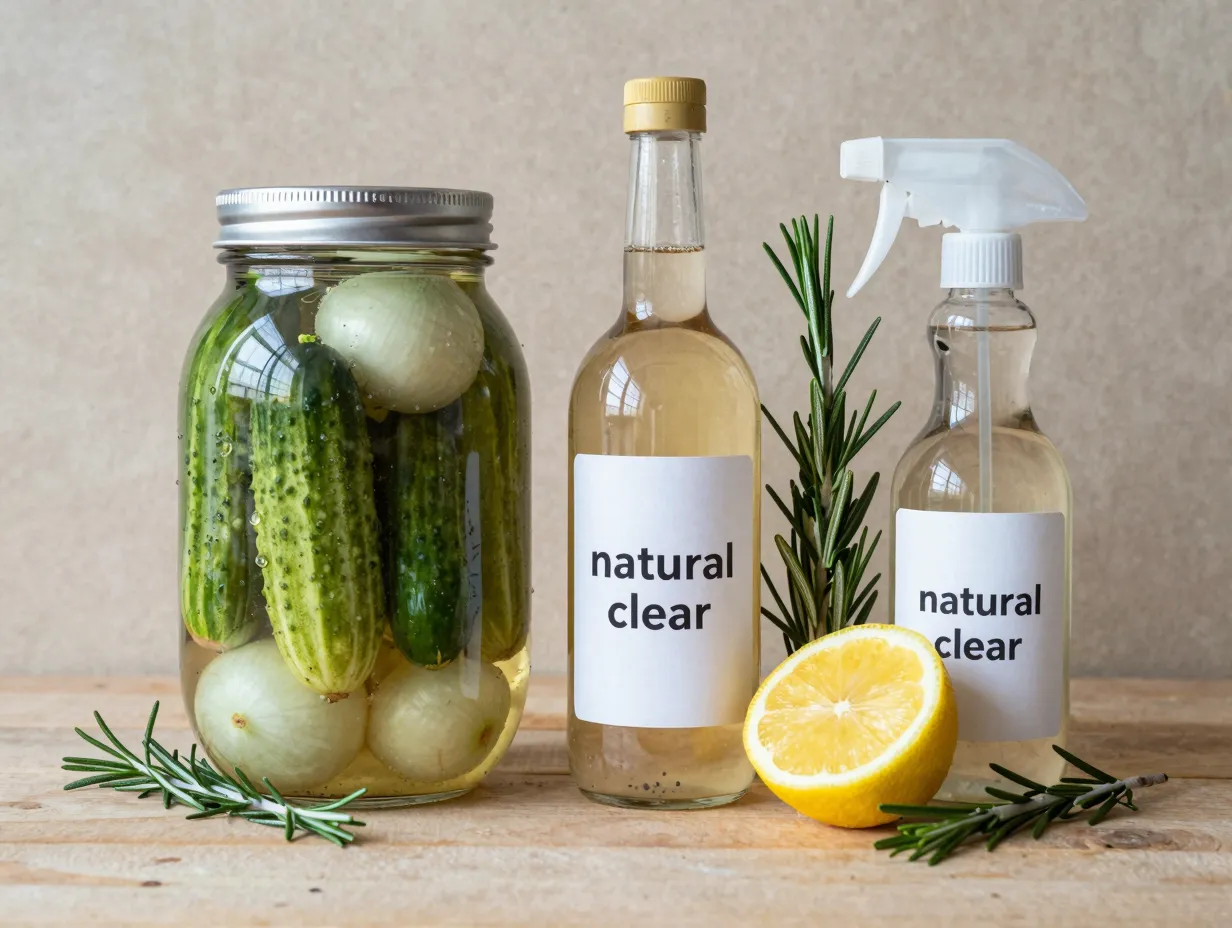
Long before refrigeration existed, vinegar was used to preserve food. That was not just tradition — it was applied microbiology. ACV has demonstrated genuine antimicrobial properties in laboratory settings, showing the ability to kill or inhibit harmful bacteria and fungi [3].
Acetic acid disrupts the cell membranes of pathogens, making it effective against organisms like E. coli, Staphylococcus aureus, and Candida albicans. This is why ACV has been used as a natural food preservative and surface disinfectant for centuries.
Where antimicrobial benefits apply:
- Food preservation (pickling and marinating)
- Natural surface cleaning (diluted solutions)
- Oral hygiene support (used cautiously due to acidity)
- Topical wound care in folk medicine traditions
However, it is critical to understand that “antimicrobial in a lab dish” does not automatically translate to the same effect inside the human body. The stomach’s own acid environment, dilution effects, and complex microbial ecosystems all influence real-world outcomes [3].
5. Digestive Health

This is one of the benefits I hear most often from people who drink ACV regularly, and there is a plausible biological explanation for it. The acetic acid in ACV may stimulate stomach acid production, which could improve the breakdown of food and nutrient absorption [4].
Many people — particularly older adults — have lower-than-optimal stomach acid levels (a condition called hypochlorhydria). Insufficient stomach acid can lead to bloating, indigestion, and poor absorption of key nutrients like B12, iron, and calcium. ACV may help compensate for this deficit.
“Supporting stomach acid levels naturally is one of the most underappreciated aspects of digestive wellness.”
Cleveland Clinic notes that while the digestive benefits of ACV are promising, more large-scale human trials are needed to confirm the extent of these effects [4].
Signs that digestive support might help you:
- Frequent bloating after meals
- Feeling full long after eating
- Chronic indigestion without a diagnosed cause
- Nutrient deficiencies despite adequate dietary intake
One tablespoon in a glass of warm water 15-20 minutes before meals is the most commonly studied approach for digestive support.
6. Heart Health Markers

The relationship between ACV and heart health extends beyond cholesterol. Some animal studies suggest that ACV can lower blood pressure and reduce other heart disease risk factors [3]. The key word there is “animal studies” — and that distinction matters enormously.
In rodent models, acetic acid has been shown to reduce blood pressure by inhibiting an enzyme called renin, which plays a role in regulating blood vessel constriction. It has also shown potential in reducing oxidative stress markers associated with cardiovascular damage.
Current state of the evidence:
| Evidence Type | Findings |
|---|---|
| Animal studies | Promising blood pressure reduction |
| Human observational studies | Limited, mixed results |
| Randomized controlled trials | Very few, small sample sizes |
| Expert consensus | More research needed |
The honest assessment is that heart health is a benefit with biological plausibility but insufficient human evidence to make strong claims [3]. If you are managing hypertension or heart disease, ACV is not a substitute for your prescribed treatment plan.
7. Skin Health

While this article focuses on the drink benefits of ACV, skin health deserves a place in the 8 science-backed apple cider vinegar drink benefits you need to know because both topical and internal use have been studied. ACV’s antibacterial properties may help address acne and certain skin conditions when applied topically [3].
The logic is straightforward: acne is partly driven by bacterial overgrowth (specifically Cutibacterium acnes) on the skin. ACV’s antimicrobial acids — including acetic, lactic, citric, and succinic acids — may inhibit this bacterial growth.
Important safety note: ACV must always be diluted before applying to skin. Undiluted ACV has caused chemical burns in documented cases. A typical safe dilution is one part ACV to three or four parts water [3].
From a drinking perspective, some practitioners suggest that ACV’s potential to support gut health may indirectly benefit skin clarity, since gut-skin connections are an active area of microbiome research. However, this link is still largely theoretical in the context of ACV specifically.
8. Potential Antioxidant Activity
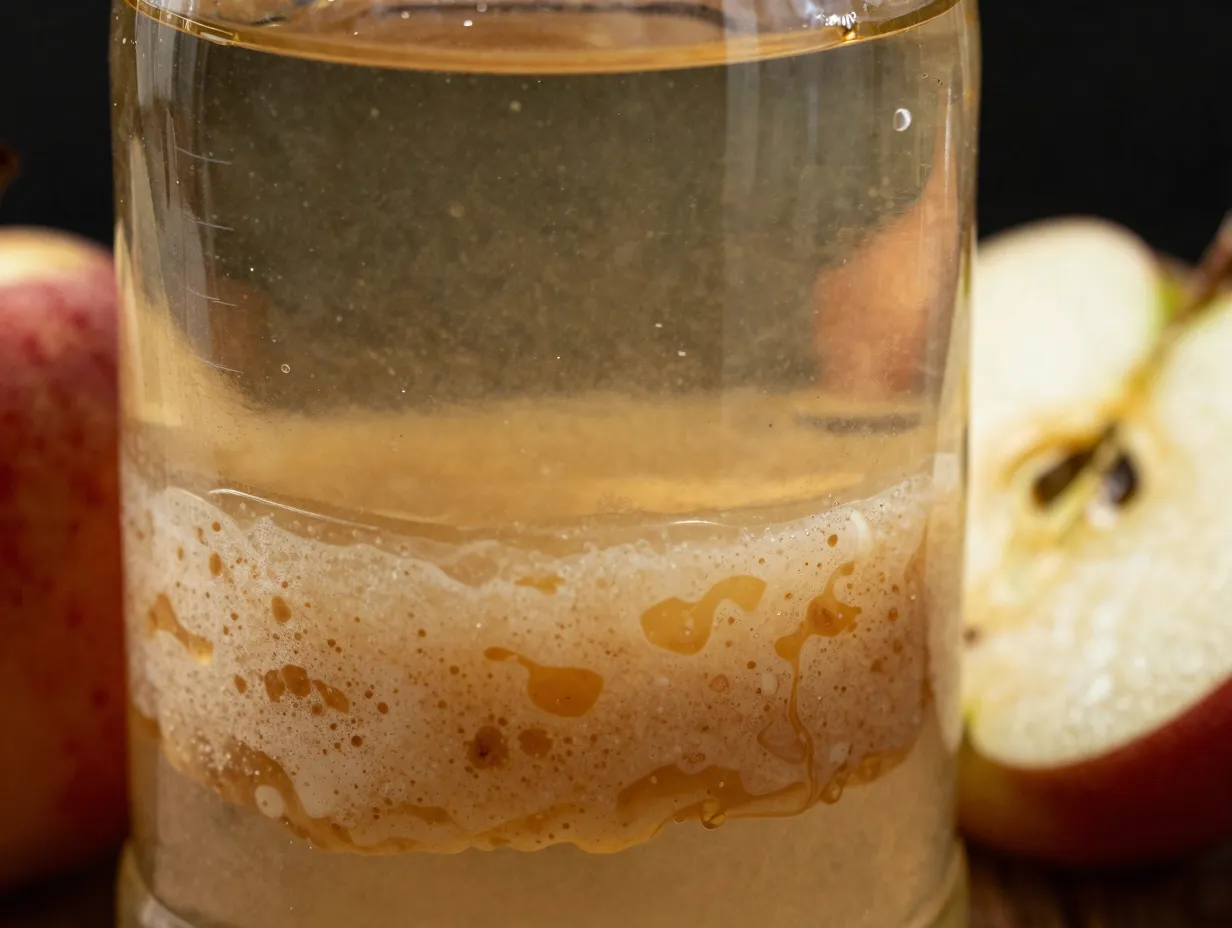
The fermentation process that creates ACV also produces polyphenols — plant-based compounds with antioxidant properties. Antioxidants help neutralize free radicals, which are unstable molecules that contribute to cellular aging and chronic disease development.
Raw, unfiltered ACV with the mother contains more of these polyphenols than filtered versions. While ACV is not a particularly concentrated source of antioxidants compared to foods like blueberries or dark chocolate, its regular consumption may contribute to overall antioxidant intake as part of a varied diet.
The research on ACV’s antioxidant effects in humans is still emerging, and most studies have been conducted in animal models or cell cultures. Still, the presence of these compounds adds another layer of biological plausibility to ACV’s broader health profile.
Safety, Side Effects, and How to Drink ACV Correctly
Understanding the 8 science-backed apple cider vinegar drink benefits you need to know is only half the picture. Knowing how to use ACV safely is equally important.
Excessive consumption can lead to serious problems. WebMD and other clinical sources document the following risks associated with undiluted or high-volume ACV use [5]:
Documented side effects:
- Tooth enamel erosion: The high acidity of ACV can wear down tooth enamel over time, increasing cavity risk.
- Throat irritation: Drinking undiluted ACV can burn the esophagus and throat lining.
- Digestive discomfort: Large amounts can cause nausea, indigestion, or worsen acid reflux.
- Drug interactions: ACV can interact with diuretics, insulin, and certain heart medications [5].
- Low potassium levels: Long-term high-dose use has been linked to hypokalemia in rare cases.
Safe usage guidelines:
- Always dilute ACV — 1 to 2 tablespoons in at least 8 ounces of water.
- Drink through a straw to minimize contact with tooth enamel.
- Rinse your mouth with plain water after consuming ACV.
- Do not exceed 2 tablespoons per day without medical guidance.
- Consult your healthcare provider if you take any prescription medications.
How to Make an ACV Drink You Will Actually Enjoy
One of the biggest barriers to consistent ACV use is the taste. Here are three simple recipes that make the experience more palatable:
Basic ACV Tonic
- 1 tablespoon raw ACV
- 8 oz warm water
- 1 teaspoon raw honey
- A squeeze of fresh lemon juice
ACV Morning Energizer
- 1 tablespoon raw ACV
- 8 oz sparkling water
- 2 slices fresh ginger
- A pinch of cayenne pepper
ACV Cinnamon Blend
- 1 tablespoon raw ACV
- 8 oz water
- 1/4 teaspoon cinnamon
- 1 teaspoon maple syrup
Each of these options masks the sharp vinegar taste while preserving the active compounds. The warm water version is particularly popular before meals for digestive support.
Who Should Be Cautious About ACV
Not everyone is an ideal candidate for regular ACV consumption. The following groups should speak with a doctor before starting:
- People with gastroparesis (delayed stomach emptying), since ACV may worsen the condition
- Individuals with chronic kidney disease, as the acid load may be problematic
- Anyone taking insulin or blood sugar medications, due to the compounding glucose-lowering effect [1]
- People with a history of esophageal damage or acid reflux disease
- Pregnant or breastfeeding women, due to limited safety data
Conclusion
The 8 science-backed apple cider vinegar drink benefits you need to know represent a genuinely interesting intersection of traditional remedy and emerging clinical research. Blood sugar control has the strongest evidence base, followed by modest but real contributions to weight management, cholesterol levels, digestive health, and antimicrobial protection. Heart health, skin benefits, and antioxidant activity round out the picture, though these areas need more robust human trials before firm conclusions can be drawn.
My honest take after deep-diving into this topic: ACV is worth adding to a healthy lifestyle if you enjoy it and use it safely. It is not a miracle cure, and it will not replace medication, exercise, or a nutritious diet. But as a low-cost, low-risk daily habit with a growing body of supportive science, it earns its place on the shelf.
Your actionable next steps:
- Start with just one teaspoon diluted in water before one meal per day to assess your tolerance.
- Gradually increase to one tablespoon if no side effects occur after one week.
- Track any changes in digestion, energy, or appetite in a simple journal.
- Schedule a conversation with your doctor if you manage diabetes, heart disease, or take prescription medications.
- Choose raw, unfiltered ACV with the mother for maximum bioactive content.
- Commit to at least 8 weeks of consistent use before evaluating results — the benefits are cumulative, not immediate.
The science is real, the risks are manageable, and the cost is minimal. That is a combination worth taking seriously in 2026.
References
[1] What Can Apple Cider Vinegar Really Do For Your Health – https://www.heart.org/en/news/2024/09/11/what-can-apple-cider-vinegar-really-do-for-your-health
[2] Apple Cider Vinegar Diet Does It Really Work – https://www.health.harvard.edu/blog/apple-cider-vinegar-diet-does-it-really-work-2018042513703
[3] Apple Cider Vinegar Health Benefits and Uses – https://www.medicalnewstoday.com/articles/323721
[4] Exploring The Health Benefits Of Apple Cider Vinegar – https://health.clevelandclinic.org/exploring-the-health-benefits-of-apple-cider-vinegar
[5] Apple Cider Vinegar – https://www.webmd.com/vitamins-supplements/apple-cider-vinegar