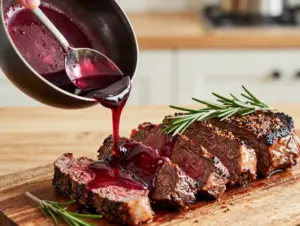
8 Restaurant-Worthy Red Wine Reduction Sauce for Steak Recipes to Master Tonight
A red wine reduction is the single technique that separates a home-cooked steak from a steakhouse experience — and most home cooks have never attempted it. In 2026, with premium restaurant meals averaging well over $60 per person, mastering these sauces at home is not just satisfying, it is genuinely economical. This guide walks you through the 8 restaurant-worthy red wine reduction sauce for steak recipes to master tonight, covering everything from classic French Bordelaise to a smoky bacon-wrapped filet finish. Whether you are cooking for a date night or a dinner party, these recipes will change how you think about steak forever.
Disclosure: This post contains affiliate links. As an Amazon Associate, we earn from qualifying purchases, and at no extra cost to you.
Key Takeaways
- A proper red wine reduction relies on three core elements: a quality dry red wine, a rich beef stock, and cold butter finished at the end.
- Pan drippings from your seared steak are liquid gold — always deglaze the pan to capture that flavor.
- You do not need an expensive bottle of wine; a good-quality, drinkable Cabernet Sauvignon or Merlot works perfectly.
- Most of these sauces take 15 to 25 minutes to prepare, making them realistic for a weeknight dinner.
- Finishing with cold butter (a technique called “mounting”) is the secret to a silky, restaurant-quality texture.
Why Red Wine Reduction Sauce Transforms Every Steak
The first time I made a red wine reduction at home, I stood over the stove convinced I was doing something wrong. The wine smelled sharp, the shallots were sizzling aggressively, and the whole thing looked like a dark, bubbling mess. Then it reduced. The color deepened to a rich burgundy, the aroma shifted from raw alcohol to something warm and complex, and when I swirled in a knob of cold butter, the sauce turned glossy and smooth. That single moment rewired my understanding of what home cooking could be.
A red wine reduction works because heat drives off the alcohol and water in the wine, concentrating the fruit, tannins, and acidity. When combined with beef stock and aromatics like shallots, garlic, and fresh herbs, the result is a sauce with layered depth that complements the savory, charred crust of a well-seared steak. The technique is not complicated, but it does require attention and a few key principles.
The three non-negotiables for any great red wine reduction:
- Use a dry red wine you would actually drink (avoid “cooking wine”)
- Use a quality beef stock, not water with a bouillon cube
- Finish with cold butter off the heat to emulsify the sauce
Understanding these fundamentals makes every recipe below easier to execute. Now, let us get into the 8 restaurant-worthy red wine reduction sauce for steak recipes to master tonight.
The 8 Restaurant-Worthy Red Wine Reduction Sauce for Steak Recipes to Master Tonight
1. Classic Red Wine Reduction with Shallots and Fresh Herbs
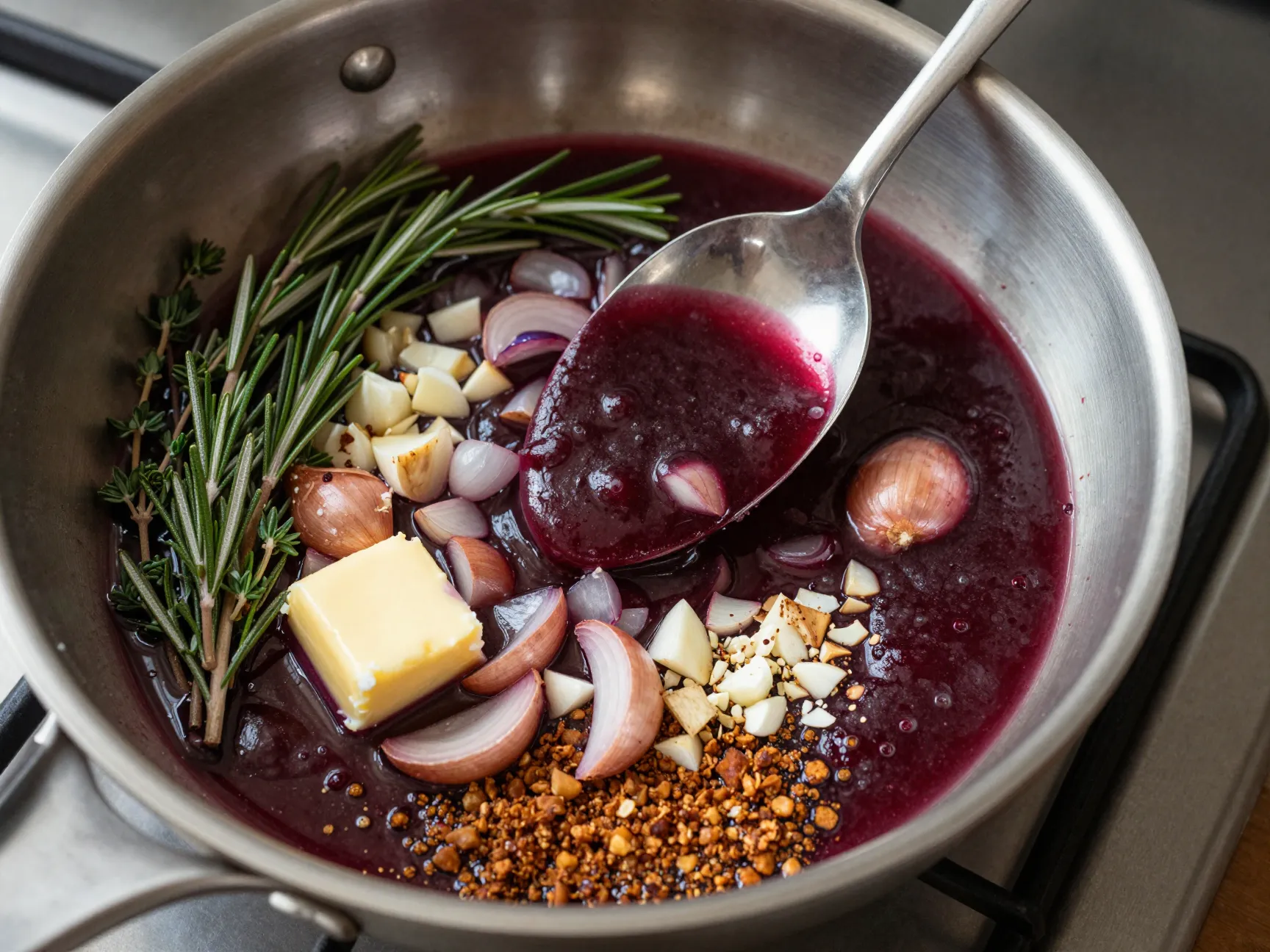
This is the foundational recipe every home cook should learn first. It uses shallots, garlic, and fresh herbs simmered with red wine and beef stock, then finished with cold butter for a smooth, velvety texture [3]. The simplicity of this sauce is its greatest strength — every ingredient earns its place.
What you need:
- 2 shallots, finely diced
- 2 garlic cloves, minced
- 1 cup dry red wine (Cabernet Sauvignon or Merlot)
- 1 cup beef stock
- 2 tablespoons cold unsalted butter
- Fresh thyme and rosemary
How to make it:
Sauté shallots in the same pan you used to sear your steak. Deglaze with red wine, scraping up all the brown bits from the bottom. Add garlic, herbs, and beef stock. Reduce over medium heat until the sauce coats the back of a spoon — about 15 minutes. Remove from heat and whisk in cold butter one tablespoon at a time.
“The cold butter finish is not optional. It is the step that turns a flat wine sauce into something that looks and tastes like it came from a professional kitchen.”
This recipe pairs beautifully with a New York strip or ribeye. It is the template upon which every other sauce in this list builds [3].
2. Mushroom-Cabernet Sauce for New York Strip
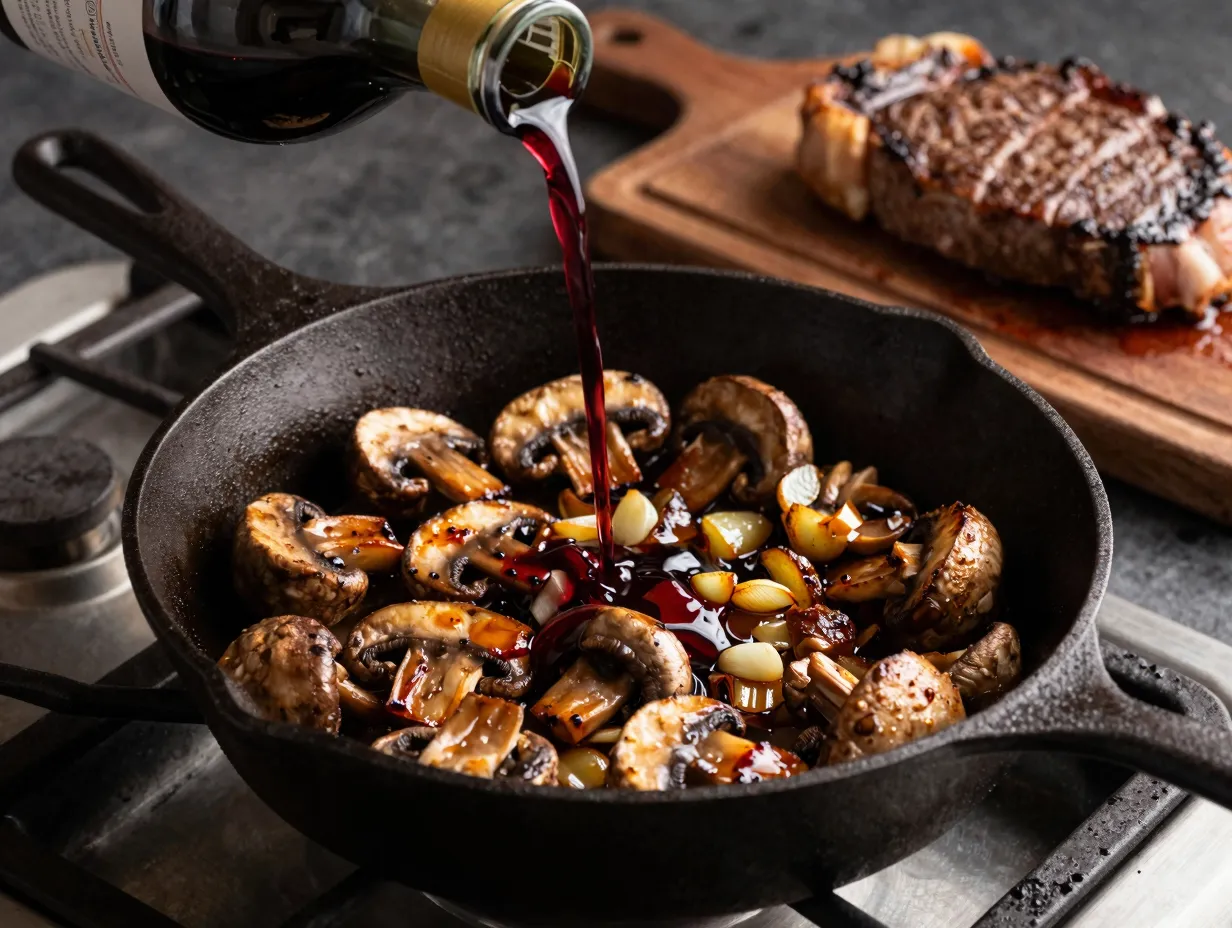
This recipe layers earthy mushrooms and caramelized shallots with a Cabernet Sauvignon reduction to create a deep, velvety sauce that stands up to a boldly flavored New York strip steak [1]. The mushrooms add an umami dimension that makes this sauce feel particularly substantial.
Key technique: Cook the mushrooms in a hot, dry pan first until they are golden brown before adding any liquid. This concentrates their flavor and prevents them from turning soggy in the sauce.
Flavor profile: Rich, earthy, full-bodied with a slight sweetness from the caramelized shallots.
Best paired with: New York strip, bone-in ribeye, or a thick-cut sirloin.
The mushroom-Cabernet combination is one of the most crowd-pleasing on this list. It reads as sophisticated without being fussy, and it can be made almost entirely while your steak rests [1].
3. Bordelaise Sauce — The French Classic
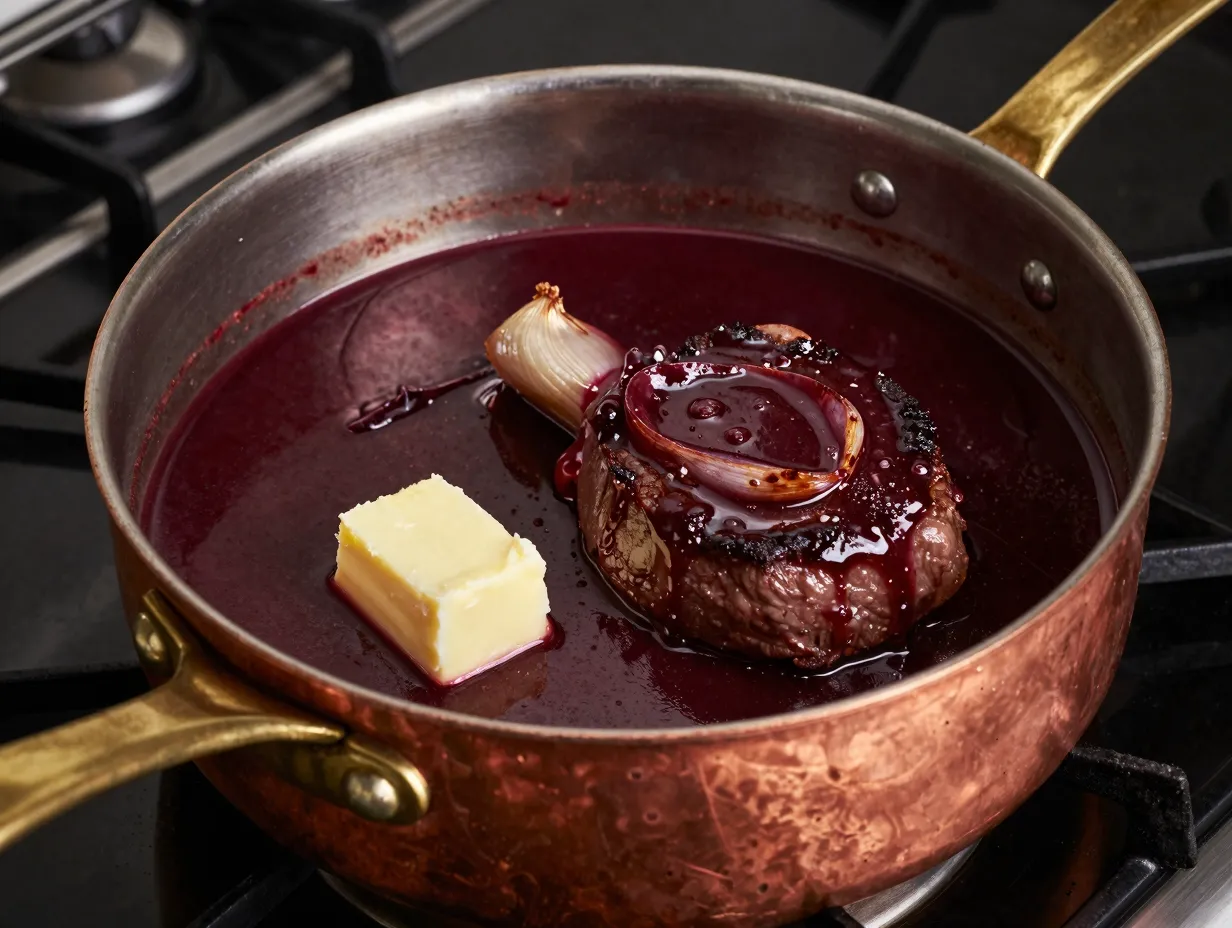
Bordelaise is arguably the most famous red wine sauce in French cuisine. It combines red wine (traditionally Bordeaux), shallots, and beef stock to deliver a deep umami flavor with a smooth, velvety texture [4]. In classic French cooking, bone marrow is added for richness, though butter is a perfectly acceptable modern substitute.
What makes it different from a basic reduction:
The shallots are cooked low and slow until they nearly dissolve into the sauce, and the wine is reduced separately before the stock is added. This two-stage reduction creates a more complex, layered flavor.
| Component | Classic Bordelaise | Basic Reduction |
|---|---|---|
| Wine reduction | Separate, then combined | All together |
| Shallots | Dissolved, silky | Slightly textured |
| Richness | Bone marrow or butter | Butter only |
| Time required | 30-40 minutes | 15-20 minutes |
| Skill level | Intermediate | Beginner |
Bordelaise is the sauce to make when you want to genuinely impress someone. Serve it over a seared filet mignon or a bone-in ribeye for a restaurant experience that rivals anything you would pay $80 for at a steakhouse [4].
4. Gordon Ramsay-Style Shallot and Red Wine Sauce
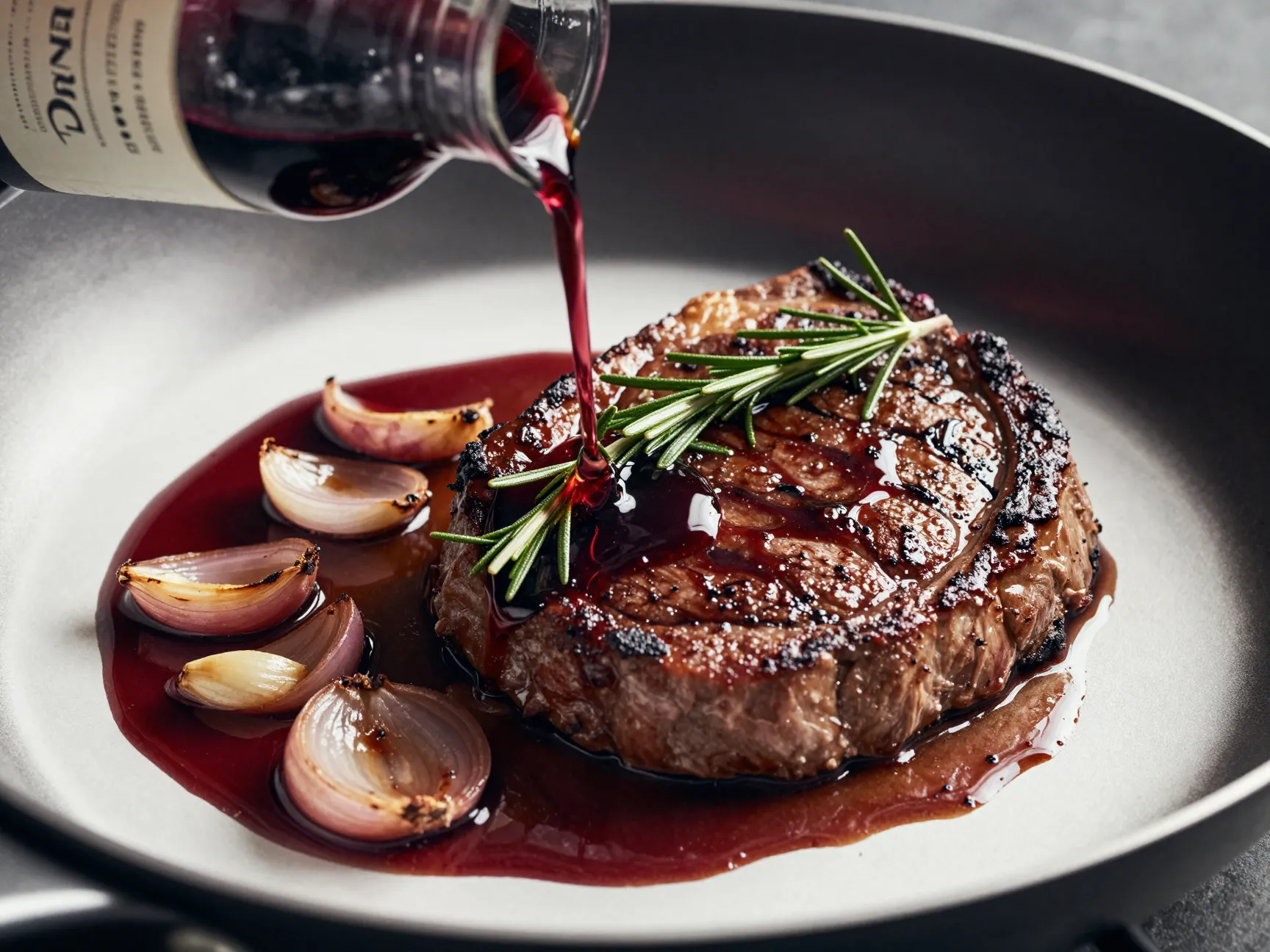
Gordon Ramsay’s version of a shallot and red wine sauce adds a clever twist: a splash of balsamic vinegar. The recipe features sautéed shallots, garlic, and rosemary, deglazed with balsamic vinegar and red wine, then reduced with beef stock for a rich accompaniment to rib-eye steak [6].
The balsamic vinegar does two things. First, it adds a subtle sweetness that balances the tannins in the wine. Second, it deepens the color of the sauce to an almost lacquer-like finish that looks stunning on a plate.
Pro tip from the recipe: Add the rosemary early so it has time to infuse the oil before the liquids go in. Remove the sprig before serving to avoid any woody texture in the final sauce [6].
Ideal steak pairing: Rib-eye. The marbling in a rib-eye can handle the bold, slightly sweet flavor of the balsamic-enhanced sauce without being overwhelmed.
5. Simple Keto-Friendly Red Wine Reduction (No Sugar Added)
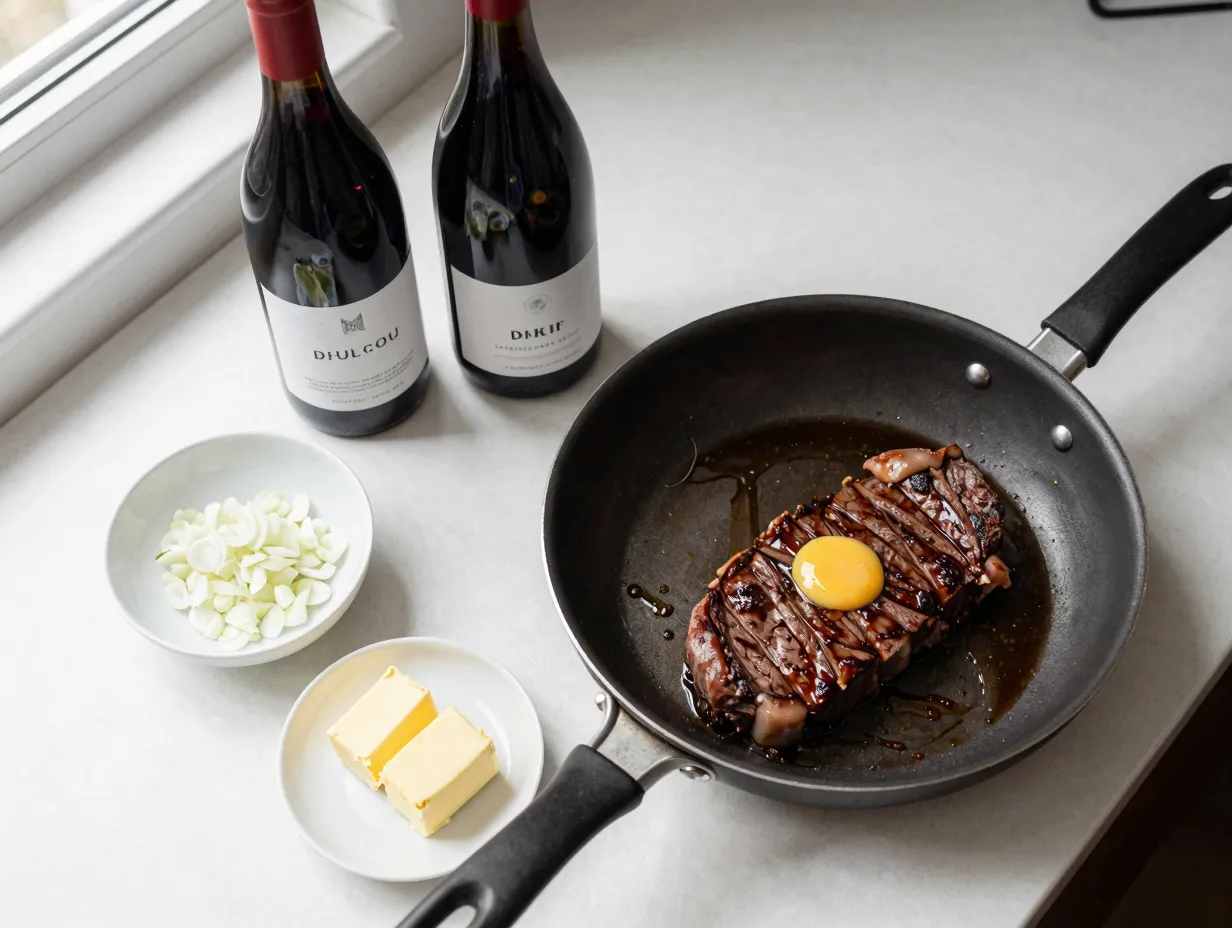
Not every great red wine reduction needs to be a complex French production. This version is designed for people following low-carb or keto diets, using pan drippings, dry red wine, beef stock, and cold butter to achieve a rich flavor without any added sugars [2].
The key insight here is that a properly reduced wine sauce does not need sugar to taste balanced. The natural sugars in the wine concentrate during reduction, and the butter adds enough richness to round out any sharp edges.
Why this works for keto:
- No added sugar or honey
- No flour or cornstarch thickener
- All richness comes from natural fat (butter and pan drippings)
- Carbohydrate content is minimal per serving
Steps:
- Remove your steak from the pan and set it aside to rest.
- Pour off excess fat, leaving about one tablespoon.
- Add minced shallots and cook for two minutes.
- Deglaze with half a cup of dry red wine.
- Add half a cup of beef stock and reduce by half.
- Whisk in two tablespoons of cold butter off the heat [2].
This is the recipe I reach for on weeknights when I want something impressive without a long ingredient list. It takes about 12 minutes and uses whatever wine is already open on the counter.
6. Pan-Roasted Filet with Aromatic French Herb Reduction
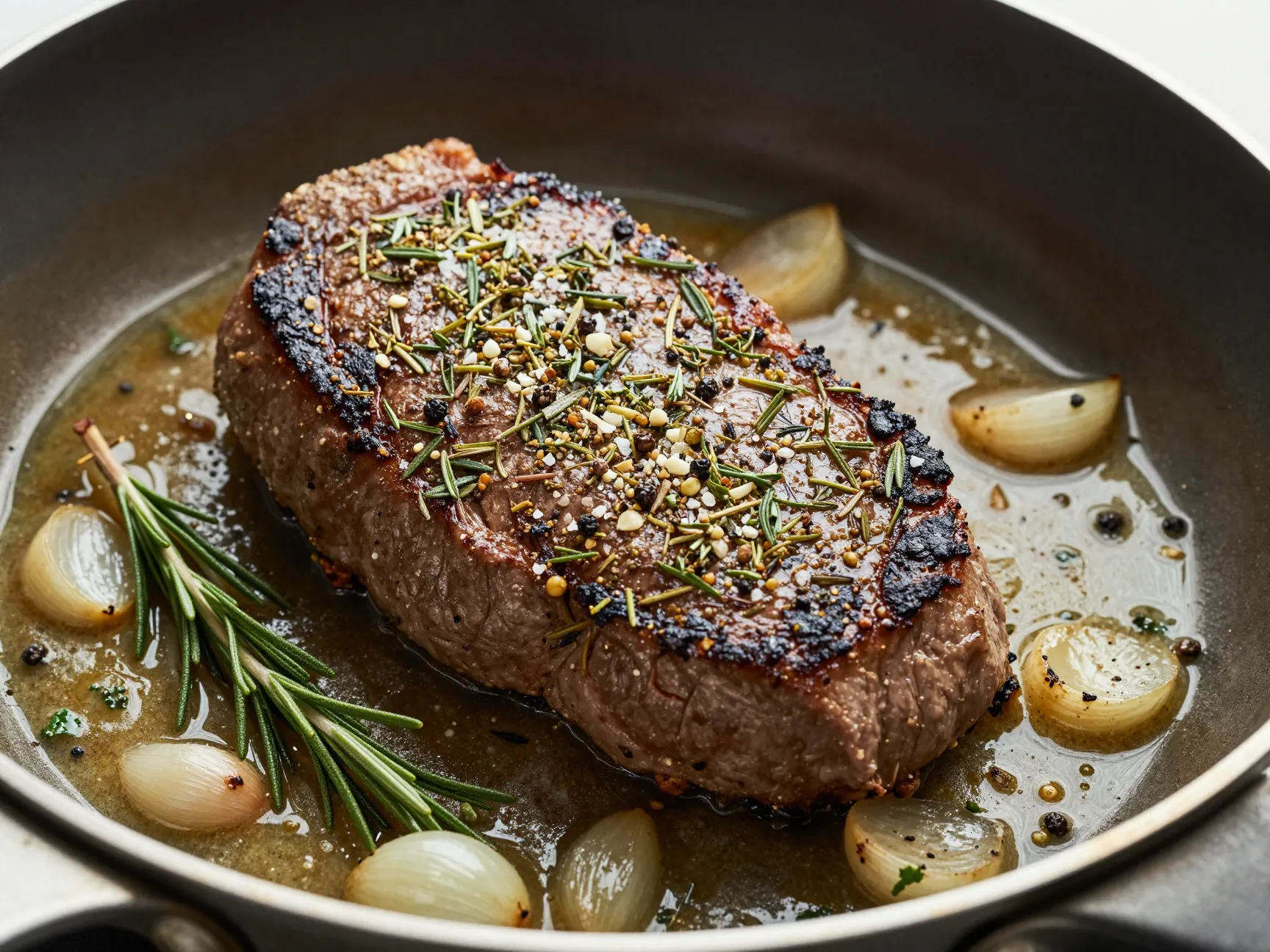
This recipe elevates the pan-roasted filet by incorporating a French-inspired herb rub on the steak itself, then building a matching red wine reduction sauce with shallots, garlic, and fresh herbs [5]. The result is a steak and sauce that feel designed for each other because they are — the same aromatics appear in both.
The French herb rub:
- Dried thyme
- Dried rosemary
- Garlic powder
- Cracked black pepper
- Kosher salt
Apply the rub generously to the filet at least 30 minutes before cooking. When you sear the steak, those herbs toast in the pan and leave behind intensely flavored fond (the brown bits). That fond becomes the backbone of your reduction sauce [5].
Why this method works: The continuity of flavors between the steak crust and the sauce creates a cohesive dish rather than two separate components sitting on the same plate.
7. Red Wine and Rosemary Reduction with Cornstarch Thickener
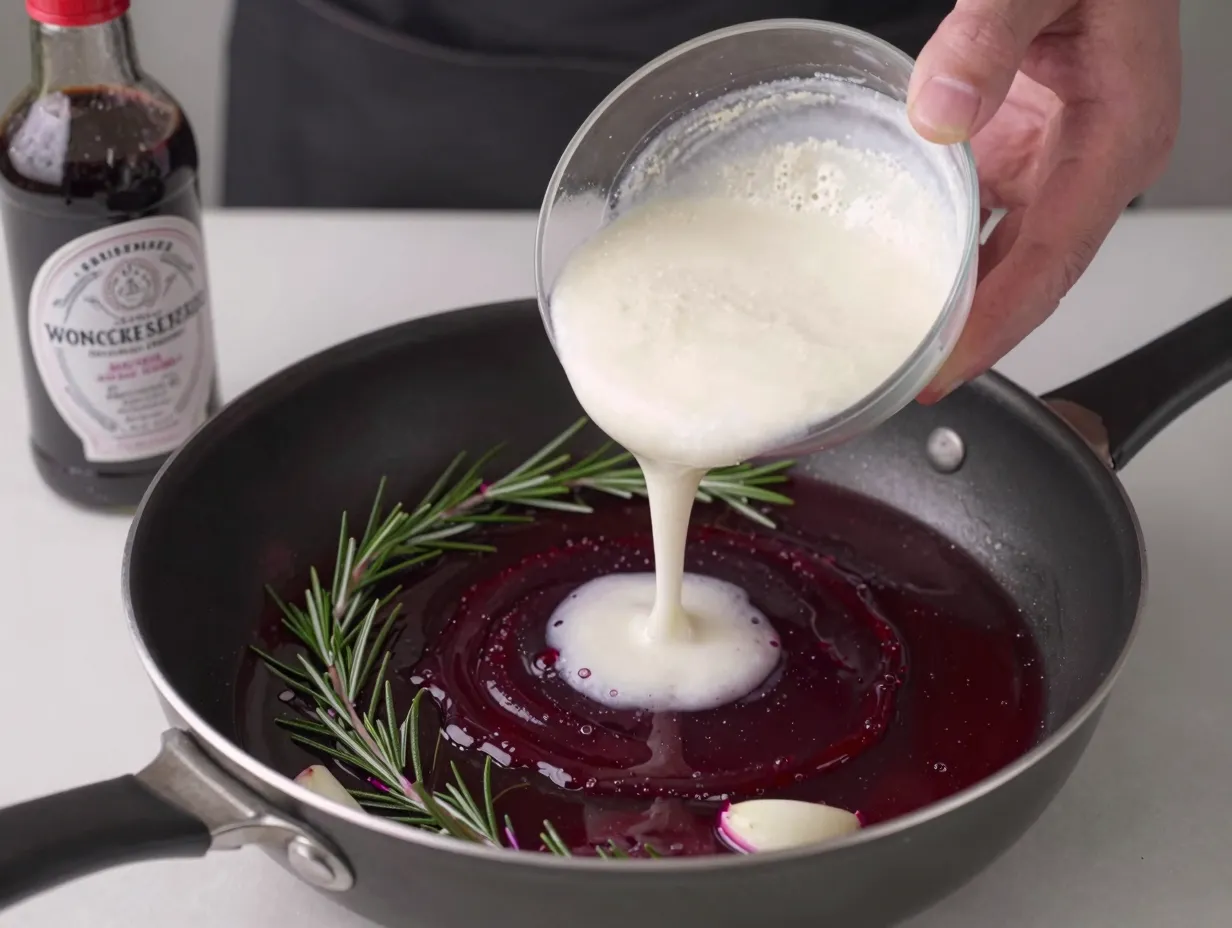
This recipe takes a slightly different approach to texture. Instead of relying entirely on reduction and butter to thicken the sauce, it incorporates a small cornstarch slurry to achieve a glossy, clingy consistency that coats the steak beautifully [7].
When to use this technique:
- When you are short on time and cannot reduce the sauce for 20+ minutes
- When you want a thicker sauce that stays put on the plate
- When cooking for a larger group and need consistent results
The cornstarch method:
Mix one teaspoon of cornstarch with one tablespoon of cold water. Stir it into the sauce during the last two minutes of cooking. The sauce will thicken almost immediately and develop a glossy sheen [7].
Flavor additions that work well here:
- Fresh rosemary (added early)
- Whole garlic cloves (pressed or minced)
- A small splash of Worcestershire sauce for depth
The cornstarch version is particularly forgiving for beginner cooks because it gives you more control over the final consistency. You can add more slurry if the sauce is too thin or thin it with a splash of stock if it gets too thick [7].
8. Reverse-Seared Bacon-Wrapped Filet with Red Wine Reduction
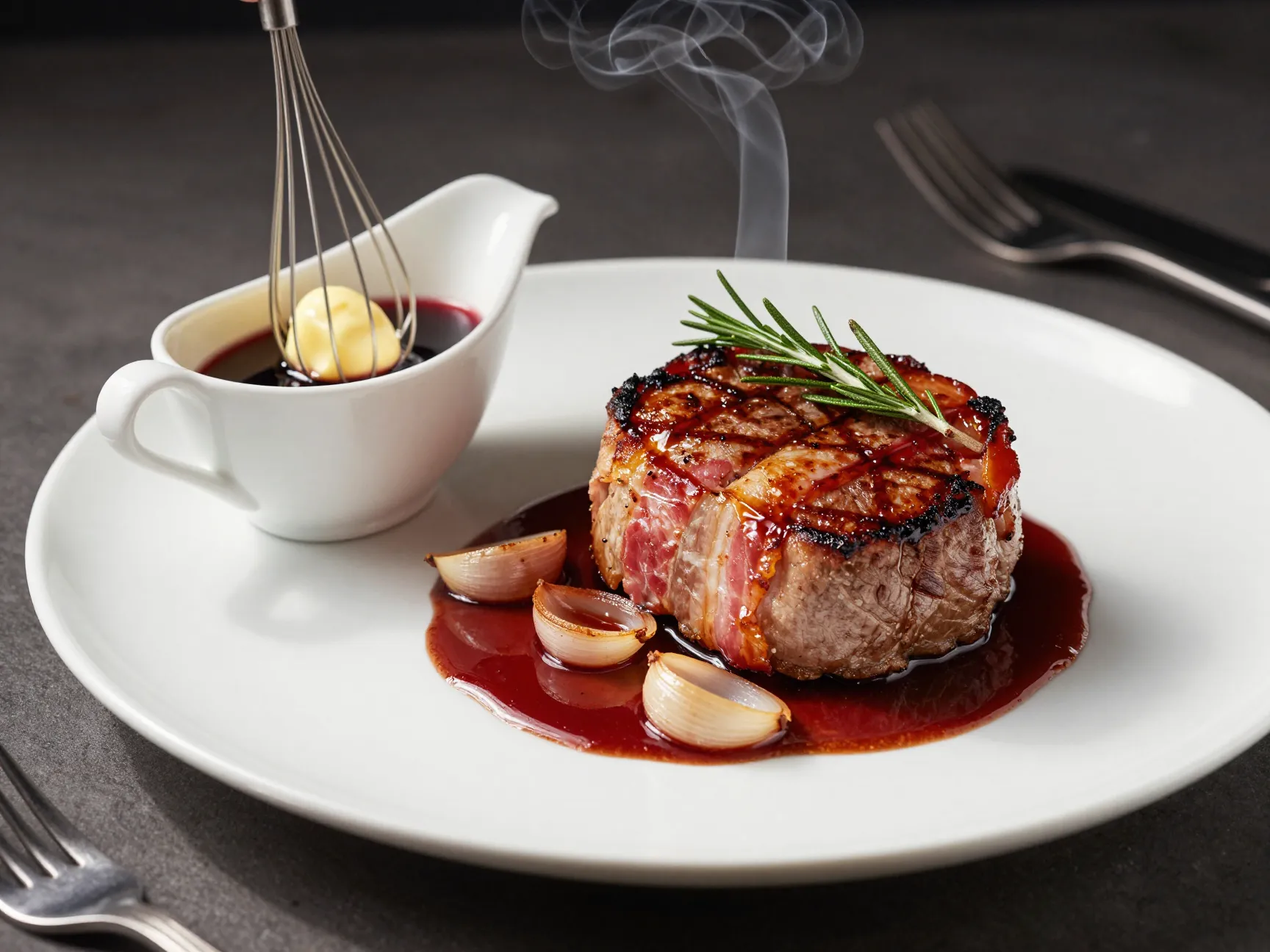
This is the showstopper of the list — the recipe you make when you want to genuinely astonish someone. It combines the reverse-sear method (low heat first, then high-heat sear) with bacon-wrapped filet mignon and a rosemary-forward red wine reduction made with shallots, beef stock, and fresh rosemary [8].
Why the reverse sear changes everything:
The reverse sear involves cooking the steak at a low temperature (around 225°F) until it reaches about 10°F below your target internal temperature, then searing it in a screaming-hot pan or on a grill. The result is edge-to-edge even doneness with a deeply caramelized crust. The Traeger method involves smoking the bacon-wrapped filet before the final sear, adding a layer of wood-smoke flavor that pairs remarkably well with the red wine sauce [8].
Building the sauce for this recipe:
- Sauté shallots in butter until soft and golden.
- Deglaze with one cup of red wine.
- Add one cup of beef stock and a sprig of fresh rosemary.
- Reduce by half over medium heat.
- Remove rosemary, season with salt and pepper, and finish with cold butter.
The bacon wrapping adds its own rendered fat to the pan, which you can incorporate into the sauce base for an extra layer of savory depth. This is not an everyday recipe, but it is the one that will make your guests ask if you went to culinary school [8].
Essential Tips for Mastering Red Wine Reduction Sauce
No matter which of these 8 restaurant-worthy red wine reduction sauce for steak recipes you choose to make tonight, a few universal principles will determine whether your sauce is good or genuinely great.
Choose the right wine. A dry red wine with moderate tannins works best. Cabernet Sauvignon, Merlot, and Pinot Noir are all excellent choices. Avoid wines labeled “cooking wine” — they contain added salt and preservatives that can make your sauce taste flat or overly salty.
Do not skip the fond. The brown bits stuck to the bottom of your pan after searing a steak are concentrated flavor. Always deglaze with wine immediately after removing the steak, and scrape every bit off the pan with a wooden spoon.
Reduce with patience. A sauce that has not reduced enough will taste thin and overly wine-forward. You want the sauce to reduce by roughly half before adding butter. It should coat the back of a spoon and leave a clean line when you run your finger through it.
Mount with cold butter off the heat. This is the technique called “monter au beurre” in French cooking. Remove the pan from heat, then whisk in cold butter one tablespoon at a time. The cold butter emulsifies into the sauce, creating a glossy, velvety finish. Hot butter will break the sauce and leave it greasy.
Season at the end. Salt concentrates as a sauce reduces. Always taste and season with salt and pepper only after the sauce has finished reducing and the butter has been incorporated.
Common Mistakes to Avoid
Even experienced cooks make these errors when working with red wine reductions:
- Using too much heat. A rolling boil will reduce the sauce too fast and can make it bitter. Maintain a steady, moderate simmer.
- Adding cold stock to a hot pan all at once. This can cause spattering and uneven reduction. Add stock gradually.
- Forgetting to taste as you go. Every wine and every batch of stock is different. Adjust seasoning and acidity as needed.
- Skipping the resting period for the steak. If you slice the steak immediately, the juices run out onto the plate and dilute your sauce. Rest the steak for at least five minutes.
Conclusion
Red wine reduction sauces are one of the most rewarding techniques in home cooking. They take an already excellent steak and elevate it into something that genuinely rivals a restaurant meal. The 8 restaurant-worthy red wine reduction sauce for steak recipes covered in this guide range from beginner-friendly weeknight options to showstopping weekend productions, but they all share the same core logic: reduce, concentrate, and finish with butter.
Your actionable next steps:
- Start with Recipe 1 (Classic Red Wine Reduction) to build your foundational technique.
- Once you are comfortable, move to the Bordelaise (Recipe 3) for a more complex challenge.
- Keep a bottle of quality dry red wine and a carton of beef stock in your kitchen at all times so you are always ready.
- Practice the cold butter mounting technique — it is the single skill that will most dramatically improve your results.
- Experiment with the aromatics. Swap rosemary for thyme, add a splash of balsamic, or try different wine varieties to develop your own signature sauce.
The gap between a good steak and a great one is often just 15 minutes and a half cup of wine. Tonight is a perfectly good night to close that gap.
References
[1] Steak With Mushrooms Cabernet Sauce Recipe – https://www.goodhousekeeping.com/food-recipes/a69819611/steak-with-mushrooms-cabernet-sauce-recipe/?utm_source=openai
[2] Simple Red Wine Reduction Sauce For Steak No Sugar Added – https://familyrecipehq.com/simple-red-wine-reduction-sauce-for-steak-no-sugar-added/?utm_source=openai
[3] Red Wine Reduction – https://www.certifiedangusbeef.com/en/cooking/recipes/Red-Wine-Reduction?utm_source=openai
[4] Bordelaise Sauce – https://coleycooks.com/bordelaise-sauce/?utm_source=openai
[5] Pan Roasted Filet With Red Wine Reduction Sauce – https://schnucks.com/recipes/pan-roasted-filet-with-red-wine-reduction-sauce?utm_source=openai
[6] Shallot Red Wine Sauce – https://www.bbcgoodfood.com/recipes/shallot-red-wine-sauce?utm_source=openai
[7] Red Wine Reduction Sauce – https://majorproducts.com/recipes/red-wine-reduction-sauce/?utm_source=openai
[8] Bacon Wrapped Filet Mignon Red Wine – https://www.traeger.com/recipes/bacon-wrapped-filet-mignon-red-wine?utm_source=openai