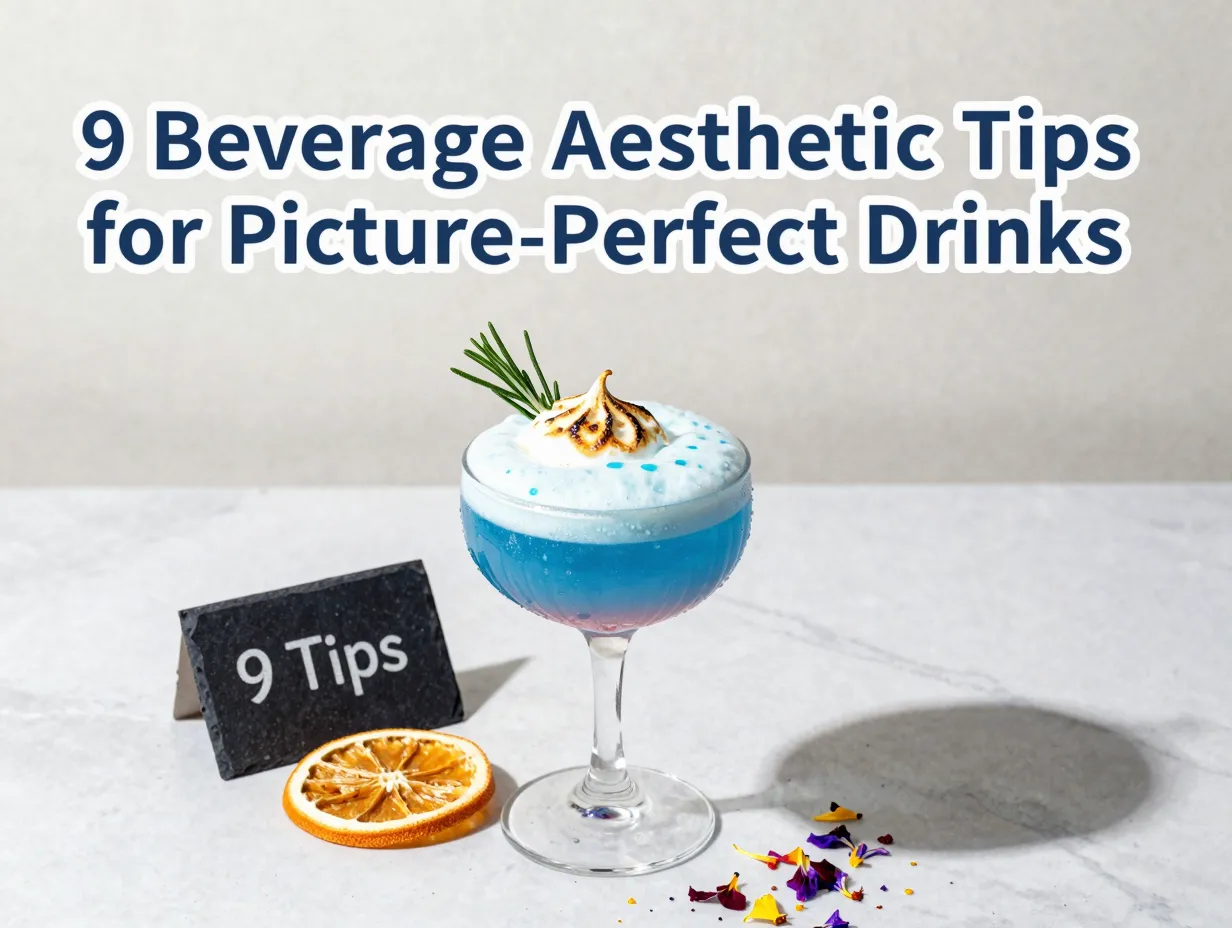
9 Beverage Aesthetic Tips That Make Every Drink Picture-Perfect
Searches for “aesthetic drinks” jumped 131.1% year-over-year in 2026 — a number that tells you something important: people no longer just want a good drink, they want one worth sharing [1]. The shift is real, measurable, and accelerating. Whether you are a home entertainer, a café owner, or a cocktail enthusiast building a social media presence, knowing the 9 Beverage Aesthetic Tips That Make Every Drink Picture-Perfect can transform an ordinary glass into a visual statement. This guide breaks down each tip with practical detail so you can start applying them today.
Disclosure: This post contains affiliate links. As an Amazon Associate, we earn from qualifying purchases, and at no extra cost to you.
Key Takeaways
- Color is the single most powerful visual signal in beverage presentation, and it directly influences purchase and sharing decisions.
- Garnishes have evolved far beyond lemon wedges — edible, textured, and unexpected toppings now define premium drink culture.
- The vessel you choose communicates quality before anyone takes a sip.
- Sensory layers — aroma, texture, lighting, and interactivity — elevate a drink from refreshing to memorable.
- Small, deliberate details (foam, layering, tableside ritual) create shareable moments that build brand loyalty and social reach.
Why Beverage Aesthetics Matter More Than Ever in 2026
A few years ago, a garnish was functional — a lime wedge to squeeze, a cherry to eat last. Today, the garnish is often the reason someone orders the drink in the first place. Social platforms have fundamentally rewired how consumers evaluate beverages. A drink that photographs beautifully earns organic reach that no advertising budget can fully replicate.
The data backs this up. Consumer interest in visually appealing beverages has surged dramatically, with the “aesthetic drinks” category growing at a pace that outstrips most other food and beverage search trends [1]. Bars, cafés, and event caterers that understand this dynamic are investing in presentation with the same seriousness they once reserved only for flavor development.
The good news: you do not need a professional photography studio or a Michelin-starred bar program to apply these principles. The 9 Beverage Aesthetic Tips That Make Every Drink Picture-Perfect outlined below work at every scale — from a home kitchen to a high-volume event bar.
The 9 Beverage Aesthetic Tips That Make Every Drink Picture-Perfect
1. Master Color Layering and Gradient Effects
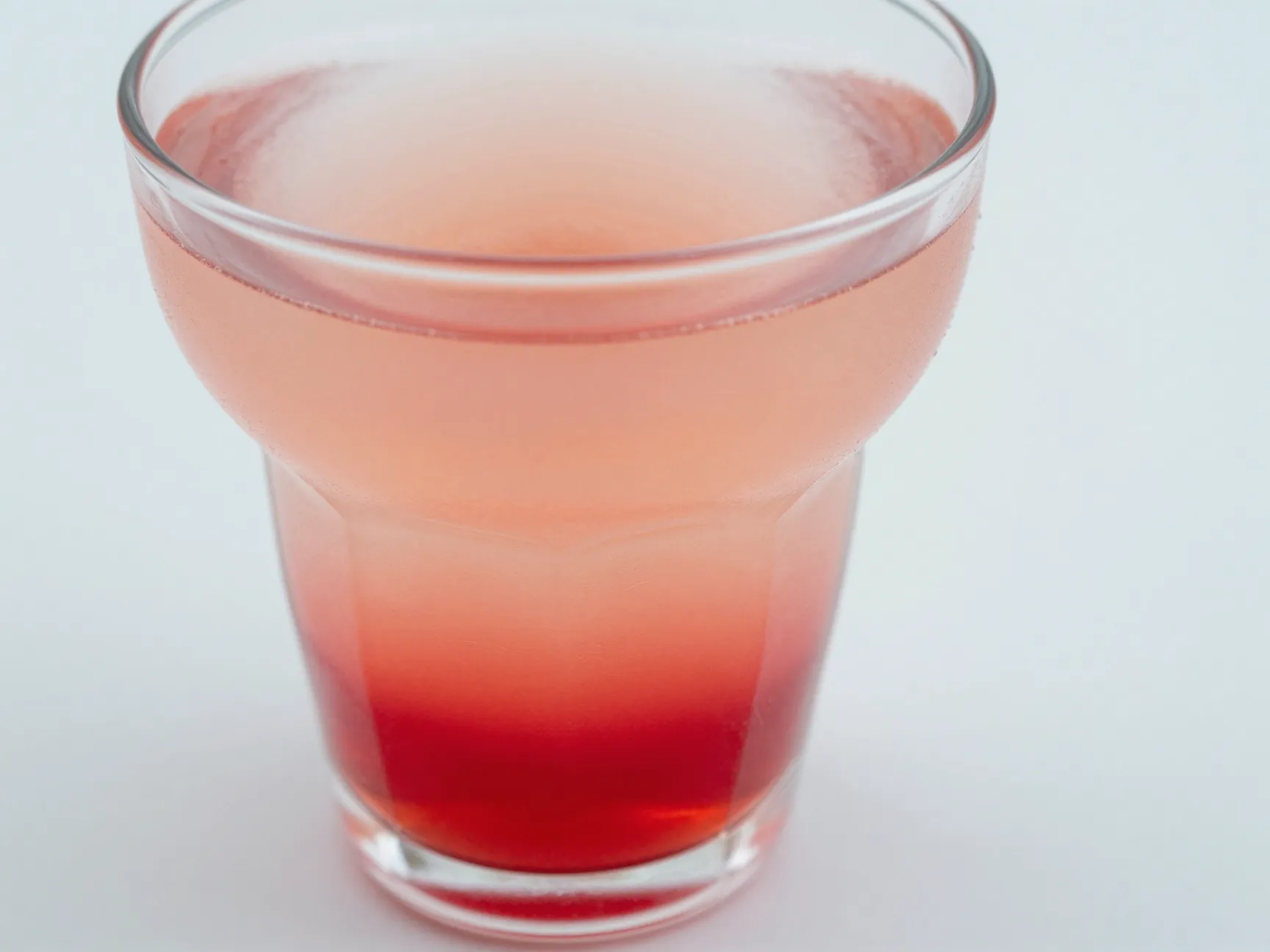
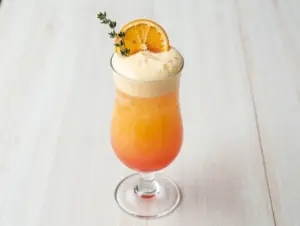
Color is the first thing the eye registers, and in beverage photography, it does the heavy lifting. A well-executed color gradient — where a deep ruby transitions into a soft blush or a vivid blue fades into clear — signals craftsmanship instantly.
How to achieve it:
- Use liquids of different densities. Denser syrups and juices sink; lighter spirits and sodas float.
- Pour slowly over the back of a spoon to preserve distinct layers.
- Choose complementary colors on the color wheel (blue and orange, purple and yellow) for maximum visual contrast.
- Avoid muddy combinations — mixing too many colors creates a brown, unappetizing result.
Consumer research confirms that color is a primary driver of beverage selection and shareability [1]. A drink that looks like a sunset photograph will always outperform a beige, undifferentiated glass.
Pro tip: Natural colorants like butterfly pea flower (blue-purple), hibiscus (deep red), and matcha (vibrant green) are both photogenic and on-trend for 2026.
2. Embrace Cocktail Maximalism With Intentional Layering
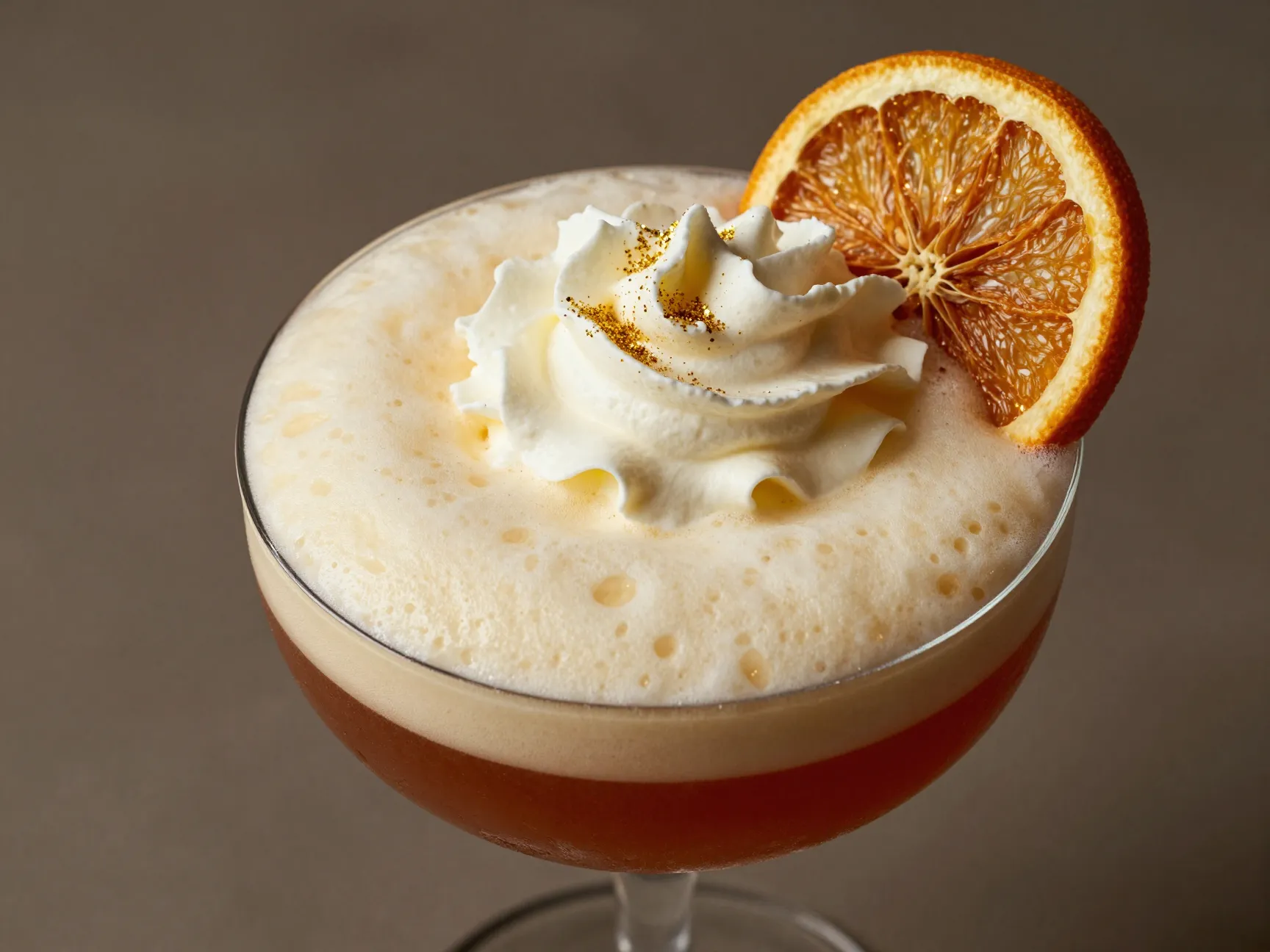
Cocktail maximalism is not about excess for its own sake — it is about deliberate abundance. Forbes reported in 2026 that elaborate, multi-sensory cocktail presentations are taking over bars globally, with foams, whipped elements, fermented infusions, and unconventional techniques becoming standard tools in a serious bartender’s kit [2].
The key word is intentional. Every element on or in the glass should earn its place by adding either visual interest, flavor complexity, or textural contrast — ideally all three.
Elements of maximalist presentation:
| Element | Visual Effect | Flavor Contribution |
|---|---|---|
| Flavored foam | Soft, cloud-like top layer | Aromatic, light |
| Whipped cream | Classic richness, height | Sweet, creamy |
| Edible glitter | Sparkle and drama | Neutral |
| Layered syrups | Color depth | Sweet complexity |
| Smoked cloche | Mystery, theater | Subtle smokiness |
The discipline here is restraint within abundance. Choose three to four maximalist elements and make each one count. A drink drowning in competing garnishes reads as chaotic rather than luxurious.
3. Upgrade Your Garnishes Beyond the Obvious
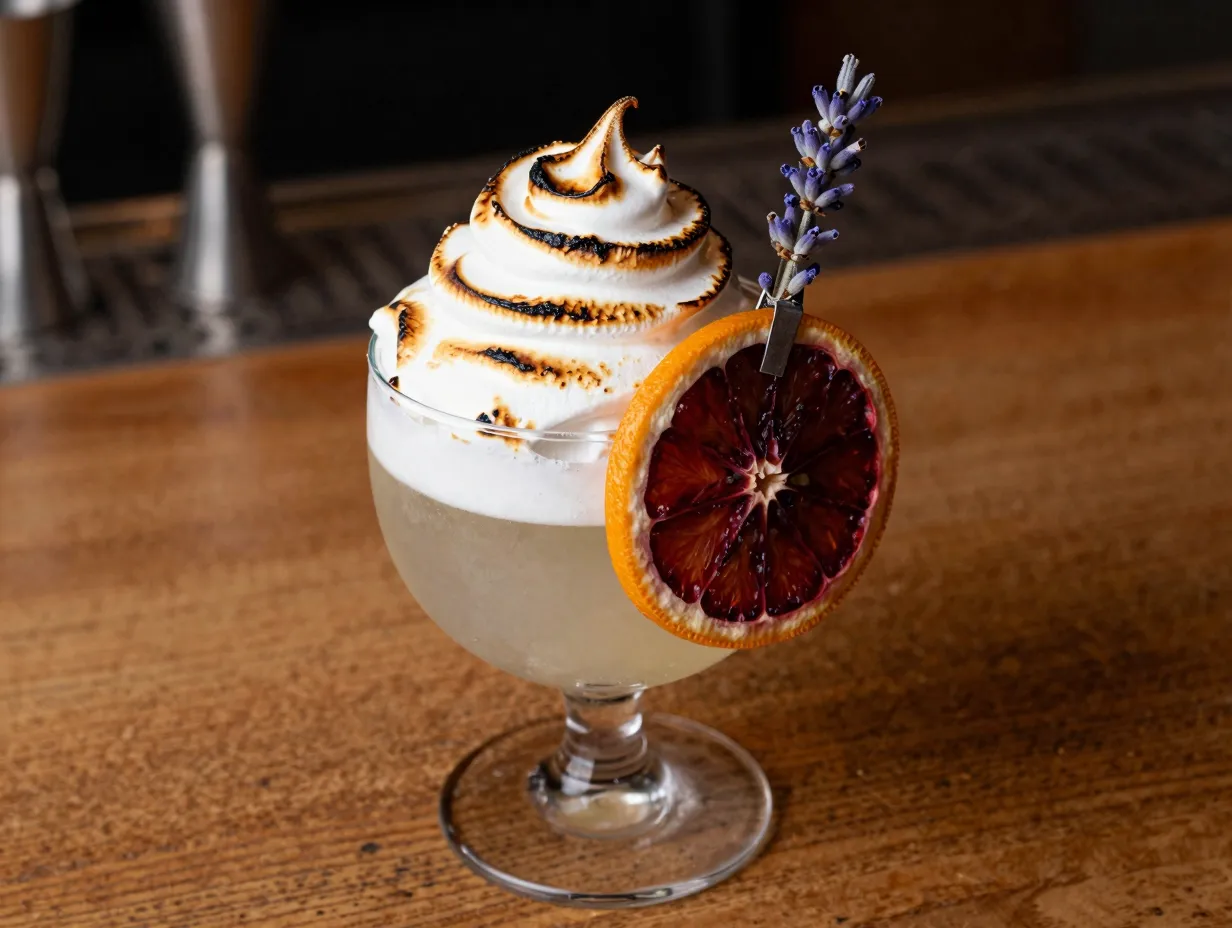
The garnish landscape has changed dramatically. The world’s best bars are now incorporating edible mushrooms, torched marshmallows, and even unconventional protein-based elements to create garnishes that are as surprising as they are beautiful [3].
This trend — sometimes called “edible maximalism” — treats the garnish as a story told in miniature. A dehydrated citrus wheel tells a story of craft and patience. A torched meringue tells a story of fire and transformation. A sprig of fresh herbs tells a story of garden-to-glass freshness.
Garnish categories to explore:
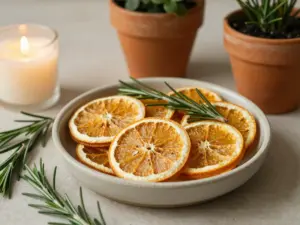
- Dehydrated fruits — citrus wheels, strawberry chips, pineapple rings. Long shelf life, intense color.
- Fresh botanicals — edible flowers (pansies, nasturtiums, lavender), herb sprigs, micro greens.
- Torched elements — marshmallows, citrus peels, meringue peaks. Add drama and aroma.
- Savory surprises — pickled vegetables, spiced nuts, umami-rich mushroom crisps.
- Sculptural accents — hand-carved fruit, wax-dipped citrus, candy glass shards.
The rule I follow personally: if I can photograph the garnish alone and it looks interesting, it belongs on the drink.
4. Choose Vessels That Do Visual Work
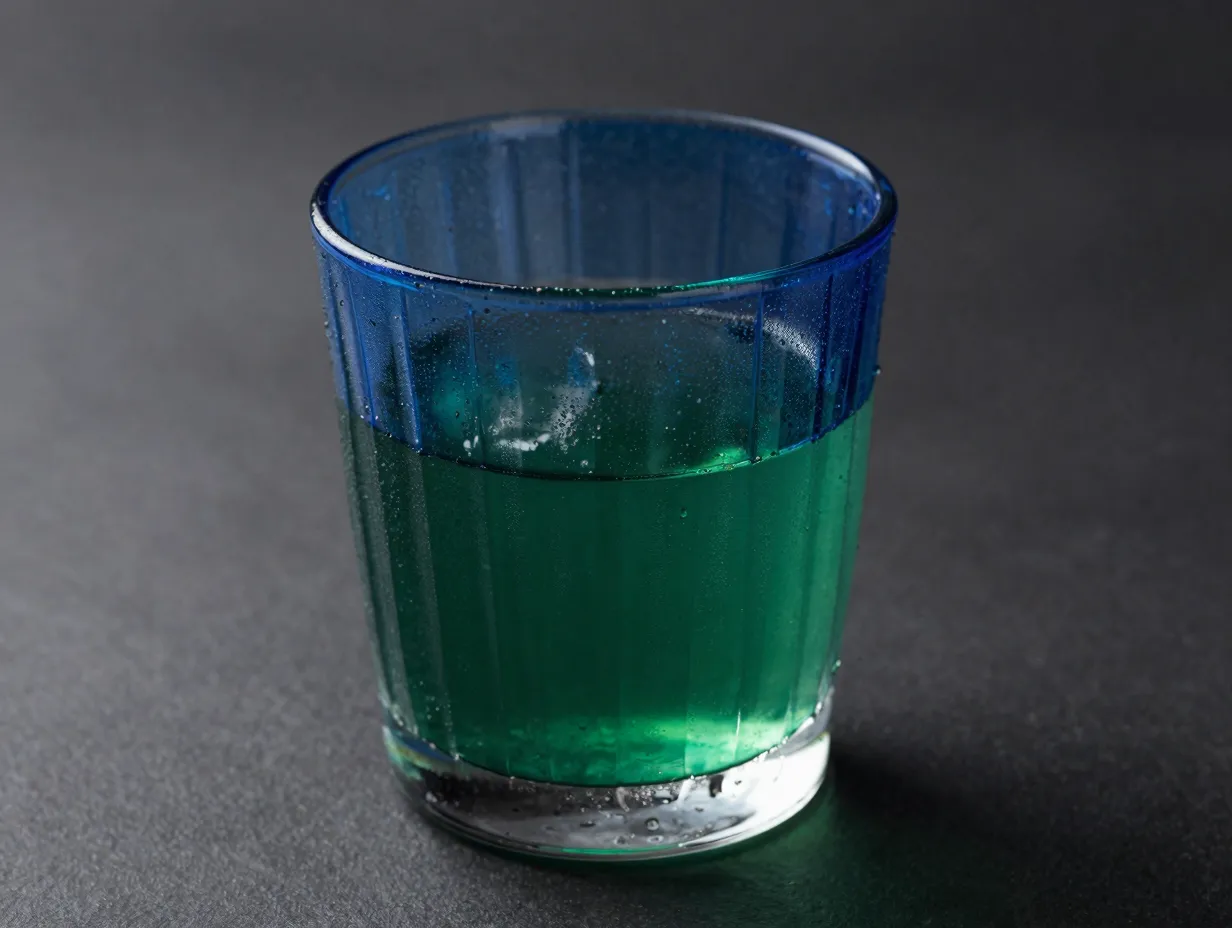
The glass is not a neutral container. It is a design decision. Textured and colored barware has become one of the defining aesthetic choices of 2026, with ribbed, hammered, and hand-blown vessels adding visual and tactile richness that a plain pint glass simply cannot deliver [4].
What to look for in a photogenic vessel:
- Texture: Ribbed, hammered, or etched surfaces catch light and create depth in photographs.
- Color: Amber, smoked gray, cobalt blue, and forest green vessels add mood without overpowering the drink’s own color.
- Shape: Coupes, Nick and Nora glasses, and wide-mouthed tumblers photograph better than narrow highballs because they show more of the drink’s surface.
- Scale: Oversized glasses with modest pours create an elegant, generous visual impression.
“The vessel communicates quality before anyone tastes a drop. It sets the expectation that everything inside will match its standard.”
When I switched from standard pint glasses to ribbed tumblers for a home cocktail party, guests immediately commented on the drinks before tasting them. The vessel had already done its persuasive work.
5. Add Functional Toppings That Look as Good as They Perform
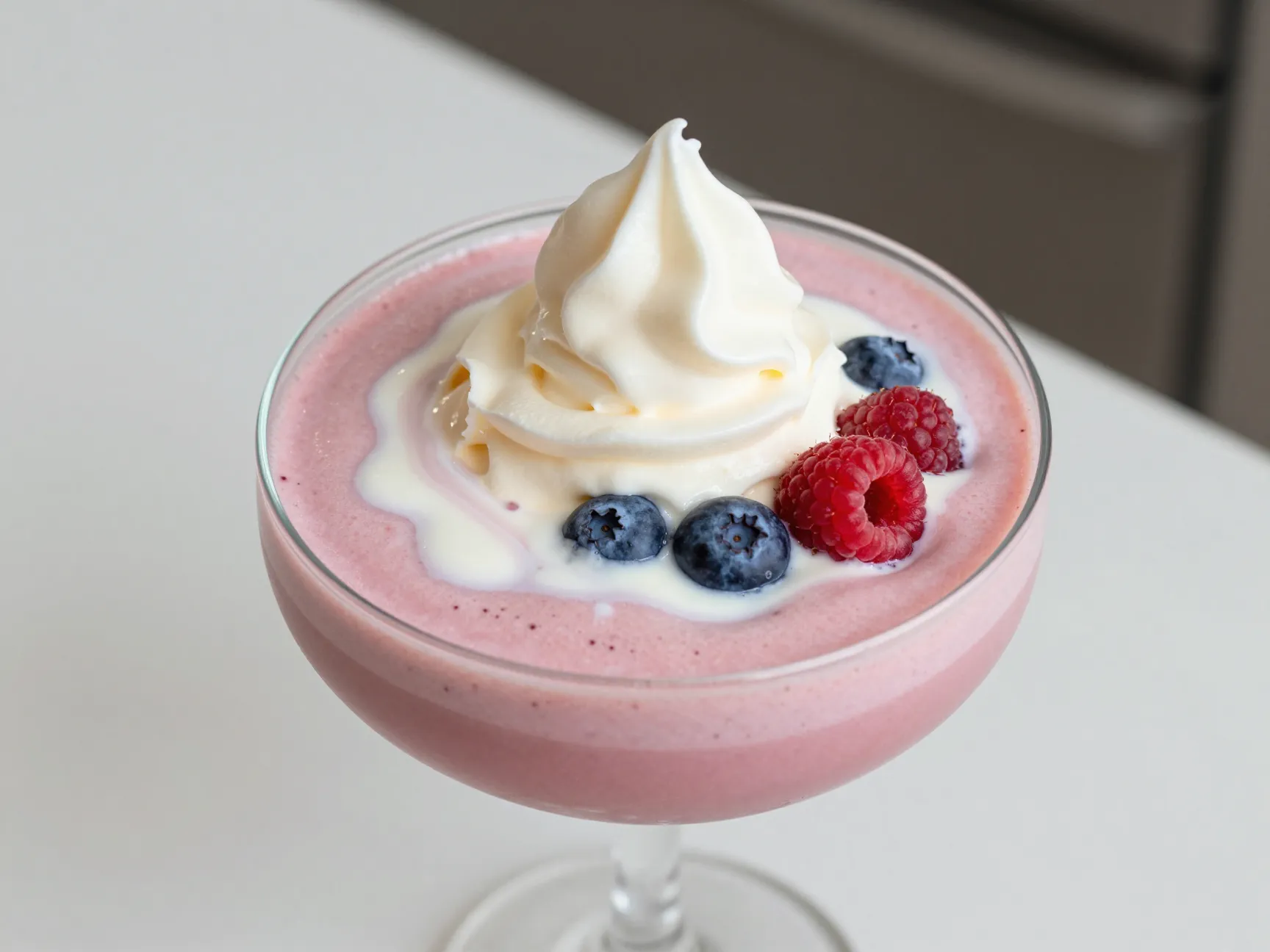
Functional toppings sit at the intersection of the wellness movement and beverage aesthetics. Protein-enriched foams, adaptogen-infused whips, and collagen-boosted cream toppings are gaining serious traction because they align with the “better-for-you” consumer mindset while adding a visually striking layer to the drink [5].
This is smart design: the topping serves double duty as both a visual anchor and a health claim.
Popular functional toppings in 2026:
- Protein foam: Whipped with a milk frother, often flavored with vanilla or cinnamon. Sits high, photographs beautifully.
- Adaptogen cream: Ashwagandha or reishi-infused whipped topping. Earthy tone, soft texture.
- Collagen glaze: Brushed over fruit garnishes for a glossy, polished finish.
- Probiotic kefir drizzle: Creates marbled patterns on the surface of smoothie-style drinks.
The visual logic here is simple: a flat drink surface is a missed opportunity. Any topping — functional or purely decorative — creates height, texture, and a focal point for the camera.
6. Use Lighting as a Deliberate Styling Tool
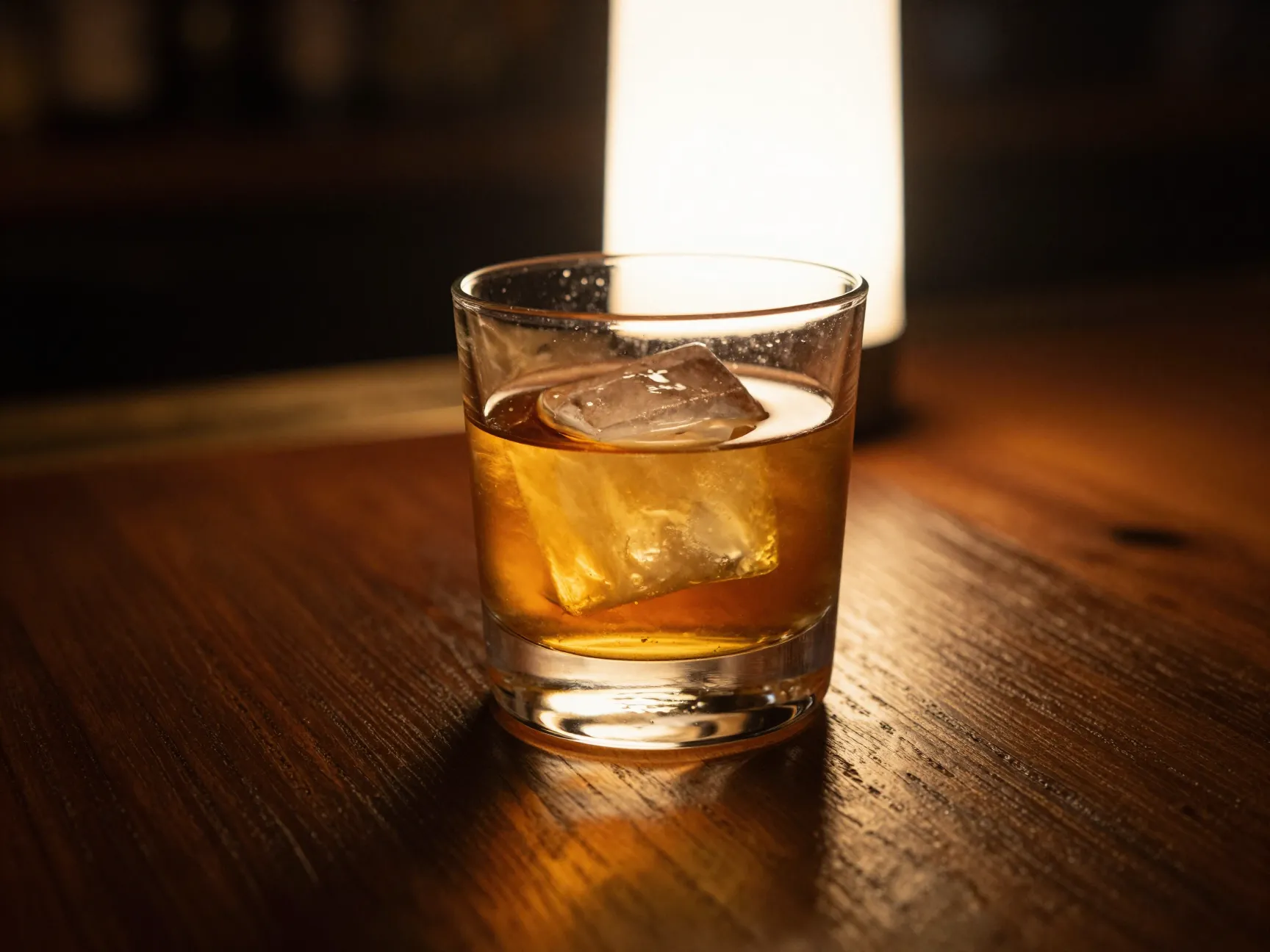
Most people think about what goes in the glass. Fewer think about what light does to the glass. Lighting is arguably the most powerful and most underused tool in beverage aesthetics, whether you are shooting for social media or staging a bar for an evening service.
Lighting principles for beverage photography:
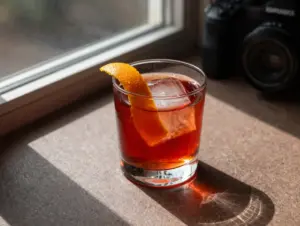
- Backlight: Positioning a light source behind a glass illuminates the liquid from within, making colors glow. This works especially well for jewel-toned cocktails and iced drinks.
- Side light: Creates shadow and dimension, emphasizing texture in both the drink and the vessel.
- Soft diffused light: Natural window light on an overcast day is the gold standard for food and beverage photography. It flatters without harsh shadows.
- Avoid direct overhead flash: It flattens color, creates glare on glass surfaces, and washes out garnishes.
Sensory presentation techniques — including lighting design — are now considered core competencies at leading cocktail bars, not afterthoughts [8]. The same principle applies at home: a candle placed behind a wine glass at dinner creates a more evocative presentation than the brightest overhead bulb.
7. Create Theater With Tableside Presentation
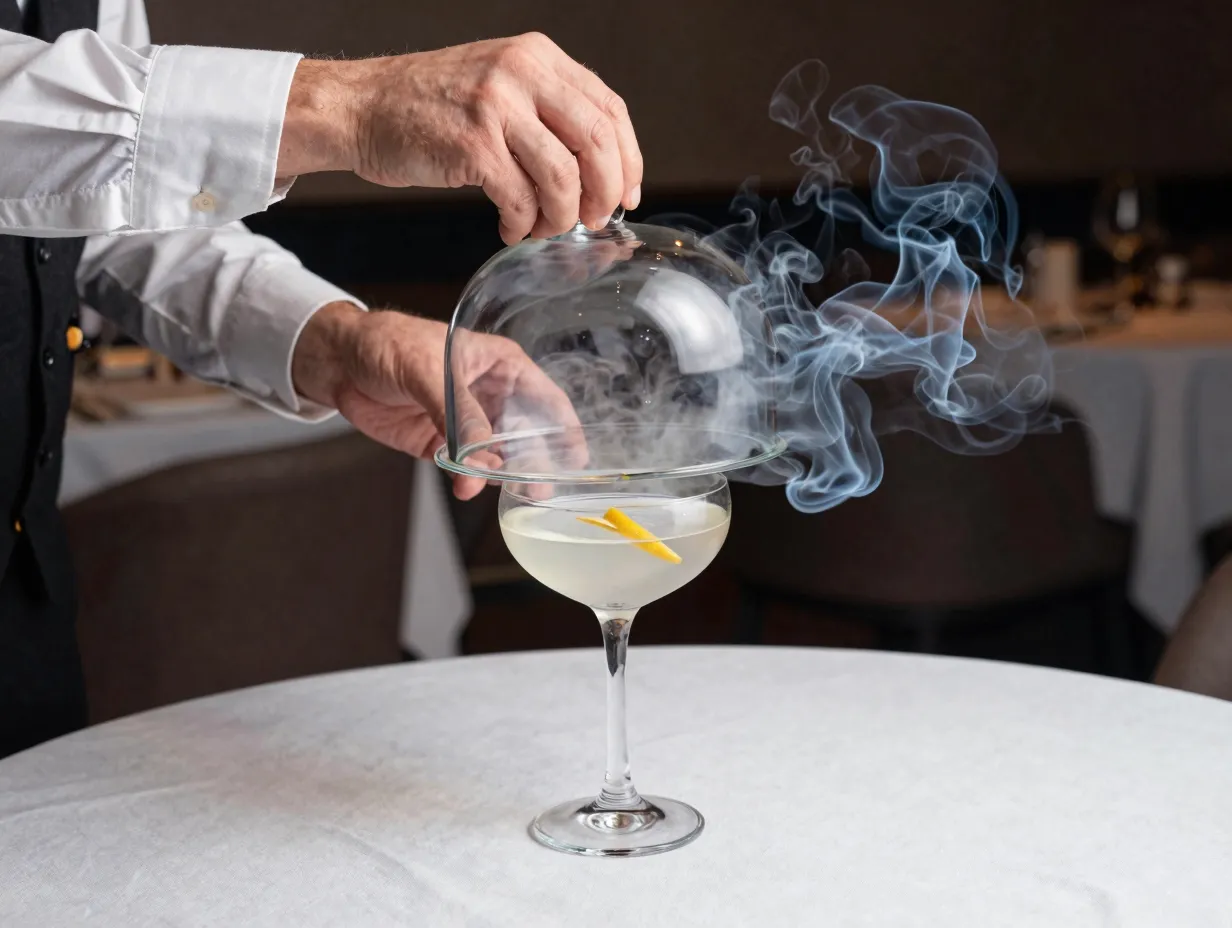
A drink that arrives already finished is a product. A drink that is completed at the table is an experience. Tableside cocktail presentations — smoke domes lifted to release aromatic clouds, syrups poured over ice at the moment of service, carbonation added with theatrical flair — are growing rapidly because they create a story around the drink [6].
This matters for aesthetics because the moment of transformation is highly shareable. A video of smoke billowing from a lifted cloche gets more engagement than any static photograph of the finished drink.
Tableside techniques worth adopting:
- Smoke infusion via cloche or smoking gun
- Liquid nitrogen misting for dramatic fog effects
- Tableside syrup or bitters pours
- Ice carving or cracking performed at the table
- Aromatic spritzes applied to the rim or the air above the glass
For event settings, sculptural canapé trays and bespoke food styling are being used alongside tableside beverage presentations to reinforce brand identity and create cohesive visual experiences [9]. The takeaway: presentation is not a finishing touch, it is a value multiplier built into the service ritual.
8. Explore Miniature Cocktails for Maximum Visual Impact
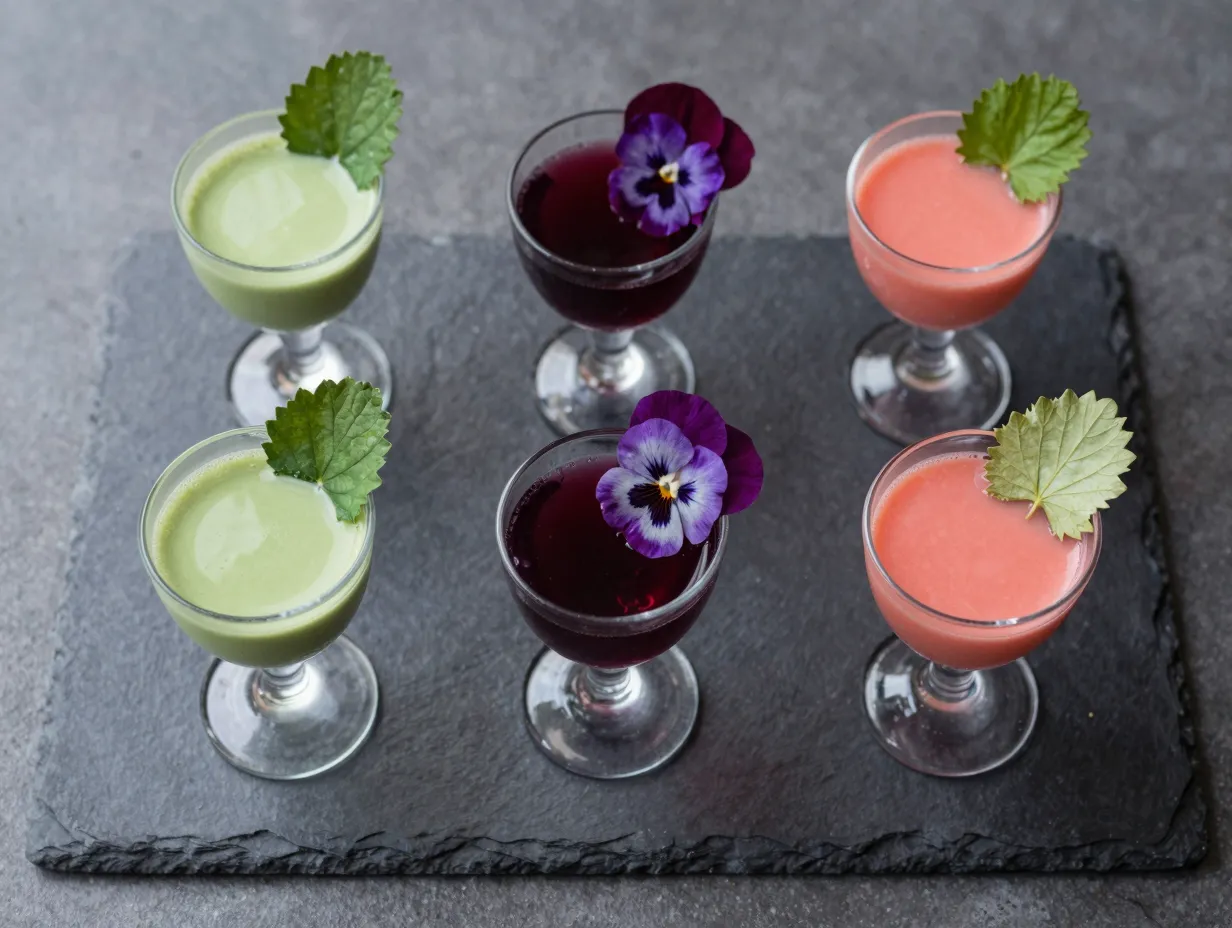
Smaller is often more striking. The miniature cocktail trend — tiny, elegantly presented drinks served in scaled-down vessels — emphasizes quality over quantity and creates a sense of precious, curated experience [7].
From a purely visual standpoint, a miniature cocktail forces every element to be precise. There is no room for a sloppy garnish or an uneven pour. The small scale demands perfection, and that perfection photographs exceptionally well.
Why miniature cocktails work aesthetically:
- The small vessel makes the garnish appear proportionally dramatic.
- A flight of three or four miniature cocktails creates a visually rich, multi-color composition.
- The “precious object” quality of a tiny drink signals premium positioning.
- They encourage guests to photograph before tasting — exactly the behavior that drives organic social sharing.
I first encountered miniature cocktails at a tasting event in 2025, where a bar served five two-ounce pours in hand-blown glass thimbles. Every single guest photographed them before drinking. The bar’s social media mentions that evening were extraordinary. The lesson was immediate and unforgettable.
Miniature cocktail serving suggestions:
| Occasion | Recommended Format | Visual Anchor |
|---|---|---|
| Dinner party | Three-glass flight on slate board | Contrasting colors |
| Corporate event | Single-serve in branded vessel | Logo ice cube or garnish |
| Wedding reception | Passed tray of uniform minis | Unified color palette |
| Home entertaining | Tasting set with flavor cards | Botanical garnishes |
9. Engage Multiple Senses to Create a Complete Aesthetic Experience
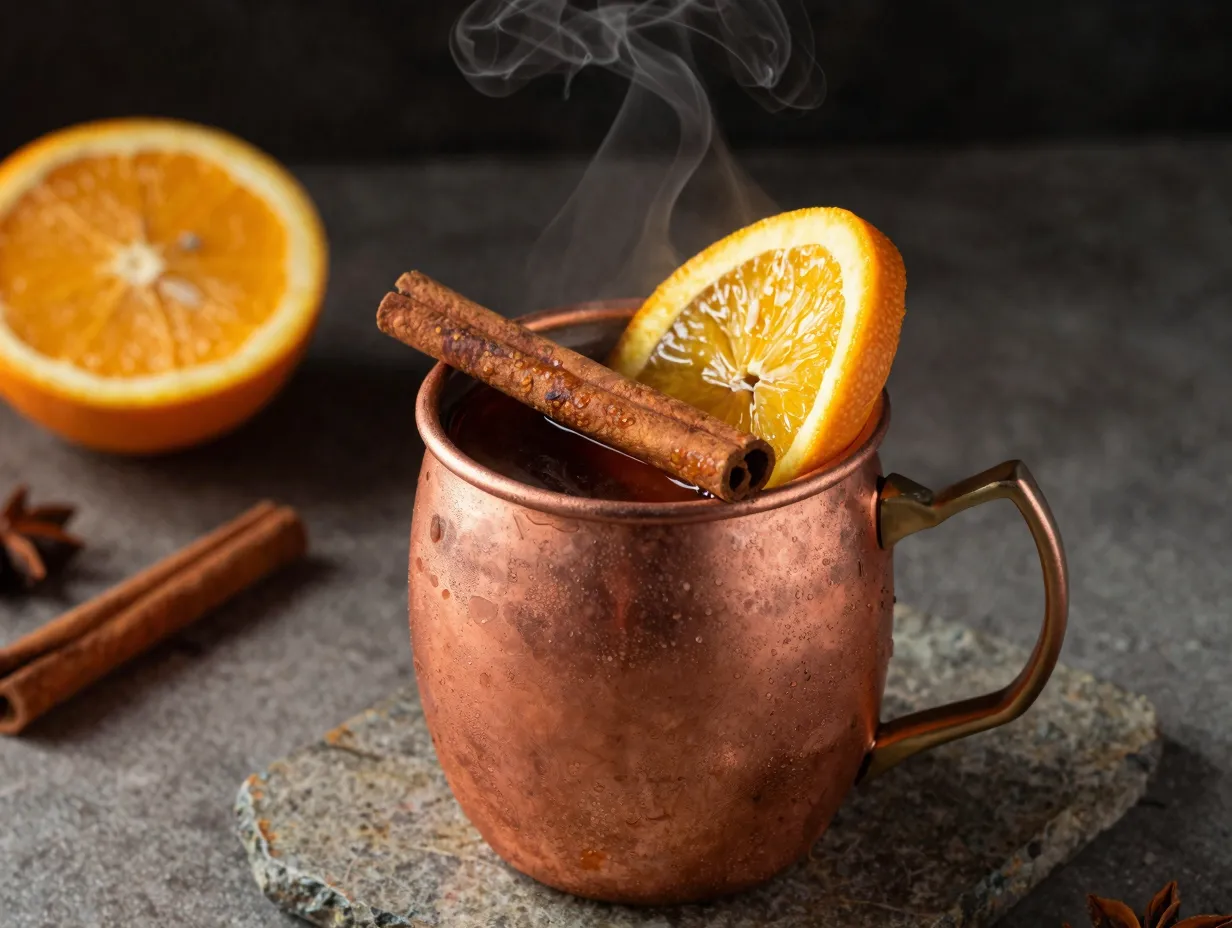
The most picture-perfect drink is not just visually beautiful — it engages smell, touch, and even sound in ways that a photograph can suggest and a video can capture fully. Leading bars are incorporating aroma, interactive garnishes, and tactile elements to create immersive cocktail experiences that go beyond what the eye alone can process [8].
Multi-sensory elements to layer into your presentation:
- Aroma: A spritz of aromatic bitters over the glass surface, a smoked rosemary sprig, or a citrus peel expressed and discarded — each releases scent that primes the drinker before the first sip.
- Sound: The crack of fresh ice, the fizz of carbonation added tableside, the sizzle of a torched garnish — these audio cues signal freshness and craft.
- Touch: A salted or sugared rim, a textured vessel, a cold-to-the-touch copper mug — tactile elements communicate quality through the hands before the mouth is involved.
- Temperature contrast: A warm spiced topping over a cold drink creates a sensory surprise that is both memorable and highly photographable (steam rising from a cold glass is a classic visual).
The complete aesthetic experience is the sum of these layers. When all five senses are engaged, the drink becomes an event rather than a refreshment. That is the standard the 9 Beverage Aesthetic Tips That Make Every Drink Picture-Perfect are designed to help you reach.
How to Apply These Tips at Different Scales
Not everyone is running a cocktail bar. Here is how to calibrate these nine tips to your specific context:
For home entertainers:
Focus on tips 1 (color layering), 4 (vessel choice), and 6 (lighting). These three changes require minimal investment and deliver immediate visual results. A set of ribbed tumblers, a butterfly pea flower syrup, and a candle placed strategically behind the drink will transform your home bar presentation.
For café and restaurant owners:
Prioritize tips 3 (garnishes), 5 (functional toppings), and 7 (tableside presentation). These create the shareable moments that drive organic social media reach. Train your staff to execute the tableside ritual consistently — it is a marketing tool as much as a service technique.
For event planners and caterers:
Tips 8 (miniature cocktails) and 9 (multi-sensory experience) are your highest-leverage plays. A flight of miniature cocktails on a sculptural tray, paired with an aromatic element, creates the kind of visual and experiential moment guests talk about long after the event ends [9].
For social media content creators:
Tips 1, 2, 6, and 8 are your core toolkit. Color gradients, maximalist layering, intentional lighting, and miniature cocktail flights are the four visual formulas that consistently perform well across platforms in 2026.
Common Mistakes That Undermine Beverage Aesthetics
Even with the best intentions, certain habits consistently undercut an otherwise strong presentation. Avoid these:
- Overcrowding the glass: More garnishes do not always mean better aesthetics. Each element needs visual breathing room.
- Ignoring the background: A beautiful drink photographed against a cluttered or dirty surface loses its impact immediately. Keep backgrounds clean, neutral, or intentionally styled.
- Using the wrong glass for the drink: A delicate floral cocktail in a heavy pint glass sends a mixed message. Match vessel weight and character to the drink’s personality.
- Neglecting cleanliness: Fingerprints on glassware, drips on the rim, and smudged garnishes are the fastest way to undermine an otherwise polished presentation.
- Flat lighting: Overhead fluorescent light is the enemy of beverage photography. Always seek directional, warm, or diffused light sources.
Conclusion
The 9 Beverage Aesthetic Tips That Make Every Drink Picture-Perfect are not about vanity — they are about understanding that presentation is now inseparable from the product itself. In 2026, a drink that looks extraordinary earns attention, drives sharing, and builds the kind of reputation that sustains businesses and delights guests.
Here are your actionable next steps:
- Audit your current glassware and replace at least one standard vessel with a textured or colored alternative this week.
- Source one natural colorant — butterfly pea flower, hibiscus, or matcha — and experiment with color layering in your next drink.
- Identify one tableside or finishing ritual you can add to your service or home entertaining routine.
- The next time you prepare a drink, photograph it before you taste it. Study what the camera reveals. Let that feedback guide your next iteration.
Beverage aesthetics is a skill, not a talent. Every tip in this guide is learnable, repeatable, and scalable. Start with one, master it, and build from there. The most picture-perfect drink you have ever made is still ahead of you.
References
[1] Why Beverage Color Matters The Rise Of Aesthetic Drinks – https://www.foodnavigator-usa.com/Article/2026/02/25/why-beverage-color-matters-the-rise-of-aesthetic-drinks/?utm_source=openai
[2] Cocktail Maximalism Heres Why Its Taking Over Bars Right Now – https://www.forbes.com/sites/carissachesanek/2026/03/30/cocktail-maximalism—heres-why-its-taking-over-bars-right-now/?utm_source=openai
[3] Cocktail Garnish Trends The Rise Of Edible Maximalism At The Worlds Best Bars – https://www.theworlds50best.com/stories/News/cocktail-garnish-trends-the-rise-of-edible-maximalism-at-the-worlds-best-bars.html?utm_source=openai
[4] Barware Trends 2025 Favor Textured And Colored Vessels For Presentation – https://smartserveretail.com/blogs/home-essentials-news/barware-trends-2025-favor-textured-and-colored-vessels-for-presentation?utm_source=openai
[5] Topping Drink Trends Innovation 2026 – https://tandobeverage.com/topping-drink-trends-innovation-2026/?utm_source=openai
[6] Cocktail Trends Expected 2026 – https://www.tastingtable.com/2082831/cocktail-trends-expected-2026/?utm_source=openai
[7] Tiny Cocktails And Texture Play Tipped For 2026 – https://www.thespiritsbusiness.com/2025/12/tiny-cocktails-and-texture-play-tipped-for-2026/?utm_source=openai
[8] 2026 Cocktail Trends Every Bar Should Know – https://flavourblaster.com/en-au/blogs/news/2026-cocktail-trends-every-bar-should-know?utm_source=openai
[9] The F B Trends Coming To An Event Near You – https://www.meetings-conventions-asia.com/News/Food-Beverage/The-F-B-trends-coming-to-an-event-near-you?utm_source=openai