8 Surprising Facts About the “Red Wine Supernova” Trend Every Wine Lover Should Know
Global red wine consumption dropped by 3.5 billion liters between 2019 and 2026 — yet a specific corner of the red wine world is exploding in popularity. The so-called “Red Wine Supernova” trend, centered on chillable, light-bodied reds served at cooler temperatures, is reshaping how consumers, sommeliers, and retailers think about one of the world’s oldest beverages. If you consider yourself a wine lover, the 8 surprising facts about the “Red Wine Supernova” trend every wine lover should know outlined in this article will change the way you pour, pair, and think about red wine entirely.
Disclosure: This post contains affiliate links. As an Amazon Associate, we earn from qualifying purchases, and at no extra cost to you.
This is not a passing fad driven by social media influencers. It is a structural shift in consumer behavior, retail strategy, and winemaking philosophy — one that is rewriting the rulebook on when, how, and with what food red wine belongs on the table.
Key Takeaways
- The “Red Wine Supernova” trend refers to the rapid rise of chillable, light-bodied red wines served at 55-60 degrees Fahrenheit year-round.
- Varietals like Gamay, Frappato, Grenache, and Zweigelt are leading this movement thanks to their high acidity and refreshing profiles.
- Major UK supermarkets have reported measurable sales surges for chillable reds, signaling mainstream adoption.
- The natural wine movement and younger consumer demographics are the two biggest forces accelerating this trend.
- Wine producers are innovating aggressively — from blue wine to sorbet-flavored RTDs — to capture a generation that drinks differently.
What Exactly Is the Red Wine Supernova Trend?
Before diving into the 8 surprising facts about the “Red Wine Supernova” trend every wine lover should know, it helps to understand what the term actually describes. The phrase “Red Wine Supernova” captures a moment of explosive growth — a category that was once niche bursting into mainstream visibility almost overnight.
At its core, the trend is about chillable reds: red wines that are intentionally served at cooler temperatures, typically between 55 and 60 degrees Fahrenheit, rather than the conventional room temperature of 65 to 68 degrees. These wines tend to be lighter in body, higher in acidity, and lower in tannins — qualities that make them genuinely refreshing rather than heavy or warming.
For decades, wine culture operated on a simple rule: whites go in the fridge, reds stay on the counter. That rule is now obsolete for a growing number of consumers, and the industry is responding in kind.
1. The Seasonal Divide Between Red and White Wine Is Collapsing

One of the most surprising aspects of this trend is how thoroughly it is dismantling a century-old convention. Red wine was traditionally associated with autumn and winter — hearty, warming, and best suited to cold evenings by the fire. White wine and rosé owned the summer months.
That seasonal divide is now collapsing. Light-bodied, high-acid red wines are increasingly consumed year-round, offering drinkers the depth and complexity of red wine without the heaviness that made it feel inappropriate in warm weather [1]. Consumers are no longer willing to wait until October to open a bottle of Gamay or Grenache.
“The traditional association of red wines with colder months is evolving — lighter, chilled red wines are now enjoyed throughout the year.”
This shift is significant because it effectively doubles the commercial window for certain red wine categories. Producers who once planned their marketing calendars around seasonal peaks are now rethinking their entire go-to-market strategy.
2. Specific Grape Varietals Are Driving the Supernova Surge
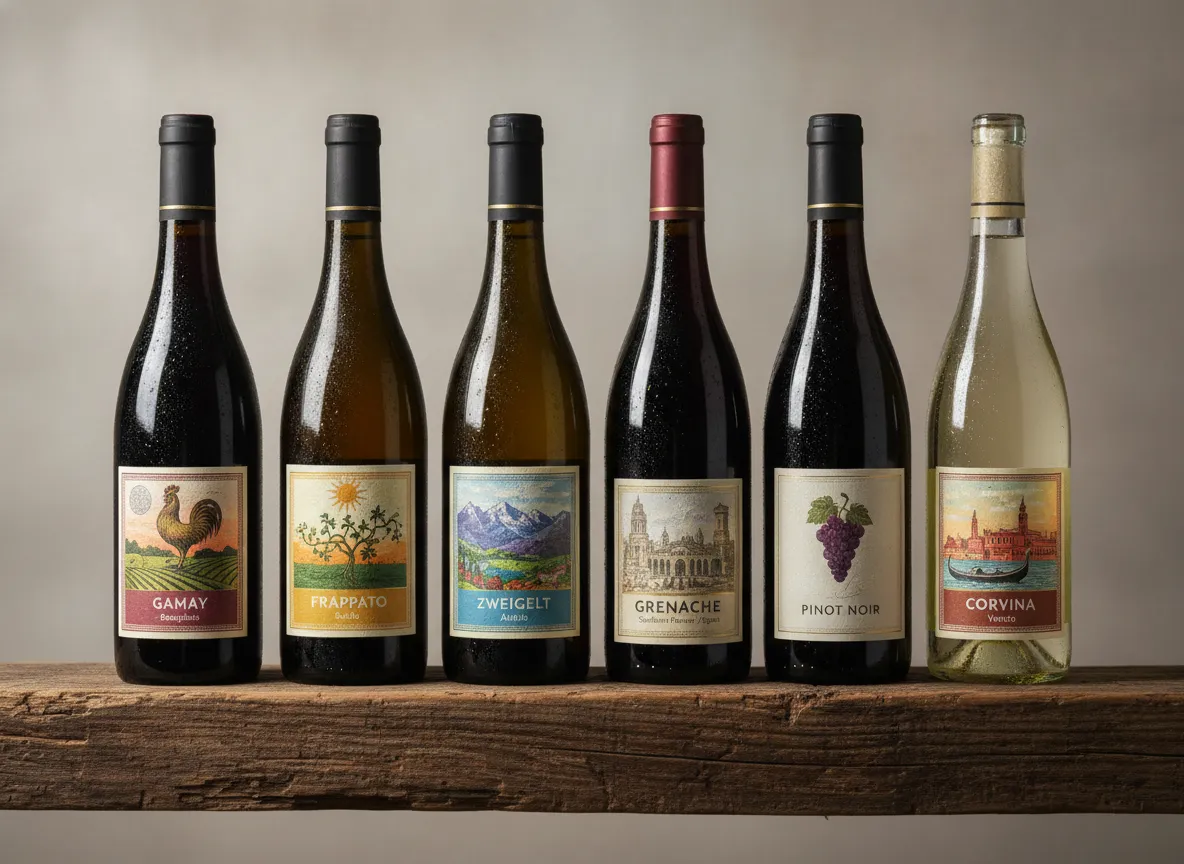
Not every red wine can be chilled successfully. The Red Wine Supernova trend is built on a specific set of grape varietals that have the structural qualities — high acidity, low tannins, bright fruit — to thrive at cooler serving temperatures.
The leading varietals include:
- Gamay from Beaujolais, France
- Frappato from Sicily, Italy
- Zweigelt from Austria
- Pinot Noir from various regions
- Grenache from Southern France and Spain
- Corvina from the Veneto, Italy
These grapes share a common profile: they produce wines that are fruity, aromatic, and refreshing when slightly chilled [2]. Gamay, in particular, has become something of a poster child for the movement. Its naturally high acidity and low tannin structure make it almost purpose-built for chilling, and Beaujolais producers have been quick to capitalize on this positioning.
| Varietal | Region | Key Quality | Ideal Temp |
|---|---|---|---|
| Gamay | Beaujolais, France | High acidity, low tannins | 55-58°F |
| Frappato | Sicily, Italy | Light body, floral aromatics | 56-60°F |
| Zweigelt | Austria | Bright cherry fruit, crisp finish | 55-58°F |
| Grenache | France, Spain | Juicy red fruit, versatile | 58-60°F |
| Pinot Noir | Global | Elegant, earthy, refreshing | 58-62°F |
| Corvina | Veneto, Italy | Tart cherry, lively acidity | 56-60°F |
3. UK Supermarket Sales Data Confirms This Is a Mainstream Shift
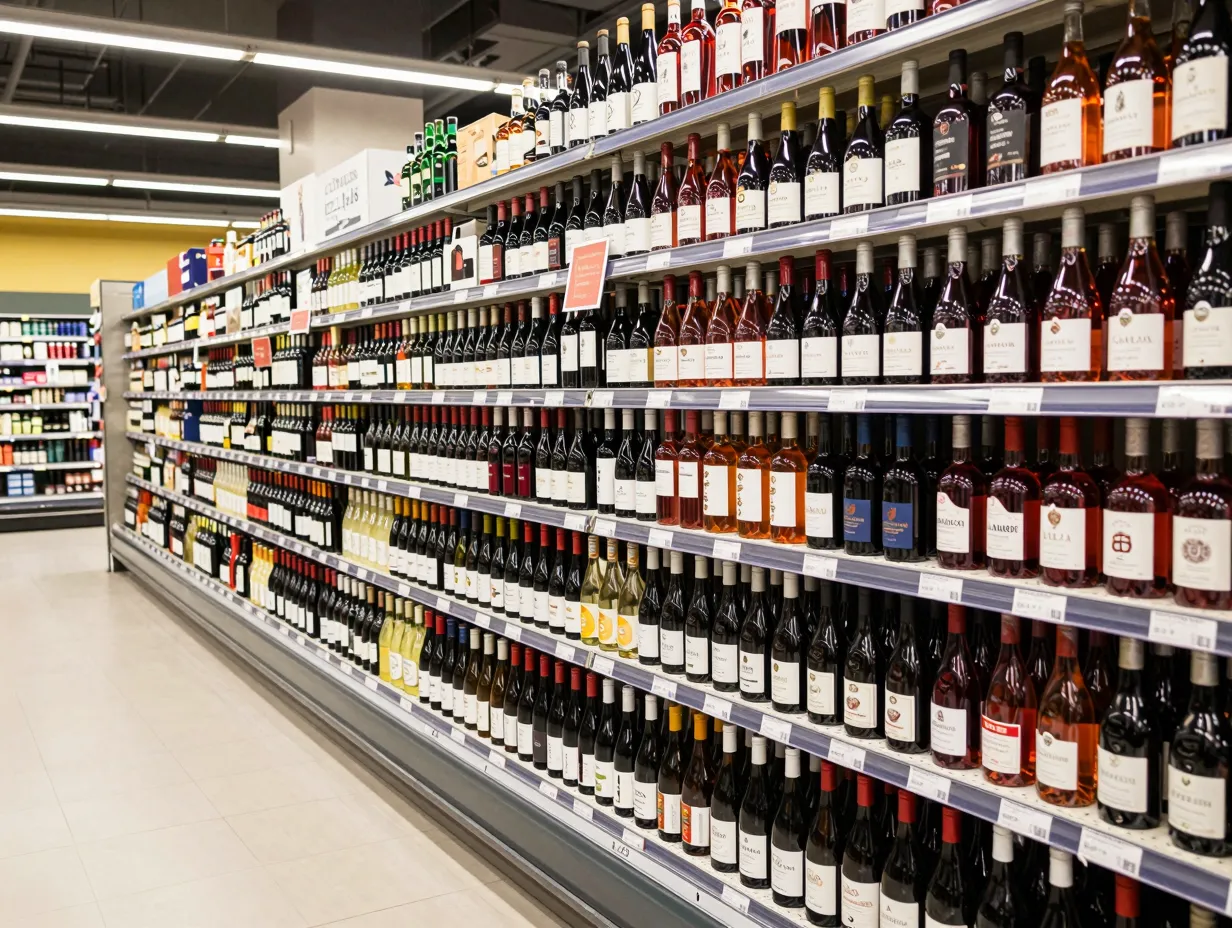
One of the clearest signals that the Red Wine Supernova trend has crossed from niche to mainstream comes from retail data. Major UK supermarkets have reported a significant and measurable uptick in sales of chillable red wines [2]. This is not anecdotal enthusiasm from sommeliers and wine writers — it is showing up in actual purchase behavior at scale.
Consumers are gravitating toward fruity wines with enhanced acidity and aromatics, specifically because these qualities become more pronounced and enjoyable when the wine is served chilled. The supermarket channel is particularly telling because it reflects the preferences of everyday drinkers, not just enthusiasts.
What this means for the market:
- Retailers are dedicating more shelf space to light-bodied reds
- Chillable red wines are being merchandised alongside whites and rosés in refrigerated sections
- Promotional campaigns are explicitly positioning these wines as summer-appropriate
This retail-level validation is one of the most concrete pieces of evidence that the Red Wine Supernova trend is not a bubble — it is a durable behavioral change.
4. The Natural Wine Movement Is the Trend’s Hidden Engine
The Red Wine Supernova did not emerge in a vacuum. One of its most important — and least discussed — drivers is the natural wine movement, which has been building momentum for over a decade.
Natural red wines are typically made with minimal intervention: no added sulfites, no commercial yeasts, no fining or filtration. The result is often a lighter-bodied wine with higher natural acidity and a more delicate tannin structure [4]. These characteristics happen to align perfectly with what makes a red wine suitable for chilling.
As natural wine bars and bottle shops proliferated in major cities, a generation of younger drinkers developed a palate for lighter, fresher red wines. They learned to chill their Gamay and Frappato not because a wine magazine told them to, but because it tasted better that way. The natural wine community essentially served as an incubator for the chillable red concept before it went mainstream.
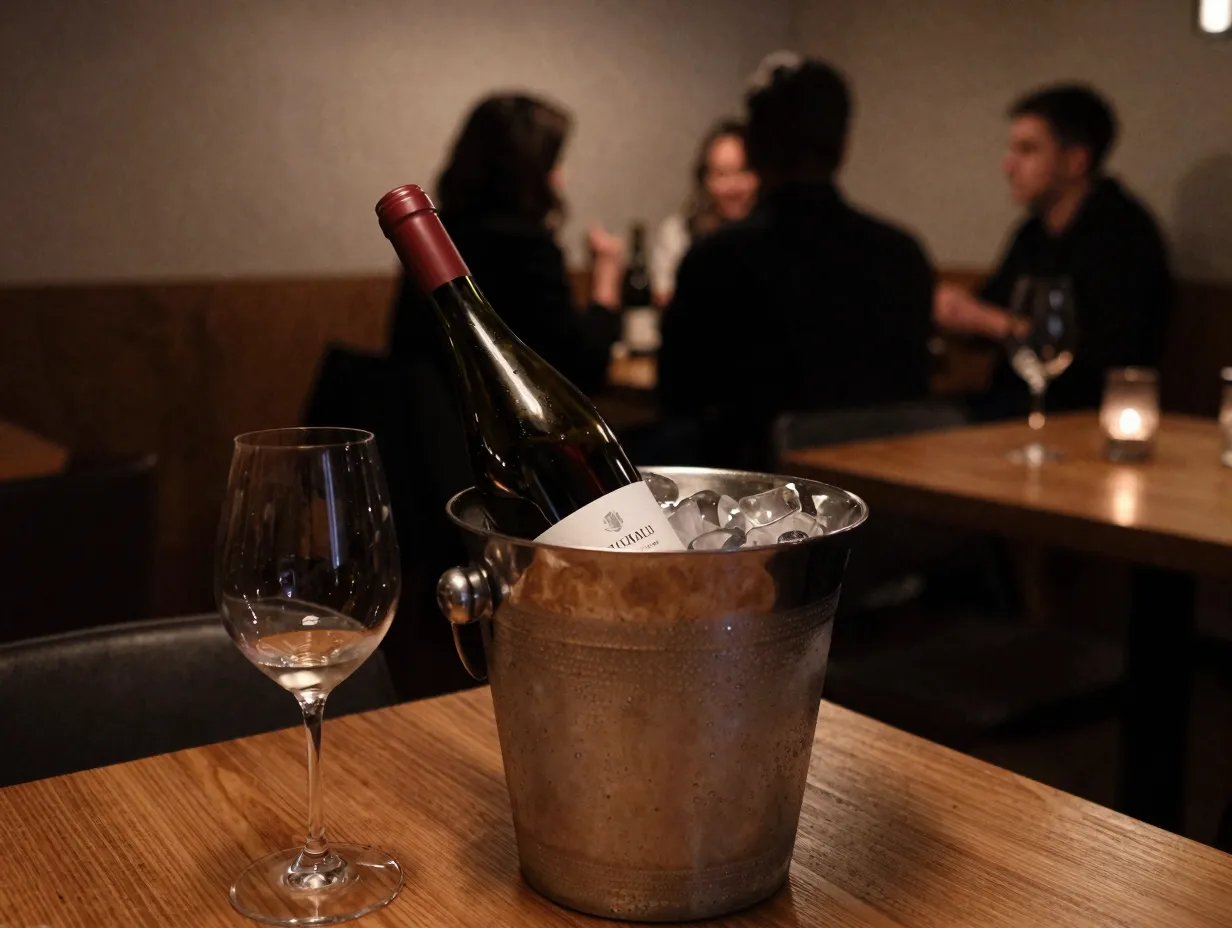
I remember the first time I ordered a chilled Gamay at a natural wine bar in London. The server placed it in a small ice bucket — the kind you would normally see reserved for white wine — and I was genuinely skeptical. The first sip changed my perspective entirely. It was bright, refreshing, and complex in a way that room-temperature Gamay had never quite achieved for me.
5. Global Wine Consumption Is Falling — But Chillable Reds Are Bucking the Trend
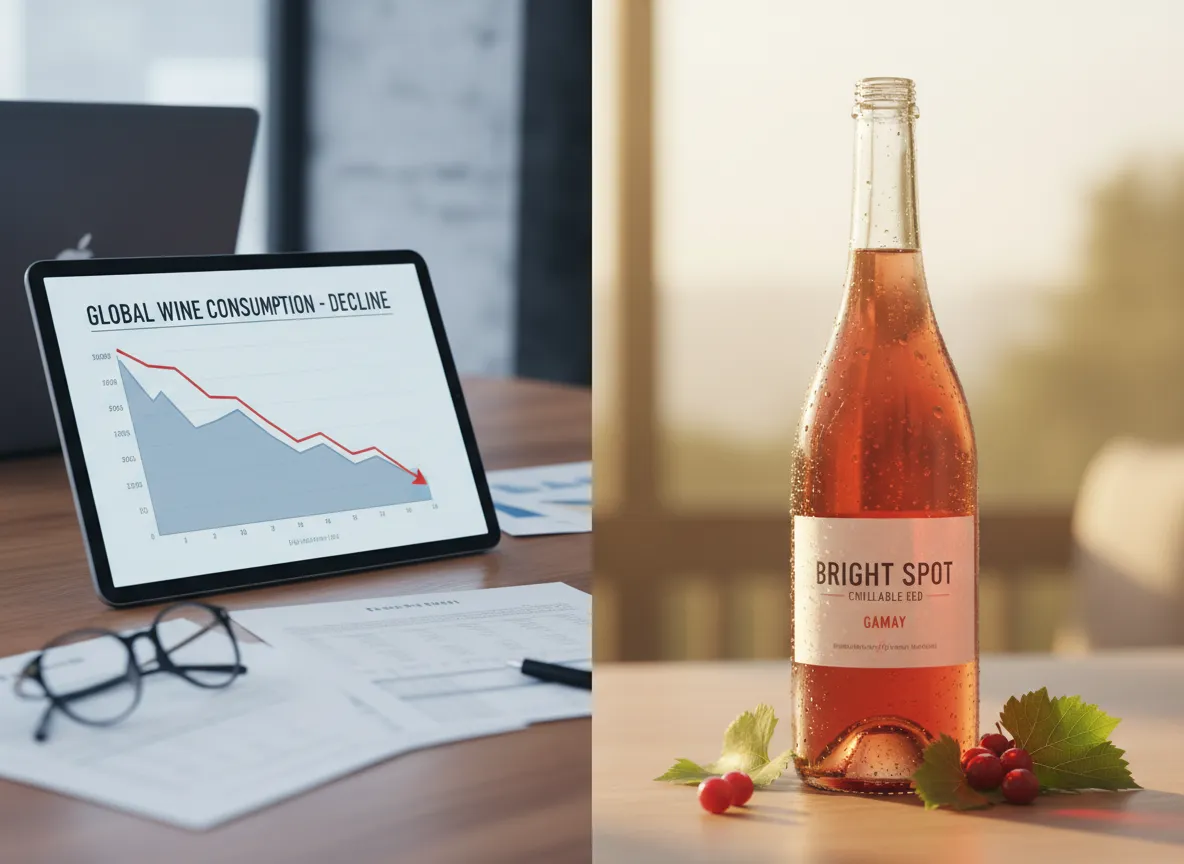
Here is one of the most striking contrasts in the current wine landscape. Global wine consumption has declined sharply in recent years, falling by 3.5 billion liters since 2019, with projections suggesting a further drop of 1.5 billion liters by 2029 [3]. The overall market is contracting.
Yet within that shrinking market, chillable reds are growing. This makes the Red Wine Supernova trend not just a cultural curiosity but a genuine commercial lifeline for producers willing to adapt.
The broader context:
- Younger consumers are drinking less alcohol overall
- Health consciousness is reducing frequency of wine consumption
- Competition from spirits, craft beer, and non-alcoholic beverages is intensifying
Against this backdrop, the chillable red category stands out as one of the few bright spots in the red wine segment. Its growth is partly driven by the fact that it appeals to exactly the consumers who are most likely to be reducing their overall alcohol intake — those who want quality over quantity, and who prioritize refreshment and versatility over tradition.
6. Food Pairing Possibilities Have Expanded Dramatically
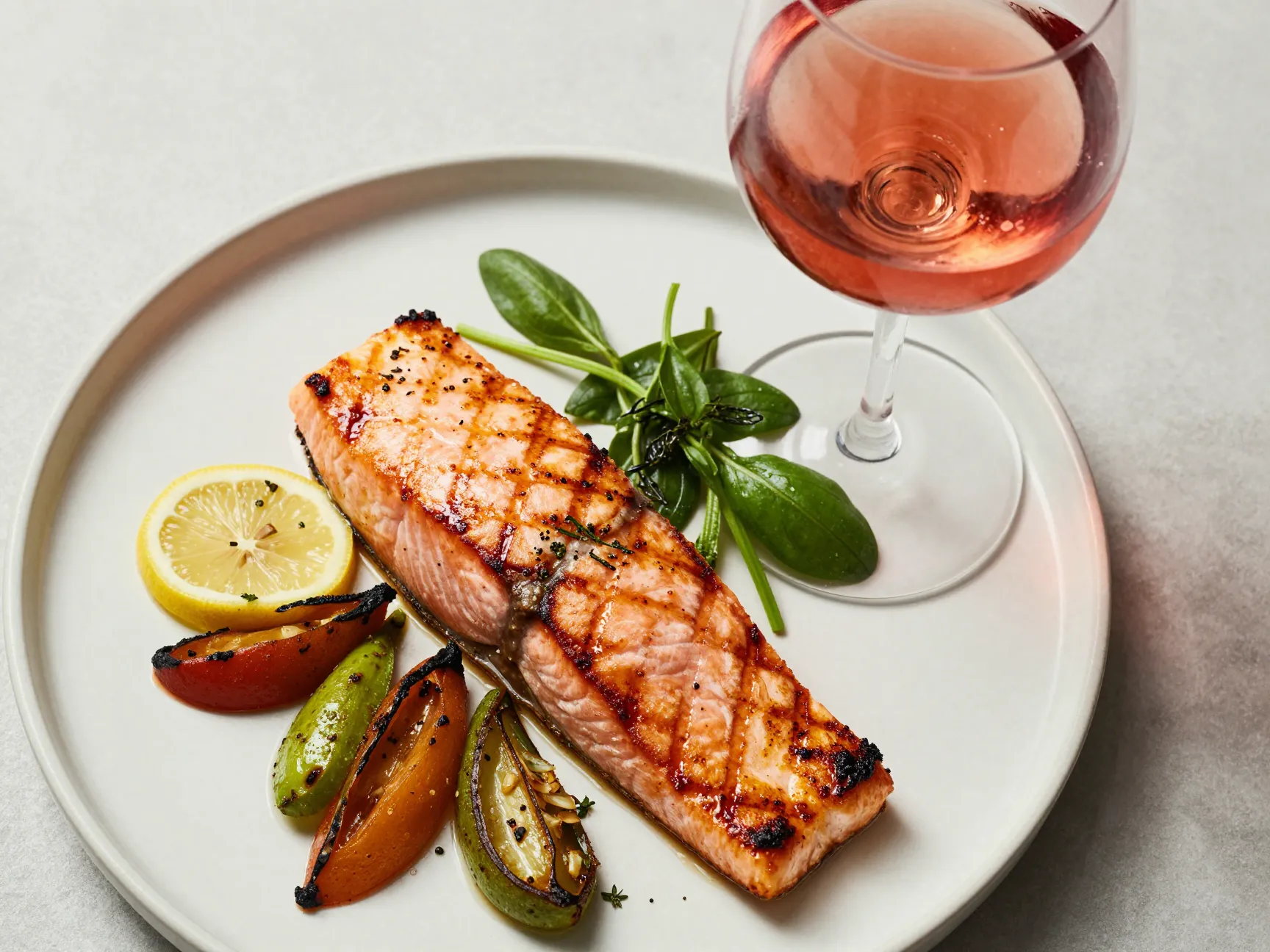
Traditional red wine pairing rules were built around the assumption that red wine would be served at room temperature. Chilling changes the flavor profile of a wine in ways that open up entirely new pairing possibilities — and this is one of the 8 surprising facts about the “Red Wine Supernova” trend every wine lover should know that has the most practical impact on everyday dining.
At cooler temperatures, tannins soften, acidity becomes more prominent, and fruit flavors brighten. This means chillable reds can complement dishes that would traditionally be considered white wine territory [1].
Expanded pairing options for chillable reds:
- Grilled fish and seafood (particularly oily fish like salmon and mackerel)
- Charcuterie and cured meats
- Fresh cheeses and light dairy dishes
- Vegetable-forward dishes and grain salads
- Lightly spiced Asian cuisine
- Summer appetizers and mezze platters
This expanded pairing range is genuinely revolutionary for red wine. It means a single bottle of chilled Frappato can move from aperitivo hour through a multi-course summer meal in a way that a traditional Cabernet Sauvignon simply cannot.
The versatility argument is also a powerful marketing tool. Wine producers and retailers are increasingly positioning chillable reds as the “all-occasion” wine — a category that does not require the consumer to plan around it.
7. Wine Producers Are Innovating Aggressively to Capture Younger Drinkers
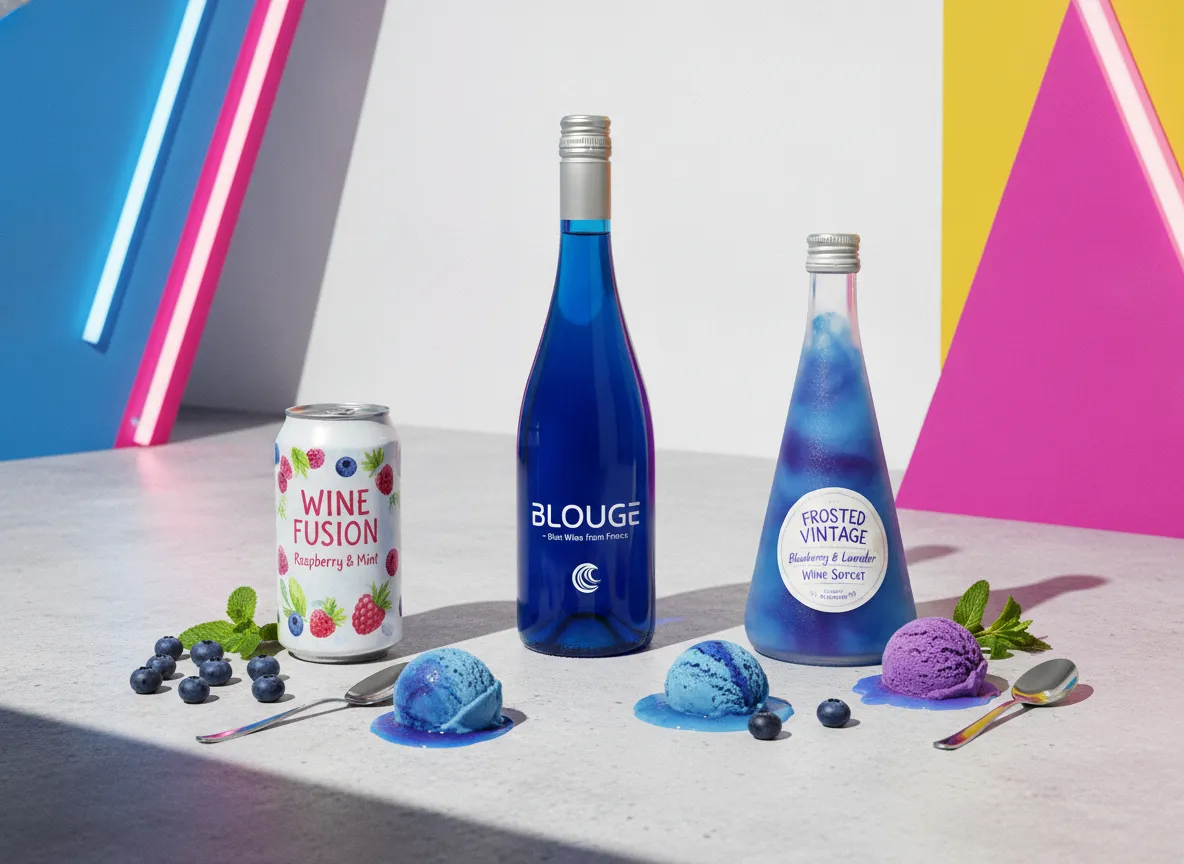
The Red Wine Supernova trend is part of a broader wave of innovation sweeping the wine industry in response to shifting demographics. Wine producers are acutely aware that younger consumers — particularly those in the 25 to 40 age bracket — engage with wine differently than previous generations [3].
These consumers show higher openness to new styles and formats, and they are less bound by tradition. They are also more likely to be introduced to wine through social media, wine bars, and food culture rather than through formal wine education.
In response, producers are introducing a range of unconventional products alongside chillable reds:
- Blue wine (sometimes called “blouge”) — a visually striking product designed to generate social media engagement
- Wine and cola ready-to-drink (RTD) beverages — combining familiarity with wine’s complexity
- Sorbet-flavored wines — targeting consumers who want dessert-adjacent experiences
- Canned and single-serve formats — reducing the commitment barrier for casual consumption
The key insight: chillable reds fit naturally into this innovation landscape because they offer a genuinely different experience without requiring consumers to abandon the wine category entirely. They are familiar enough to be approachable and different enough to feel fresh.
8. The Trend Is Redefining What “Proper” Wine Service Looks Like
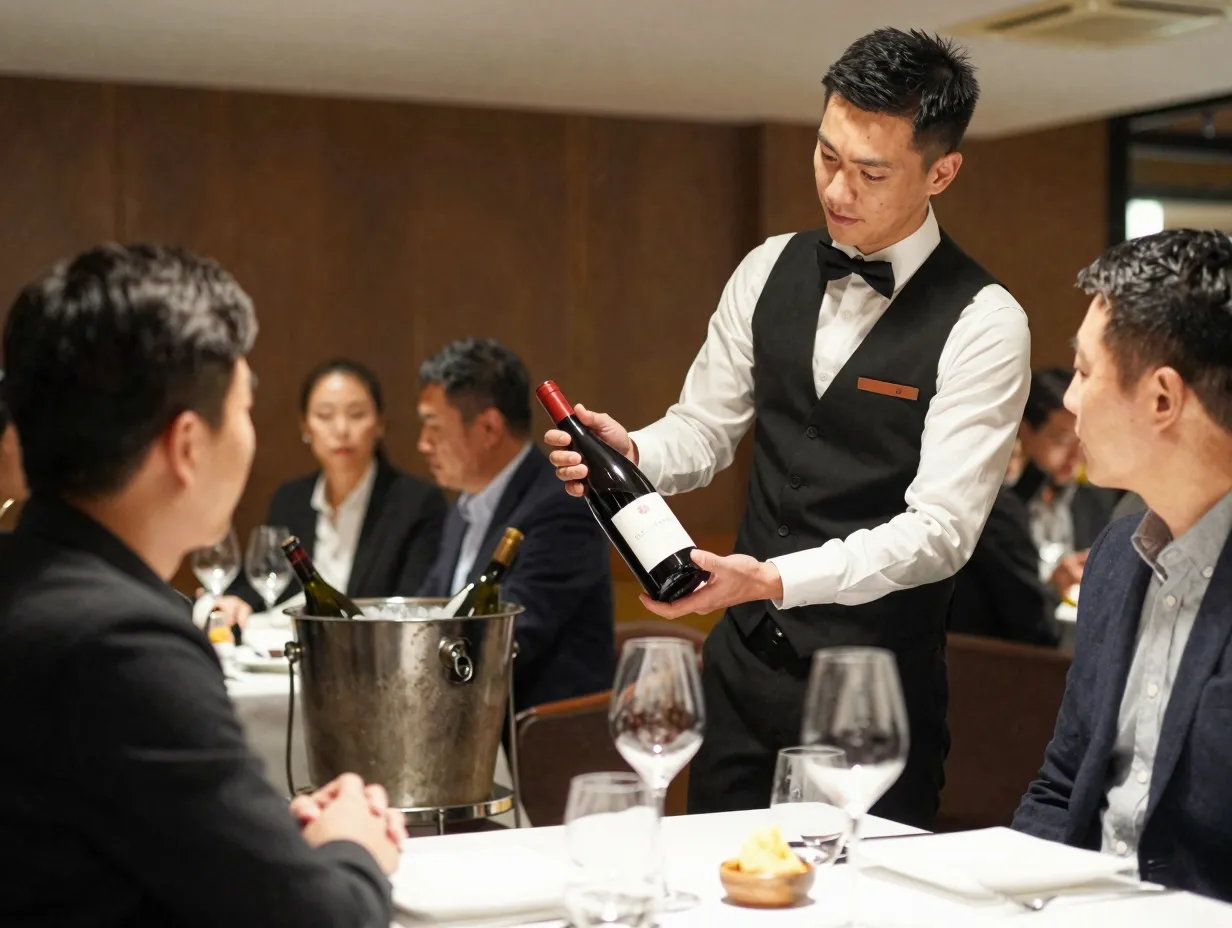
Perhaps the most culturally significant of the 8 surprising facts about the “Red Wine Supernova” trend every wine lover should know is this: it is actively challenging the authority of traditional wine service conventions.
For generations, wine service in restaurants and at home was governed by a set of rules that felt almost immutable. Red wine at room temperature. Decant before serving. Never chill a red. These conventions were treated as objective truths rather than preferences shaped by a particular era and a particular style of winemaking.
The chillable red movement is dismantling this authority — and doing so with the backing of data, retail performance, and consumer satisfaction. When major supermarkets dedicate refrigerated shelf space to red wine and consumers respond by buying more of it, the message is clear: the rules have changed [2].
What this means for wine culture:
- Sommeliers are increasingly recommending chilled service for light reds without apology
- Wine educators are updating their curricula to reflect the diversity of serving temperatures
- Home wine drinkers feel more empowered to experiment rather than defer to convention
- The concept of “correct” wine service is becoming more democratic and less prescriptive
This democratization of wine knowledge is arguably the most lasting legacy of the Red Wine Supernova trend. It signals a broader shift toward consumer-led wine culture, where personal preference and context matter more than inherited rules.
How to Get Started With Chillable Reds
If you are new to the chillable red concept, the entry point is simpler than you might expect. You do not need special equipment or an extensive wine education. You need a good bottle, a refrigerator, and about 20 to 30 minutes.
A practical starting guide:
- Choose a light-bodied red from the varietal list above. Gamay from Beaujolais is the most forgiving and widely available starting point.
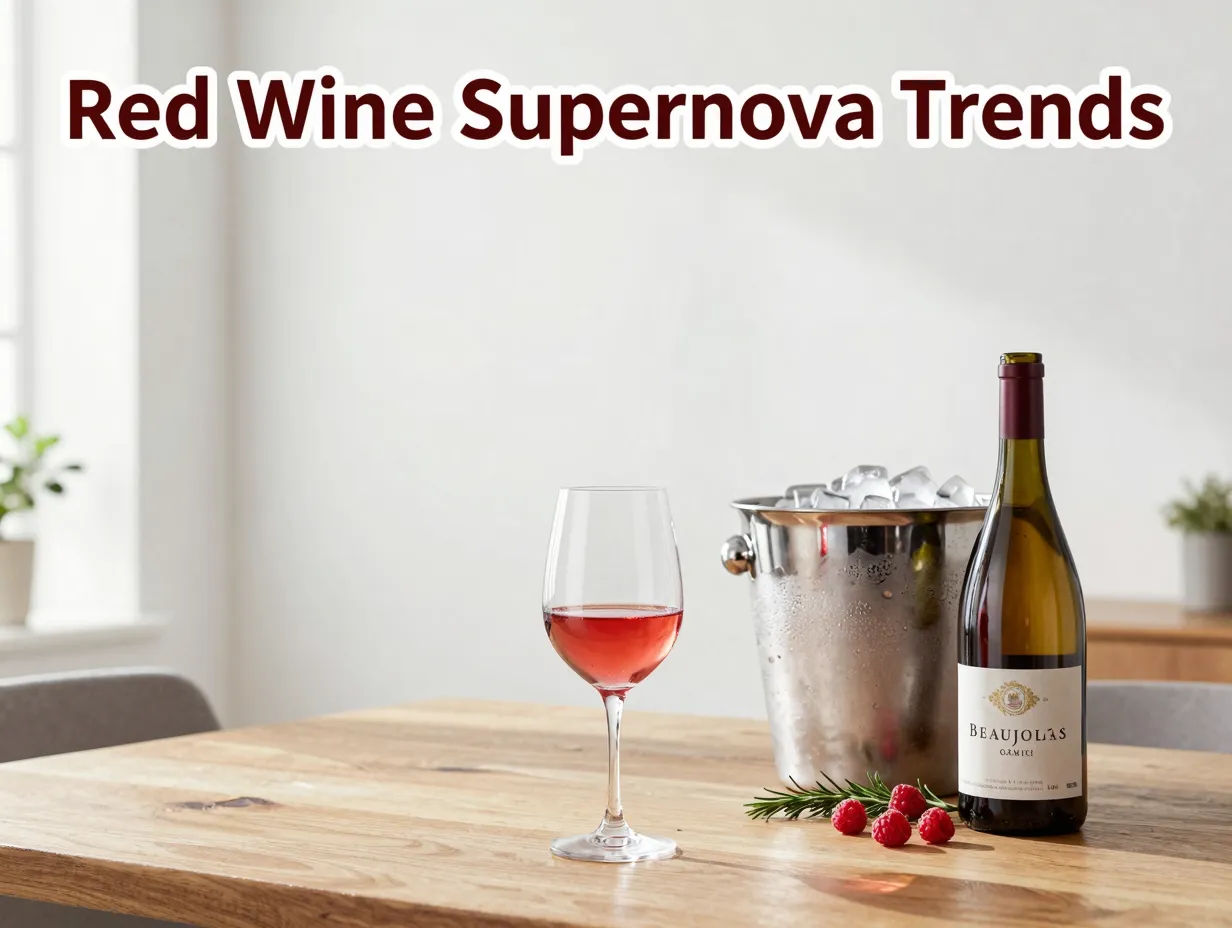
- Place the bottle in the refrigerator for 20 to 30 minutes before serving, or in an ice bucket for 10 to 15 minutes.
- Serve at 55 to 60 degrees Fahrenheit. If you do not have a wine thermometer, a bottle that feels cool but not cold to the touch is approximately right.
- Pair with lighter dishes — a charcuterie board, grilled salmon, or a fresh cheese plate.
- Taste the wine as it warms in the glass and notice how the flavor profile evolves. This is one of the most educational exercises a wine lover can do.
The goal is not to make red wine taste like white wine. It is to find the optimal serving temperature for a specific style of red wine — one that enhances its natural qualities rather than masking them.
Conclusion
The Red Wine Supernova trend is one of the most consequential shifts in wine culture in the past two decades. It is not simply about serving temperature. It is about a fundamental rethinking of what red wine can be, who it is for, and when it belongs on the table.
The 8 surprising facts about the “Red Wine Supernova” trend every wine lover should know — from the collapse of seasonal drinking patterns to the influence of the natural wine movement, from supermarket sales data to the democratization of wine service — paint a picture of an industry in genuine transformation.
Actionable next steps for wine lovers:
- Buy a bottle of Beaujolais Gamay or Sicilian Frappato this week and chill it before serving.
- Experiment with pairing chilled reds with dishes you would normally pair with white wine.
- Visit a natural wine bar and ask the staff for their chillable red recommendations — the conversations alone are worth the trip.
- Pay attention to how your palate responds to the same wine at different temperatures. Keep simple notes.
- Share what you discover. The Red Wine Supernova trend is growing partly because enthusiastic drinkers are spreading the word.
The supernova metaphor is apt. Something that was once compact and contained has suddenly expanded into something brilliant and impossible to ignore. The question is not whether this trend will affect your wine drinking — it already has. The question is whether you will engage with it intentionally or let it pass you by.
References
[1] Wine Trends 2026 What We Re Actually Seeing From The Buying Desk – https://www.bighammerwines.com/blogs/vine-blog/wine-trends-2026-what-we-re-actually-seeing-from-the-buying-desk?utm_source=openai
[2] Chillable Reds Get Cooler Than Ever Trends Shaking Up The Supermarkets – https://cluboenologique.com/story/chillable-reds-get-cooler-than-ever-trends-shaking-up-the-supermarkets/?utm_source=openai
[3] Blouge Cola Rtds Sorbet Flavours Bold Colours The Innovations Transforming Wine – https://drinksdigest.com/2026/04/29/blouge-cola-rtds-sorbet-flavours-bold-colours-the-innovations-transforming-wine/?utm_source=openai
[4] Chilled Red Wine Trend – https://www.vogue.com/article/chilled-red-wine-trend?utm_source=openai